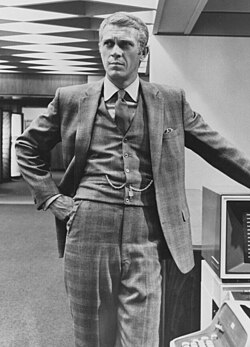
In the golden era of Hollywood, few stars commanded the silver screen with the effortless magnetism of Steve McQueen. Known universally as the King of Cool, he defined the rugged masculinity of the 1960s and 1970s. From the high-octane chases in Bullitt to the tense survival in The Great Escape, Steve McQueen was the personification of independence and grit. Yet, behind the public image of a cinematic titan who could dictate terms to the most powerful studio executives, there was a man whose motivations were rooted in a deeply personal history, far removed from the glitz of the Sunset Strip.
Throughout his peak years, Hollywood executives were often left baffled by the peculiar clauses found in his movie contracts. While other leading men demanded extravagant perks, private jets, or luxury suites, Steve McQueen famously insisted on provisions for bulk shipments of jeans, razors, and other practical commodities. At the time, industry insiders whispered that these demands were merely the eccentricities of a superstar reaching the height of his ego. It was dismissed as the caprice of a man who had become accustomed to getting exactly what he wanted on set, regardless of how unconventional the request might seem to the accountants in the front office.
However, the truth was far more profound and touching. These items were not for the star himself; they were destined for the Boys Republic in Chino, California. This reformatory school had been a turning point in the young life of Steve McQueen, providing the structure and discipline that transformed a troubled youth into a man of purpose. Years after he had found his footing in life, he never forgot the institution that had essentially saved him from a path of despair. By including these requirements in his contracts, he ensured a steady supply of essential goods reached the boys who were currently walking the same path he once traveled.
This act of quiet loyalty speaks volumes about the character of Steve McQueen. In an age where public image was everything, he performed his most meaningful acts away from the flashbulbs and the gossip columns. It reveals a man who, despite his immense fame, remained deeply grounded in his own narrative of redemption. For those of us who grew up watching him become the quintessential anti-hero, knowing this truth adds a layer of warmth and humanity to every performance he ever delivered. It reminds us that behind the tough exterior of our favorite film icons, there often lies a vulnerability and a sense of gratitude that is truly timeless.
As we look back at the cinematic landscape from the 1950s to the 1990s, the legend of Steve McQueen stands out not just for his acting prowess, but for the integrity he maintained. His story remains a poignant chapter in the history of Hollywood, serving as a testament to the power of remembering where one came from. Even decades later, the King of Cool teaches us that true strength is measured not by the fame one achieves, but by the lives one chooses to help along the way.