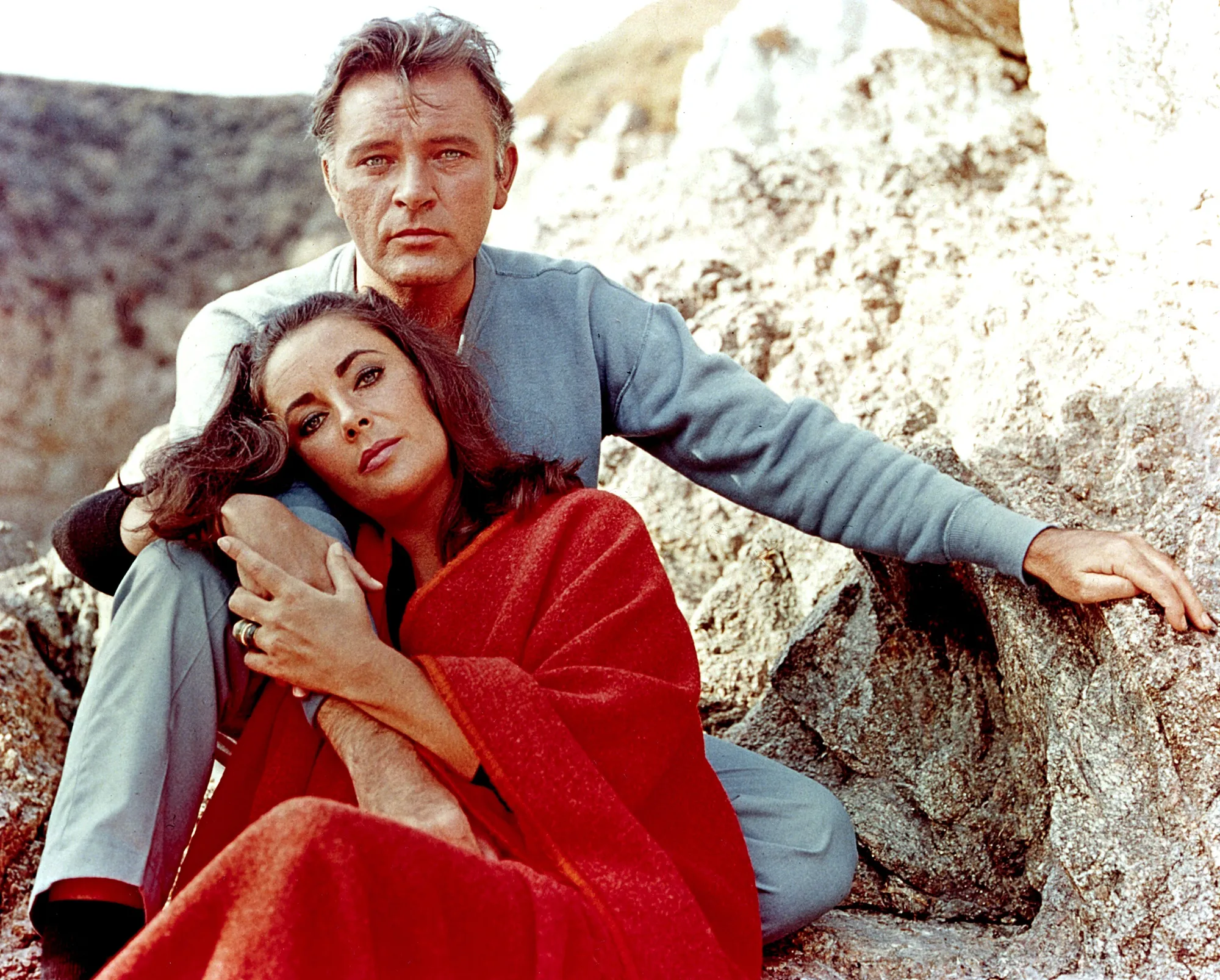
In the golden age of cinema, certain names did not just appear on a marquee; they commanded the very air around them. Few pairs defined the allure, the turbulence, and the unparalleled glamour of mid-century Hollywood quite like Elizabeth Taylor and Richard Burton. To look back at the year 1963 is to remember a time when movie stars felt like royalty, and their private lives were the grandest theater of all. Their union was not merely a marriage of two incredible talents; it was a tempestuous romance that played out before the eyes of a captivated world, forever etching their names into the cultural consciousness of those who lived through the era.
The genesis of their bond on the set of Cleopatra remains one of the most storied chapters in film history. As they breathed life into their characters, the line between performance and reality began to blur, creating an intensity that transcended the script. Elizabeth Taylor, with her violet eyes and commanding screen presence, met her match in the deep, resonant baritone of Richard Burton. Together, they were an unstoppable force, representing a brand of stardom that felt both dangerously human and impossibly elevated. They lived their love story with a raw, unfiltered passion that made the headlines of the time feel like scenes from a classic tragedy.
Looking back from the vantage point of 2026, it is easy to see why the story of Elizabeth Taylor and Richard Burton continues to resonate with generations who cherish the history of film. Theirs was a love characterized by extremes—immense wealth, public scrutiny, and a profound, undeniable magnetic pull. For those of us who grew up watching them evolve on screen throughout the 1960s and 70s, they represent a bygone era of movie magic where the stars were truly unreachable, yet deeply relatable in their search for connection. They did not just act; they inhabited the screen with a gravity that modern performances often struggle to replicate.
Beyond the tabloid intrigue, we must remember the sheer artistry they brought to the silver screen. Elizabeth Taylor possessed a vulnerability that made her human, while Richard Burton held a Shakespearean gravitas that grounded their most dramatic moments. Their films became a chronicle of their own evolving dynamic, shifting from the grandiosity of the epic era to the grittier, more psychological storytelling that defined the later decades of the twentieth century. They were the heartbeat of an industry in transition, reflecting the changing tides of a culture shifting from classic Hollywood polish to the raw realism that followed.
As we revisit these memories, it is not just the films we miss, but the feeling of being mesmerized by figures who lived life at full volume. The legacy of Elizabeth Taylor and Richard Burton is a reminder of a time when the world stood still for a romance. Even decades later, their story invites us to look back with warmth, appreciating the indelible mark they left on our collective memory. Do you remember the first time you saw them together on screen?