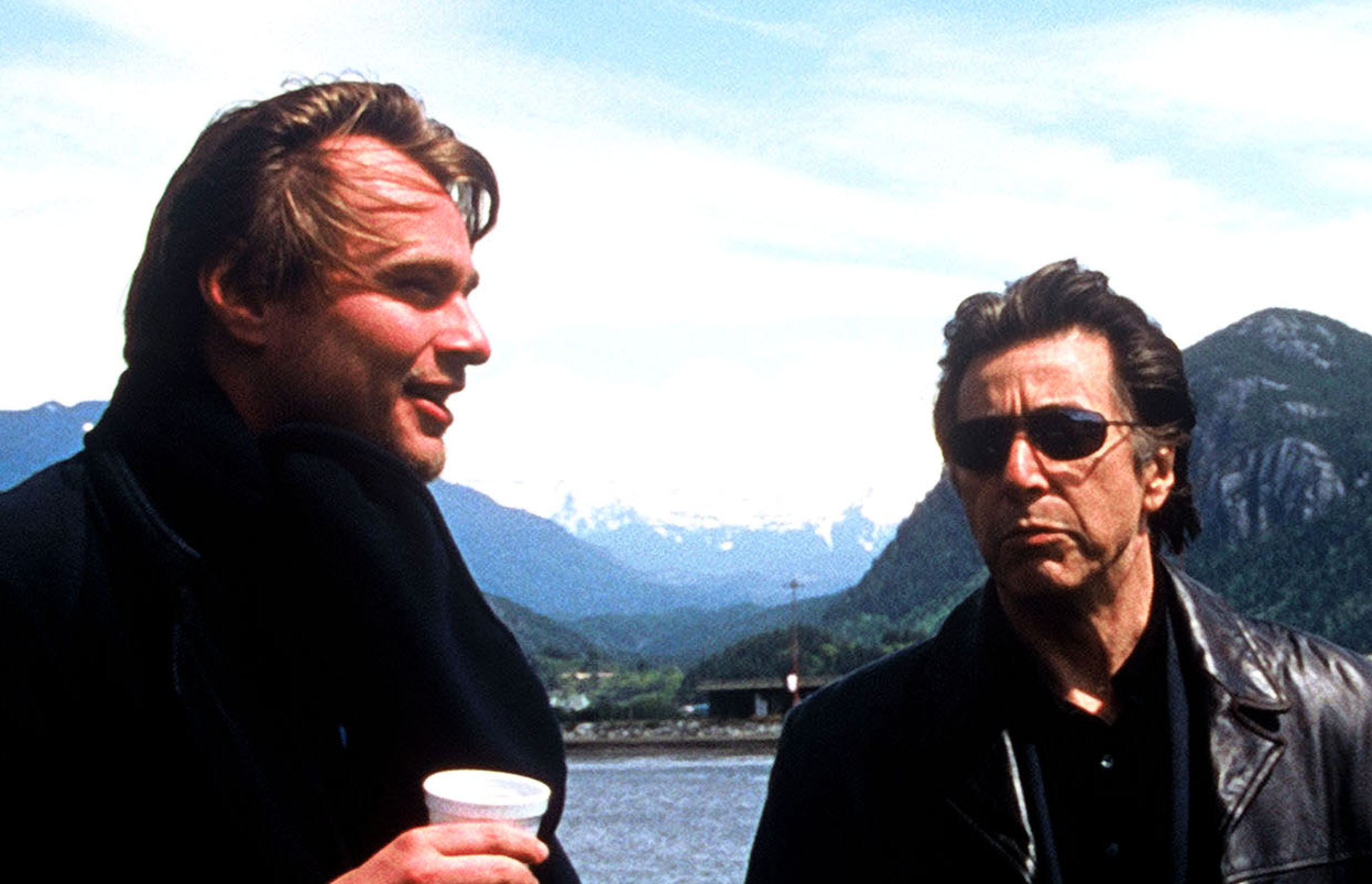
There is a distinct magic in the way cinema bridges the gap between generations. For those of us who grew up watching the intense, raw performances of the nineteen-seventies, the evolution of film has been a lifelong companion. While we have witnessed countless trends come and go, few moments feel as significant as when the gritty, legendary style of Al Pacino collided with the precise, intellectual vision of Christopher Nolan in the 2002 thriller, Insomnia. At the time, audiences walked into theaters expecting a standard police procedural, but they left having witnessed a masterclass in psychological tension that redefined the genre for a new century.
To understand the gravity of this collaboration, one must appreciate the artistic lineage involved. Al Pacino is a titan of the Method Acting era, a man who defined the brooding, complex anti-hero during Hollywood’s most rebellious years. When he stepped into the role of Detective Will Dormer, he brought with him decades of experience—the intensity of Serpico and the gravitas of The Godfather. Watching him navigate the perpetual, sleep-deprived daylight of an Alaskan summer was not just a performance; it was a bridge between the classic acting traditions of the past and the meticulous, high-concept storytelling that would define the modern era of Hollywood.
Christopher Nolan, still early in his ascent to becoming one of the most respected directors of our time, proved he understood the power of a legend. He did not ask Al Pacino to change his style; rather, he created a landscape where that style could thrive in a new, uncomfortable context. The film captured a rare energy—the fatigue of a man pushed to his breaking point. There is a haunting quality to the way the film plays with light and shadow, mirroring the internal decline of its protagonist. It was a beautiful reminder that even in a world obsessed with fast-paced action, the quiet, internal decay of a character remains the most compelling spectacle.
Reflecting on this film today, in 2026, it serves as a testament to the longevity of true talent. The dynamic between Al Pacino and his surroundings felt like a nod to the noir classics of the fifties and sixties, yet it carried a cold, calculated modernity that felt entirely fresh. For fans of the golden age of acting, it was comforting to see a familiar face masterfully handling the shifts in filmmaking technology and pacing. It proved that great actors do not fade away; they simply find new ways to mirror the complexities of the human condition.
As we look back at the cinematic landscape from the mid-century to the turn of the millennium, stories like this highlight why we fell in love with film in the first place. It was never just about the plot; it was about the presence of the stars and the atmosphere created by the lens. Al Pacino remains a cultural touchstone, and his partnership with Christopher Nolan stands as a perfect midpoint in our cinematic history. We invite you to revisit this classic, not just for the thrill, but to appreciate the enduring craft of a legend at work.