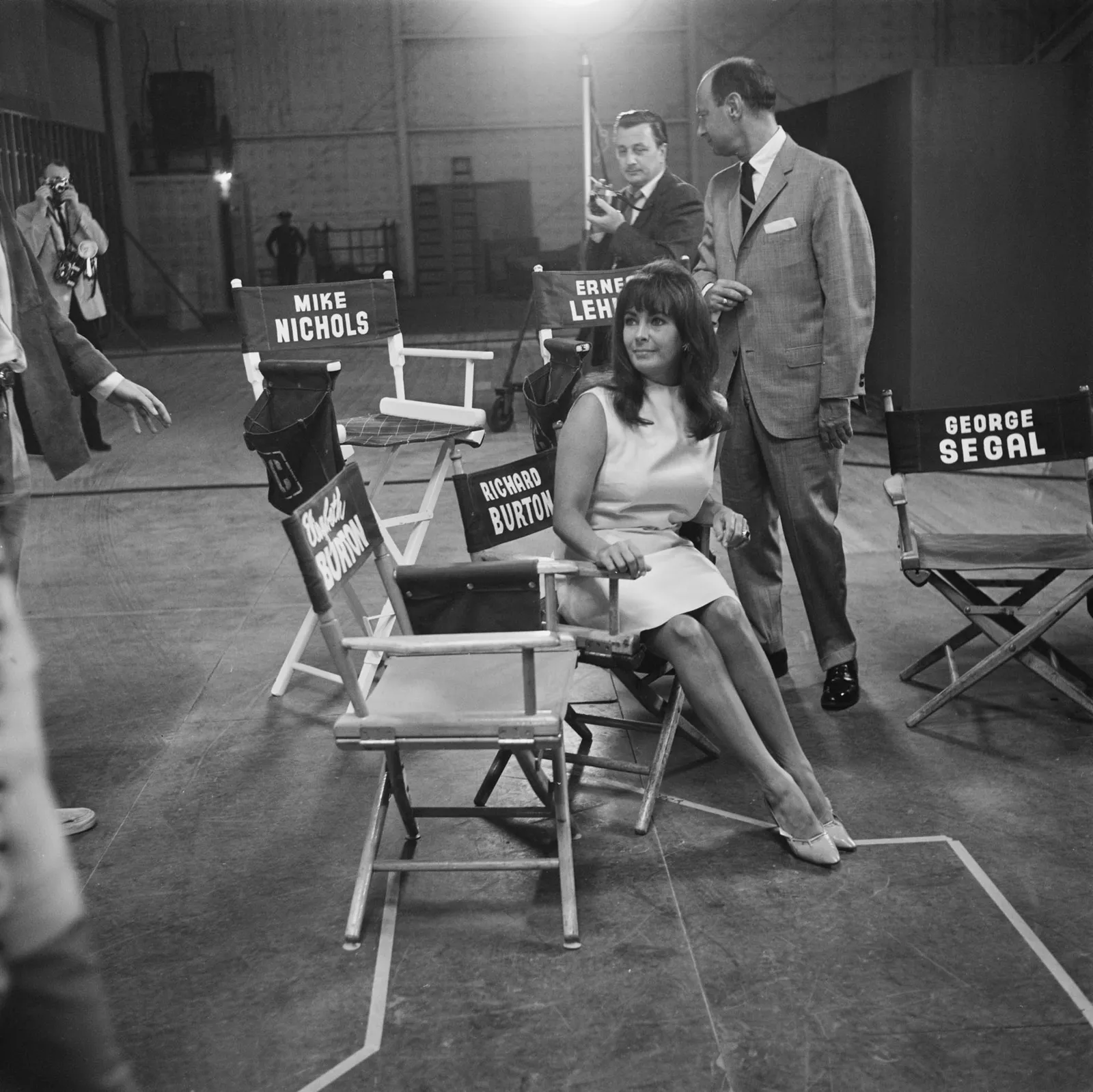
In the golden archives of cinema history, few moments are as transformative as the release of Who’s Afraid of Virginia Woolf? in 1966. For those of us who grew up during the era of VHS tapes and weekend trips to the local video rental store, the name Elizabeth Taylor remains synonymous with the very essence of the silver screen. Yet, it was her fearless collaboration with the visionary director Mike Nichols that truly shattered the rigid constraints of the time. Together, they dared to challenge the outdated Hollywood censors, forever altering the trajectory of American filmmaking by bringing raw, unfiltered human vulnerability to the public eye.
At the height of the studio system, films were often sanitized and polished to perfection. When Mike Nichols took the helm of this Edward Albee play, he saw an opportunity to strip away the artifice. He needed a force of nature to embody the character of Martha, and Elizabeth Taylor was the only choice. She famously transformed herself, gaining weight and wearing heavy makeup to shed the glamour that had defined her previous roles. This was the pinnacle of Method Acting, where the boundary between the actress and the persona dissolved entirely. The tension on set was palpable, reflecting the complex, often volatile chemistry between Elizabeth Taylor and Richard Burton, which Nichols masterfully captured.
The production was a direct affront to the Hays Code, which had long governed what could be whispered, shouted, or shown in a darkened theater. By refusing to soften the language or the jagged edges of the domestic strife portrayed on screen, Mike Nichols paved the way for the New Hollywood era. When audiences walked out of the theaters that year, they were irrevocably changed; they had witnessed a level of honesty that had been previously unthinkable. It was not just a movie; it was a cultural shift that demanded the audience take cinema seriously as a medium for profound psychological exploration.
Decades later, the legacy of this masterpiece remains etched in the collective memory of every movie lover. We remember the intensity of the performances, the haunting black-and-white cinematography, and the sheer audacity of the vision. For generations who cherish the history of the Oscars and the golden nights of Hollywood, the partnership between Elizabeth Taylor and Mike Nichols serves as a reminder of what happens when talent meets courage. Their collaboration proved that art thrives when it is not afraid to break the rules set by society.
As we look back at our collection of worn VHS tapes and classic film reels, it is easy to see why this story still resonates. It reminds us of a time when stars were legends and directors were daring pioneers. We invite you to revisit this classic tonight. Let yourself be transported back to a pivotal moment in film history, and rediscover the magic that happens when true legends push the boundaries of the art form they so deeply loved.