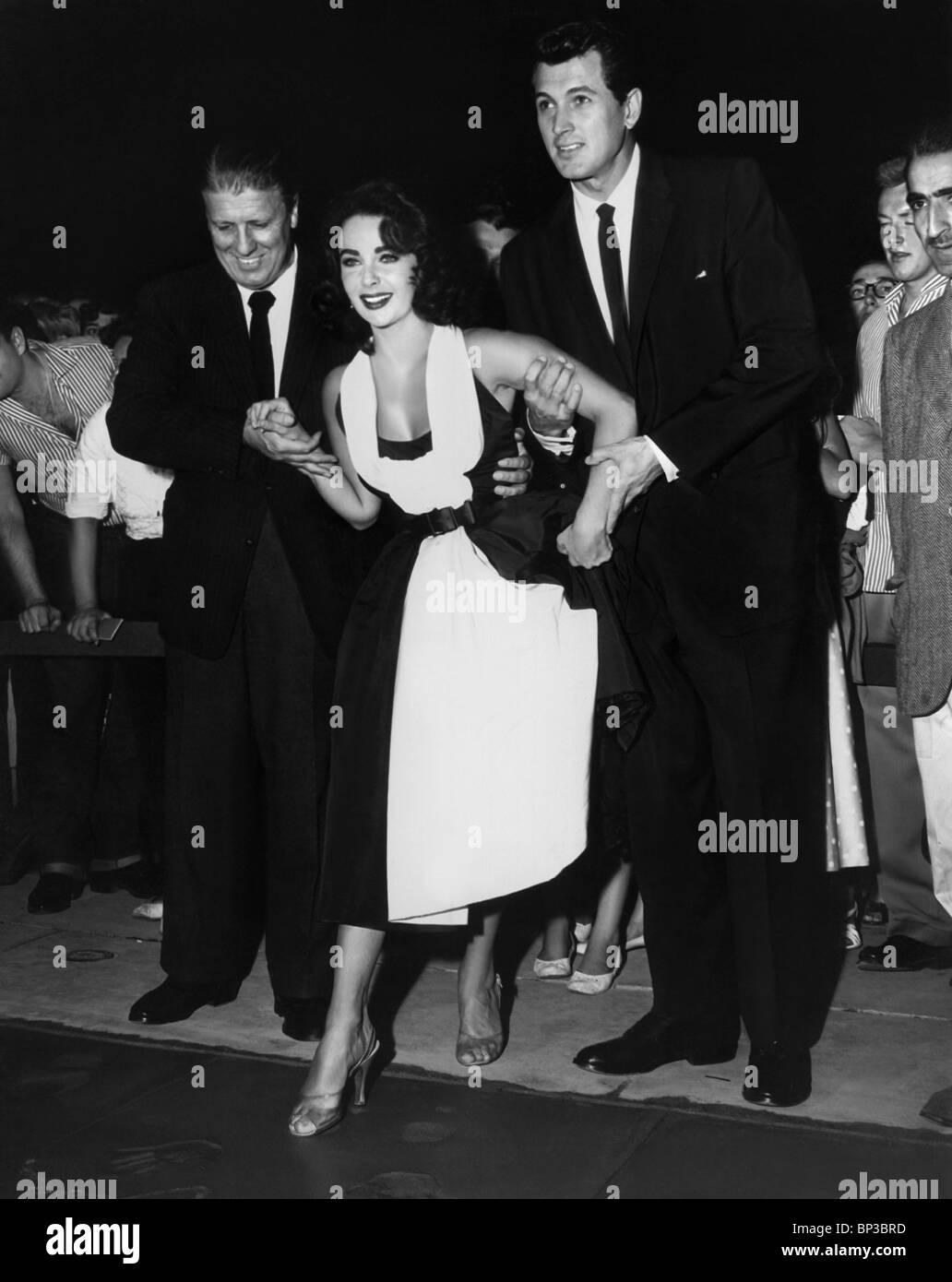
In the shimmering landscape of 1950s Hollywood, the image of Elizabeth Taylor was often distilled into a singular, breathtaking observation: she was the most beautiful woman on the silver screen. Audiences flocked to theaters simply to behold the violet-eyed starlet, expecting the polished glamour that defined the era. However, the year 1951 brought a seismic shift with the release of A Place in the Sun, a film that dared to peel back the layers of artifice. Behind the camera stood director George Stevens, a man who saw past the public persona of Elizabeth Taylor to uncover a reservoir of raw, untapped emotional intensity that would redefine the standards of Golden Age acting forever.
George Stevens was not interested in mere aesthetic perfection. He was a master of the craft who demanded more from his leading lady, pushing Elizabeth Taylor into the depths of a character that required vulnerability, obsession, and eventually, profound heartbreak. During the rigorous production, Stevens famously insisted on authentic emotional stakes, steering his young star away from the practiced poses of the studio system. He recognized that Elizabeth Taylor possessed a rare intuitive gift, and he nurtured it with a patience that was remarkably rare in an industry driven by rapid-fire output. This collaboration became a crucible of talent, proving that she was a formidable actress capable of carrying the heavy weight of dramatic storytelling.
The resulting performance was nothing short of a revelation for critics and audiences alike. As she inhabited the screen, the static beauty that once defined her dissolved into a complex portrait of human longing. This was a moment that transcended the standard Hollywood formula, marking a departure from the superficial stardom of the past and paving the way for the internal, grounded realism that would later be championed by the Method Acting movement. Elizabeth Taylor delivered a performance that vibrated with genuine pain, earning her the respect of her peers and securing her legacy as a titan of the craft.
Looking back at that era through the lens of our cherished VHS collections, the impact of A Place in the Sun remains undiminished. The film stands as a testament to the transformative power of a director who truly understands his muse. It is a story of how a young woman, often underestimated by a superficial industry, rose to meet the challenge of a lifetime. The synergy between Elizabeth Taylor and George Stevens serves as a reminder that the most enduring art is born when a creator stops looking at the surface and starts exploring the soul.
Today, the memory of that 1951 masterpiece continues to resonate with those who hold the history of cinema dear. It reminds us of a time when the silver screen was a place of transformation, where stars were sculpted by masters and performances were measured by their ability to move the human heart. As we revisit these classics, we do more than just watch a film; we celebrate the moment Elizabeth Taylor truly arrived as an artist. Her legacy remains forever etched in the annals of Hollywood, reminding us that true beauty lies in the courage to be vulnerable before the lens.