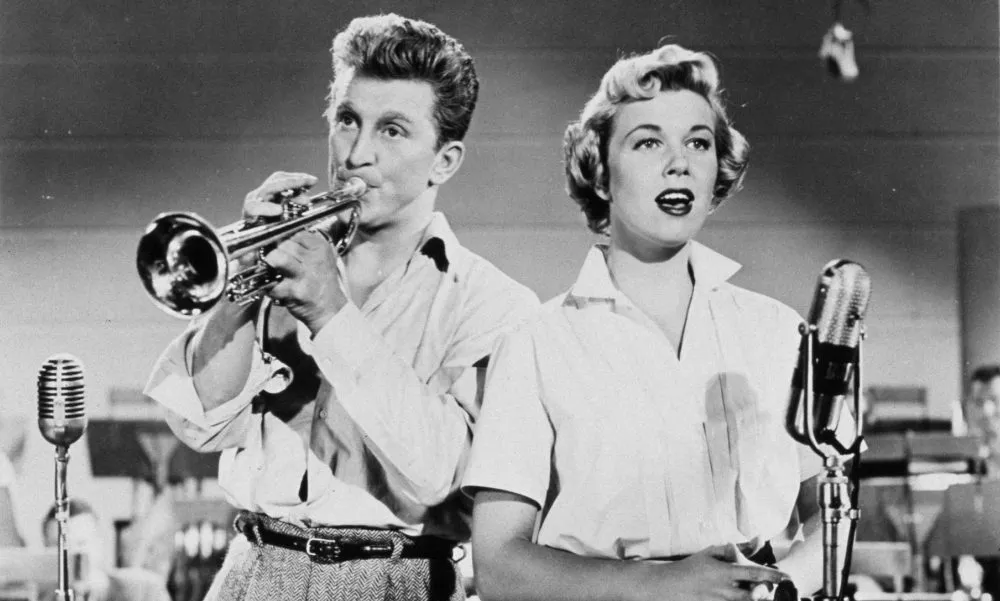
In 1967, the cultural landscape of America was shifting beneath our feet. While the youth were discovering the rebellious sounds of Psychedelic Rock and the counterculture was reaching its peak at Woodstock, Hollywood was desperately trying to keep up. Among the brightest stars in the firmament stood Doris Day, the ultimate darling of the silver screen. With her infectious smile and wholesome image, she was the epitome of the 1950s American dream. Yet, in the midst of this decade of change, she was offered a role that could have reinvented her entire career. The role was Mrs. Robinson in The Graduate. To the shock of the industry, she didn’t just hesitate; she walked away from what would become a cornerstone of cinema history.
Doris Day was far more than just the girl next door seen in those flickering Jukebox-era movies. She was a powerhouse of talent, a woman whose voice could swing through the Big Band era and land perfectly in the pop charts. However, by 1967, the shift toward a more cynical and gritty cinematic tone left Doris Day feeling alienated. When she read the script for The Graduate, she was appalled by what she considered the sexual immorality of the character and the film’s narrative. To her, the story wasn’t just a daring artistic choice; it was deeply offensive to the values she held dear. She famously turned it down, choosing her peace of mind over a shot at a legendary performance.
Looking back, it is fascinating to analyze why this decision remains so poignant. During an era where the television was becoming the new hearth of the home and MTV was a distant dream on the horizon, stars like Doris Day were the last bastions of a fading tradition. While her peers were beginning to embrace the darker, more drug-fueled chaos of the late sixties, she remained rooted in a different time. Her rejection of the role was a final, firm assertion of her identity in an industry that was rapidly becoming unrecognizable to the icons of her generation.
Think about the weight of that choice. Every time we hear the iconic soundtrack of The Graduate today, we are reminded of a turning point in American pop culture. Would the film have carried the same rebellious, haunting energy if Doris Day had stepped into those shoes? Probably not. By walking away, she inadvertently preserved her legacy as the ultimate symbol of a bygone, more innocent era. She chose to exit the stage of the modern revolution rather than betray her personal ethics, a move that only deepened the mysterious, steel-willed aura that lay beneath her bubbly exterior.
Today, we often look back at the lives of these legends with a mix of awe and melancholy. The era of the golden screen, the Walkman, and the quiet dignity of stars like Doris Day feels a world away from the noise of our digital age. Her story is a reminder that even when the tides of history demand that you evolve, there is a certain, quiet power in staying true to who you are. Doris Day may have missed out on one of the greatest roles in history, but she ensured that her own story remained exactly as she wanted it to be.