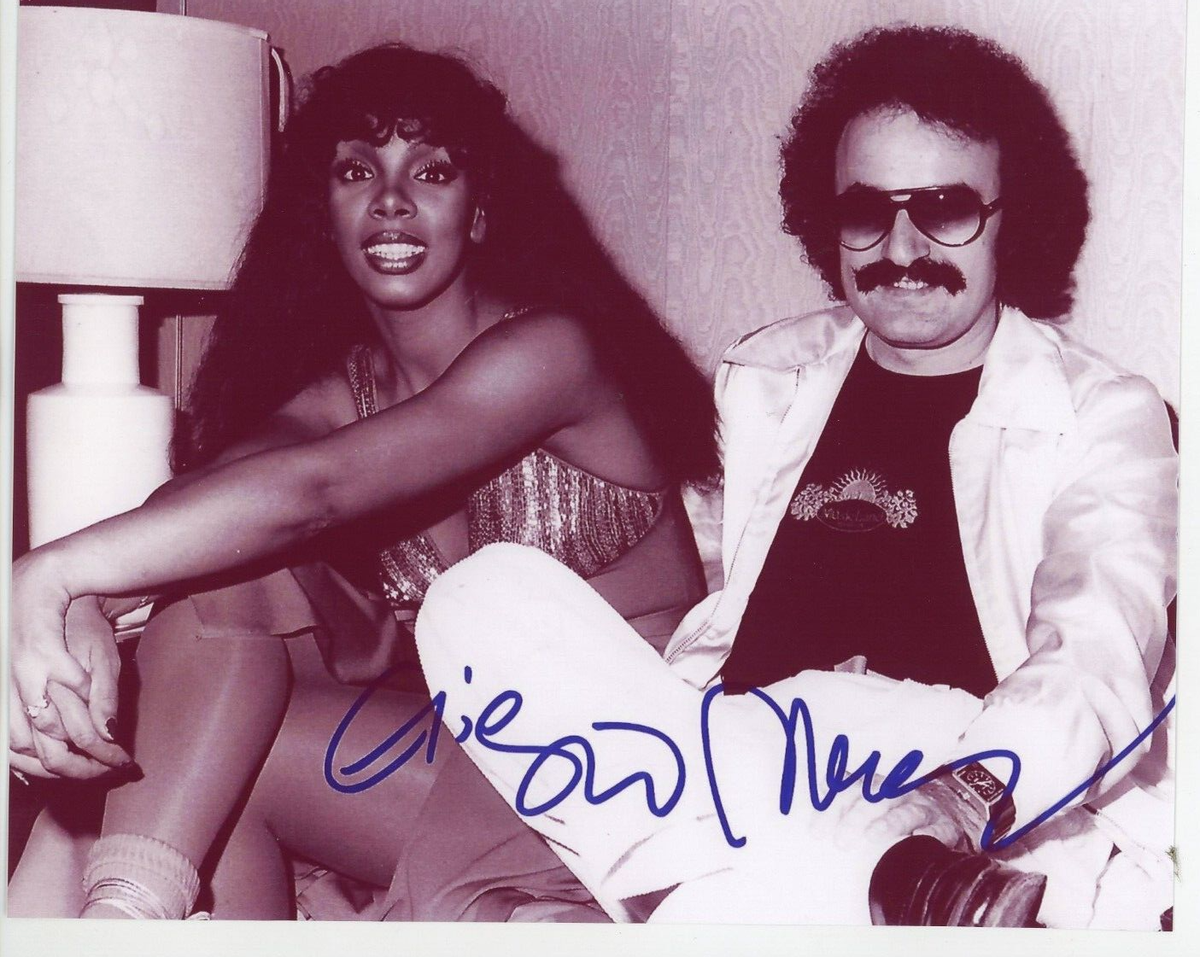
In the summer of 1977, a revolution echoed through the dance floors of America, driven by an electrifying beat and synthesized sounds that promised liberation and joy. It was in this moment that Donna Summer, hailed as the ‘Queen of Disco,’ unleashed the transformative anthem ‘I Feel Love.’ This track, produced by the innovative Giorgio Moroder, was not just a song but a declaration, the first fully synthesized disco anthem that would change club music forever. But behind the euphoric melodies lay a darker narrative of personal turmoil and the suffocating weight of celebrity.
As ‘I Feel Love’ climbed the charts, reaching the hearts of millions, Summer found herself in a paradox — the very iconography of liberation through disco constrained her, branding her as a mere sex symbol. The glitz of Studio 54 and the thumping beats of the Jukebox that characterized this vibrant era masked the exhausting battles she faced. The endless parties, flashing lights, and adoring fans provided little respite from the pressures of stardom. Donna Summer was more than a voice; she was a woman engulfed by the intense scrutiny and expectations of an industry that celebrated her while simultaneously consuming her.
Giorgio Moroder, with his groundbreaking use of synthesizers, altered the music landscape forever. His pulsating beats and magnetic rhythms complemented Summer’s sultry vocals perfectly, creating an intoxicating soundscape that would define a generation. Yet, beneath the sails of this sonic ship, Summer’s personal struggles brewed. Publicly adored and endlessly praised, she wrestled with feelings of entrapment. The vibrant disco era, often associated with freedom and expression, belied the internal chaos she experienced — battling exhaustion and the risk of losing her identity as perceptions of her as a ‘sex symbol’ loomed large.
As the disco scene flourished, so did the complexities of its artists. The glittering world of glamour hid the shadows of addiction, mental health struggles, and the stark reality of fame. This was an era marked not only by euphoric dance but also by conflict — think of the East Coast vs. West Coast rap battles that would erupt decades later. In many ways, the challenges faced by artists like Donna Summer in the ‘70s laid the groundwork for discussions around mental health and the pressure of public life that still resonate today.
Consider the pivotal moments: the frenetic energy of disco nights at clubs like Studio 54, contrasted with the silent battles fought in hotel rooms and dressing rooms. Each electrifying performance she delivered masked a feeling of isolation and vulnerability. The weight of her hit songs became a double-edged sword, as she had to navigate the fine line between artistic expression and the expectations of her image.
Today, songs like ‘I Feel Love’ still invigorate dance floors and reverberate through the channels of popular culture. However, it’s essential to remember Donna Summer not only for her contributions to music but also as a reminder of the complexities artists face behind the scenes. Her journey reflects a broader narrative of resilience amid the demands of fame.
In our modern world, where social media can amplify both adulation and criticism, Donna Summer’s story and struggles remind us of the multifaceted nature of success. As we celebrate her legacy, let us honor the woman behind the music — a vibrant spirit who transformed disco and left an indelible mark on music history, while navigating the shadows of her remarkable life.