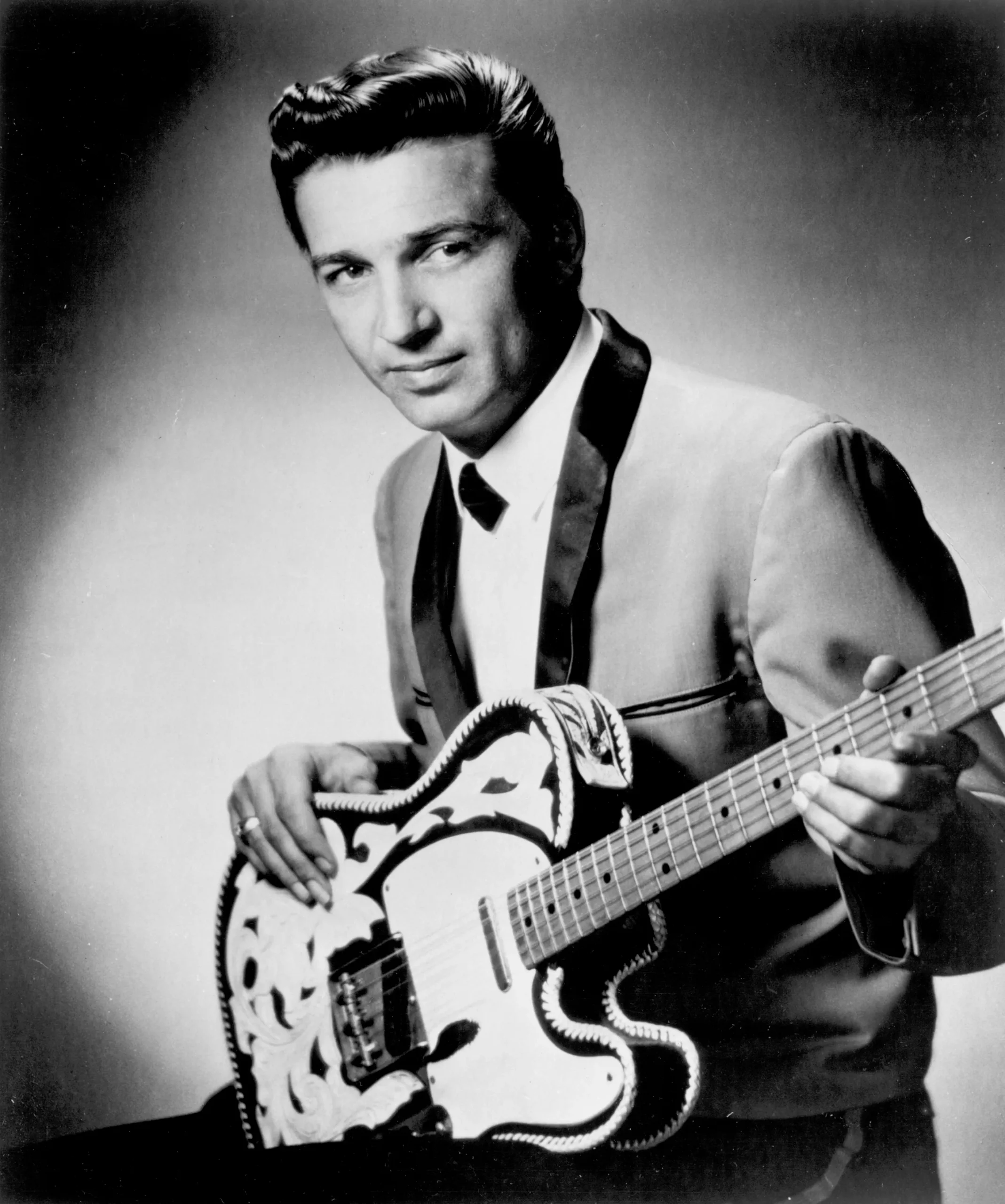
The year was 1985, and the air inside the A&M Recording Studios in Los Angeles was thick with ego, adrenaline, and the suffocating scent of hairspray. It was the night the music industry’s brightest stars gathered to record We Are the World. Under the glowing neon signs of an era defined by MTV and excess, the greatest names in pop, soul, and rock converged to craft a global anthem. Yet, behind the scenes of this historic production, the facade of harmony began to fracture. While the cameras caught the smiles, they missed the moment the legendary country outlaw Waylon Jennings decided he had reached his breaking point and walked straight out into the cold January night.
Waylon Jennings was never a man to play by the rules of the Hollywood machine. With his leather vest, grit-stained voice, and an aura that felt more like a dusty Texas highway than a polished recording booth, he stood in stark contrast to the glitz of the mid-eighties pop scene. The tension reached its boiling point during the recording of the song’s bridge, where a debate emerged over the inclusion of lyrics in Swahili. Waylon Jennings, sensing that the production was veering into a territory that felt disingenuous to the soul of the message, stood his ground. He felt the choir was being asked to perform something that lacked the authentic, raw power he had built his entire career upon.
For a man who had navigated the tumultuous landscape of country music, from the smoky jukebox joints to the grand stages of the Grand Ole Opry, the artificiality of the situation was too much to bear. When the request to sing the foreign lines became a sticking point, Waylon Jennings made his famous exit. He refused to lend his voice to a sentiment he couldn’t personally stand behind. It was a classic display of the uncompromising integrity that had made him a titan of the Outlaw Country movement. He wasn’t there to follow the crowd; he was there to sing from the heart or not at all.
His departure left a silence that rippled through the studio, a stark reminder that even in the golden age of celebrity, true legends dance to the beat of their own drum. It wasn’t just a disagreement over a lyric; it was a clash between the corporate machinery of the eighties music industry and the rugged individualism of the artists who paved the way. Waylon Jennings prioritized his creative conscience over the promise of global prestige, a choice that only cemented his status as a rebel among icons.
Years later, the story of why he left remains one of the most compelling footnotes in the history of pop culture. It serves as a reminder of an era when music felt dangerous, personal, and profoundly real. Every time we hear that chorus today, we are reminded of the night the music industry almost fractured—and the man who chose to walk away rather than lose himself in the noise. Waylon Jennings may not have sung on the track, but his absence speaks louder than any melody.