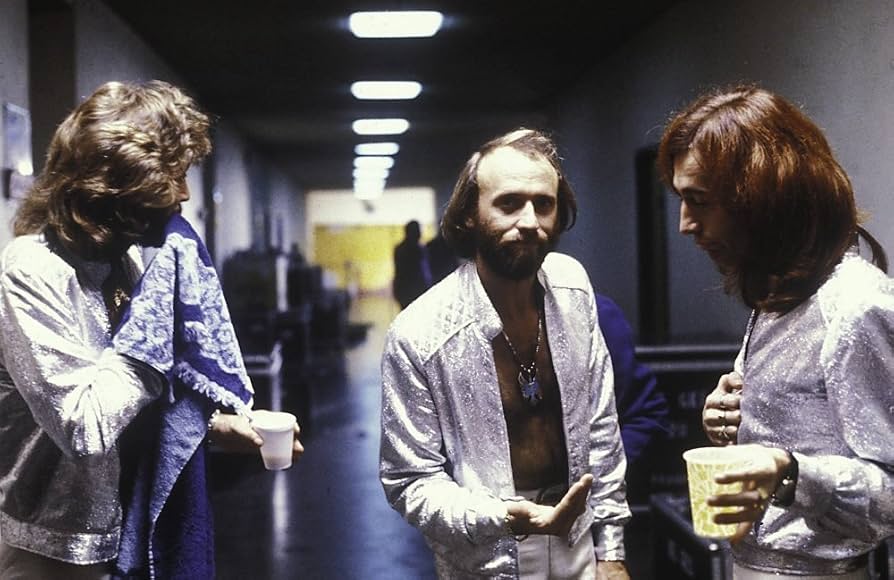
In the vibrant world of music during the late 1970s, the Bee Gees emerged as titans of the disco scene, only to be thwarted by a cultural backlash that threatened to erase their legacy forever. Their anthem, “Stayin’ Alive,” recorded almost casually for a film no one expected to succeed, became the rebellious soundtrack of a generation celebrating life at Studio 54. Yet, the same era that celebrated their catchy melodies would soon turn against them, in a war against disco that shook the music industry.
The story of the Bee Gees is one of triumph shrouded in conflict. Emerging from humble beginnings in the 1960s, Barry, Robin, and Maurice Gibb found their footing in the music scene, harmonizing their way into hearts with soulful tunes. However, it was their shift towards disco that sparked a revolution. Their contribution to the soundtrack of “Saturday Night Fever” positioned the Bee Gees at the forefront of a cultural phenomenon. The pulsating beats and shimmering falsettos heralded the golden age of disco, capturing the essence of nightlife and freedom at the iconic Studio 54, where celebrities danced alongside the everyday party-goer, and every night felt electric.
But just as quickly as the lights of disco shone, dark clouds gathered on the horizon. The rise of the ‘Disco Sucks’ movement began, fueled by a reactionary wave of music enthusiasts who dismissed disco as superficial and commercial. Concerts turned into battlegrounds, with the infamous Disco Demolition Night in 1979 marking a literal explosion against the genre. The Bee Gees, synonymous with disco, found themselves unjustly scapegoated. Criticism became a chorus as their music faced fierce rejection in a society that had once celebrated it, branding them as symbols of a movement now viewed with disdain.
Despite these challenges, the Bee Gees remained resilient. Their essence and art prevailed, illustrating a poignant lesson about the volatile nature of fame and cultural trends. Even in the face of adversity, their story is a testament to the power of music to reflect the complexities of life—beauty intertwined with struggle. From music awards to record-breaking sales, the impact of the Bee Gees during this era is undeniable. Their melodies, originally born in an atmosphere of celebration, now carry echoes of a reality where art meets upheaval.
Today, the music of the Bee Gees continues to resonate, a nostalgic reminder of not just how they shaped disco, but how they navigated cultural storms. “Stayin’ Alive” is no longer just a song; it represents a spirit of perseverance and joy amidst chaos. The rhythmic beats and poignant lyrics create an emotional connection that transcends time, reminding us that even under the harshest criticisms, the human spirit—like their music—can thrive.
As we reflect on the legacy of the Bee Gees, we not only honor their monumental contributions to music but also recognize the layers of conflict and resilience that shaped their journey. Their triumphs and trials remind us that every melody carries a story, one that can uplift, inspire, and evoke memories of a vibrant era that, even amidst its challenges, ignited passions and defined a generation. This is why the Bee Gees, despite the attempts to erase them from history, remain an indelible part of our musical landscape.