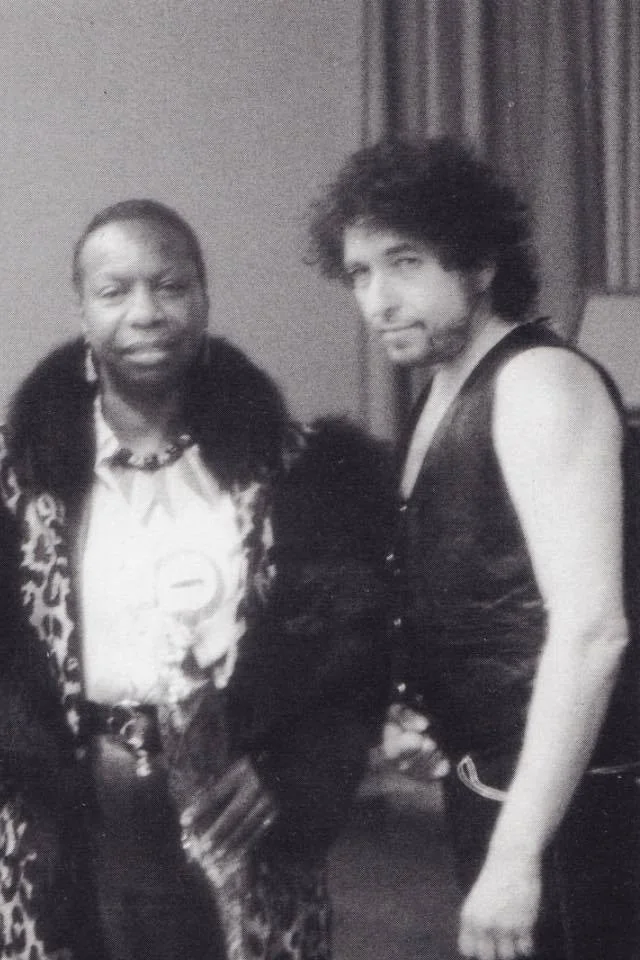
The 1960s was not just a decade; it was a powder keg of social unrest, and in the heart of the smoke stood two titans of American music: Nina Simone and Bob Dylan. While the radio played the hits of the day, these two visionaries were busy crafting the soundtrack to a revolution. Yet, their methods were as different as fire and ice. To understand the tension of the era, one must look at how they wielded their art as weapons of change. They were fighting for the same soul of a nation, but their paths rarely intersected, representing two distinct philosophies of protest that still resonate with us today.
Nina Simone did not ask for change; she demanded it. Her music was a visceral, raw reflection of the racial violence and inequality she witnessed daily. When she performed, the room didn’t just listen; it felt the weight of her fury. Songs like Mississippi Goddam were not merely protest anthems; they were indictments of a society failing its people. Nina Simone poured her own psychological trauma and righteous indignation into her piano keys, turning every performance into a confrontation. She stood on the front lines, her voice a piercing scream that shattered the silence of an indifferent America.
In contrast, Bob Dylan operated like a cryptic poet hiding in the shadows of the folk revival. While Nina Simone was direct and explosive, Bob Dylan favored the mystery of metaphor. He wrote about the times they were a-changin’ using elusive imagery that forced the listener to do the intellectual labor. He didn’t want to shout the answers; he wanted to plant seeds of doubt in the minds of the establishment. From his humble beginnings in Greenwich Village to the massive stages of the era, Bob Dylan became the reluctant voice of a generation, weaving complex narratives that captured the existential dread of the Cold War and the restlessness of the youth.
Despite their different approaches, both artists were fueled by the same desperate search for truth during a time of immense cultural upheaval. While Nina Simone was battling the immediate, painful realities of the Civil Rights Movement, Bob Dylan was dissecting the broader moral decay of a country turning inward. They were two sides of the same coin, highlighting the duality of the American experience. Their songs played on the jukeboxes of diners and the transistor radios of students across the nation, creating a sonic tapestry that defined a decade.
Today, we look back at the legacies of Nina Simone and Bob Dylan not just as musicians, but as architects of social consciousness. Their ability to articulate the anxieties of their time reminds us that music has the power to shift the cultural landscape. Whether through the bold, unfiltered rage of Nina Simone or the haunting, lyrical enigmas of Bob Dylan, their impact remains timeless. As we revisit the dusty vinyl records of the 1960s, we are reminded that even in the most divided times, a voice—if honest enough—can change the world.