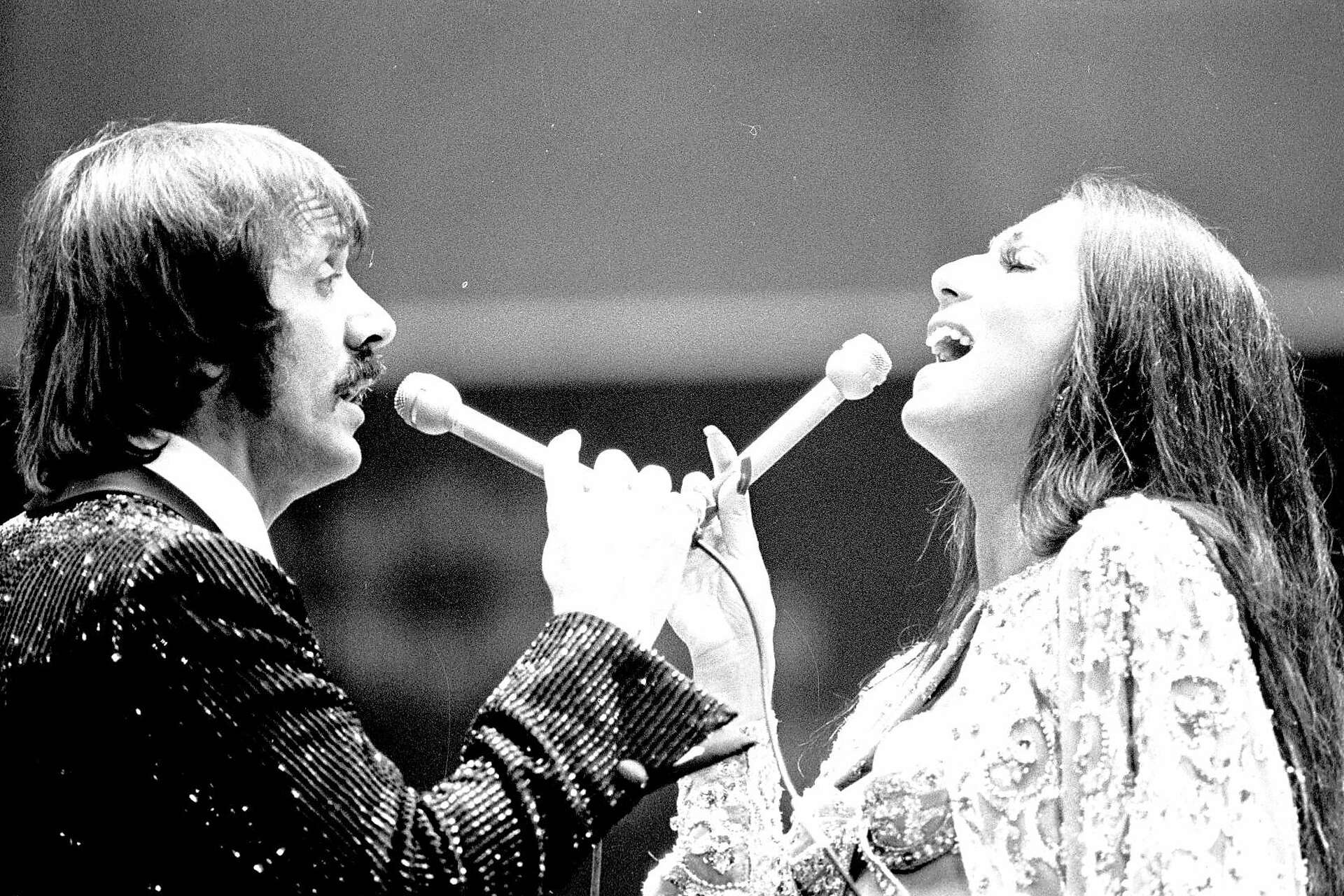
In the cold, cavernous confines of a Los Angeles recording studio in 1964, a young couple stood in the shadows, their voices blending into a wall of sound that would define an era. Most people remember Sonny and Cher as the flamboyant, bell-bottom-wearing icons of the 1970s, but before the fame and the televised glamour, they were desperate, hungry, and entirely anonymous. While Phil Spector orchestrated his legendary sonic masterpieces, this husband-and-wife duo was relegated to the background, providing haunting, uncredited harmonies for tracks that would break hearts across the nation. They were the ghost voices of the golden age of pop, waiting for their own moment to step into the blinding spotlight.
At the time, the airwaves were dominated by the Jukebox sound and the rising tide of girl groups, but the industry was a brutal landscape for aspiring stars. Sonny Bono, an ambitious producer-turned-performer, and Cher, his shy but powerhouse-voiced partner, spent their early days as backup singers for hire. It is a surreal thought to realize that the raw, iconic rasp of Cher—a voice that would eventually become a cultural touchstone—was once buried deep beneath layers of production, serving merely as sonic filler for the hits of others. They were present at the birth of the Wall of Sound, learning the mechanics of stardom while lingering in the periphery of greatness.
This period of obscurity serves as a stark reminder of the grueling journey required to reach the top. In an age before digital shortcuts, success in the 1960s was earned through repetition, smoke-filled studios, and the relentless grind of the music business. Sonny and Cher lived in small apartments, counting pennies while dreaming of topping the Billboard charts. The tragedy, and perhaps the triumph, of their early career is how closely they stood to history without being recognized by it. Every take they performed as nameless backups was a masterclass in musical endurance, building the chemistry that would eventually turn the duo into a global phenomenon.
As the decade progressed, the industry changed, moving toward the social upheaval of the late 60s and the disco-drenched excess of the 70s. Sonny and Cher evolved alongside these shifts, trading their anonymous backup roles for the center stage. Their rise remains one of the most compelling stories in music history, fueled by a volatile mix of artistic ambition and intense personal connection. Looking back, those uncredited 1964 sessions feel like the prologue to a cinematic epic, a quiet moment of focus before the chaotic, meteoric explosion of their professional and romantic life.
Today, the legacy of Sonny and Cher stands as a testament to the fact that every legend starts in the shadows. Their music still resonates because it carries the weight of those early, struggling days. Whether you are a lifelong fan or a new listener discovering the magic of the mid-century sound, remember that the voices behind the radio hits were often the ones fighting hardest to be heard. Next time you listen to those classic 60s recordings, listen closely to the harmonies; you might just be hearing the humble beginnings of a true musical revolution.