The year was 1979. The airwaves were dominated by the polished, synthesizer-heavy soundscapes of the late seventies, and Fleetwood Mac stood at the absolute zenith of their power. As the world hummed along to the ethereal, haunting melody of Sara, fans assumed it was simply another piece of the band’s signature, drama-filled songwriting. It was the era of the Walkman and the haze of smoky recording studios, where the lines between reality and art were constantly blurring. Yet, decades later, the truth emerged, transforming a beloved classic into a heartbreaking monument to a life that never was. For those who grew up in that golden age of rock, the revelation hit like a sudden, cold wind.
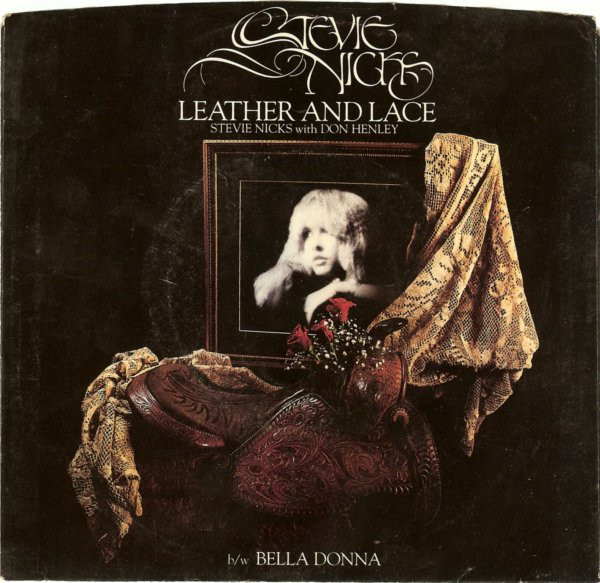
Stevie Nicks, the mystical queen of rock, and Don Henley, the heartbeat of the Eagles, were the era’s power couple, moving through the industry with a whirlwind of fame and creative intensity. Their connection was electric, defined by late-night studio sessions and the chaotic, high-stakes lifestyle that defined the 1970s music scene. But beneath the flashing lights and the roaring crowds, they carried a heavy, private weight. Stevie Nicks later confessed that the name Sara was more than just a beautiful word chosen for its melody; it was the name they had chosen for the child they decided not to have during their tumultuous relationship.
This revelation casts a long, melancholic shadow over the song that defined the late seventies for so many listeners. When you listen to the lyrics today, the refrain of Sara takes on an entirely different weight. It is no longer just a song about a complicated relationship or a band member’s longing; it is a eulogy for a ghost. The intimacy of the music, once perceived as a vague romantic entanglement, becomes an agonizingly personal diary entry. It captures the essence of that period—the juxtaposition of immense public success and the private, crushing sacrifices often demanded by the altar of rock and roll.
The tragedy of Stevie Nicks and Don Henley reflects the darker side of fame during the peak of the industry’s excess. They were young, caught in the rapid rise of superstardom, and forced to navigate decisions that would haunt them long after the disco balls stopped spinning and the stadium tours ended. It reminds us that our favorite tracks, the ones we played on loop in our wood-paneled living rooms, were often born from moments of profound human struggle. The music wasn’t just a product of the studio; it was the manifestation of a soul trying to reconcile personal loss with the relentless pressure of a public identity.
Today, when Sara drifts through the speakers, it serves as a reminder of the fragility of the human experience. It bridges the gap between our memories of the past and the reality of the legends who lived it. We can still hear the shimmer of the production, but we now also hear the echo of a story that Stevie Nicks chose to keep hidden for so long. It is this blend of haunting beauty and raw, authentic pain that ensures these artists remain etched in our hearts, forever singing to the shadows of the lives they left behind.