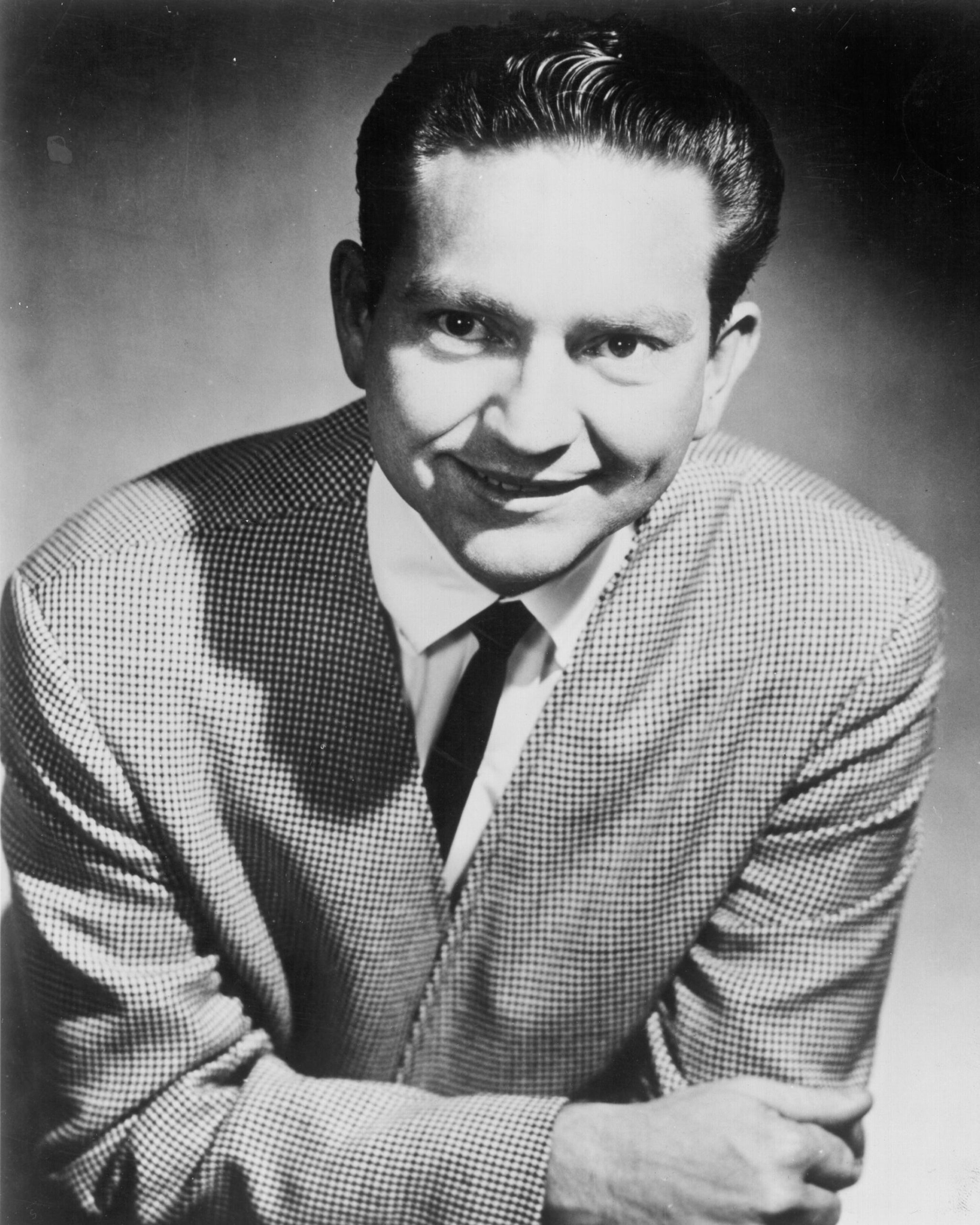
Nashville heard an unfinished record. America heard a revolution. That coastline-to-heartland split, the hiss of vinyl and the quiet of a single guitar, began one night when Willie Nelson refused to let a stripped-down idea be reshaped into something glossy. In 1975 Red Headed Stranger arrived like a rumor turned gospel: a spare, cinematic country album that Nashville had dismissed as a demo and the rest of the country could not stop playing.
Willie Nelson had already been everywhere—songwriter, sideman, and a voice on jukeboxes across small towns—but his move to Austin sharpened a loose, jazz-tinged storytelling style that confounded Music Row. He recorded Red Headed Stranger as a sequence of plain, haunting vignettes: minimal instrumentation, aching space around the words, and a narrative arc of sin, loss and lonely redemption. Columbia’s executives expected someone to “fix” it; instead, Willie insisted the rawness was the point. When the single “Blue Eyes Crying in the Rain” rose to Number One, it felt less like commercial validation than cultural vindication.
The album detonated at a moment when popular culture was splintering—Studio 54 glittered with disco excess, Woodstock’s long shadow still lingered decades later, and younger listeners carried music from turntables to Walkmans. Outlaw Country, with Willie Nelson and Waylon Jennings at its uneasy, brilliant center, was the country answer to that fragmentation: anti-establishment without being derivative, authentic without being academic. Where Nashville favored polish and formula, Willie offered weathered honesty. Where the record executives heard a demo, the rest of the country heard a storyteller’s map.
What keeps Red Headed Stranger alive isn’t a tidy hit parade but the way Willie Nelson inhabits a narrative. The album reads like a short film—an itinerant preacher, a killing, an oath of wandering—made intimate by Willie’s phrasing and the creak of his guitar, Trigger. That guitar, weathered and full of slashes, became as much a character as the Red Headed Stranger himself. There’s a cinematic economy to each track; the silences and the small musical flourishes let listeners fill in faces, barrooms and the smell of rain on hot asphalt.
The drama behind the scenes is as human as the songs: Nashville’s disdain, industry pressure to polish and the quiet stubbornness of a man who had been writing hits for others for years. Willie Nelson turned that pressure into a manifesto for artists who wanted to control their sound. Alongside Waylon Jennings and a ragged coalition of musicians, he rewrote what country could be—tougher, lonelier, and richer for its imperfections. The songs went from jukebox staple to generational anchor; they play now on classic country stations and in playlists for people who remember holding a vinyl sleeve and feeling a story take hold.
Decades later Red Headed Stranger still feels like a clandestine broadcast from a roadside chapel: intimate, risky and startlingly modern. When you listen to Willie Nelson tonight, you trace a line from those whispered studio takes through the outlaw rebellions and into the present-day love for music that refuses to apologize. Put the record on, let Trigger speak, and you’ll hear why a dismissed demo became a revolution.