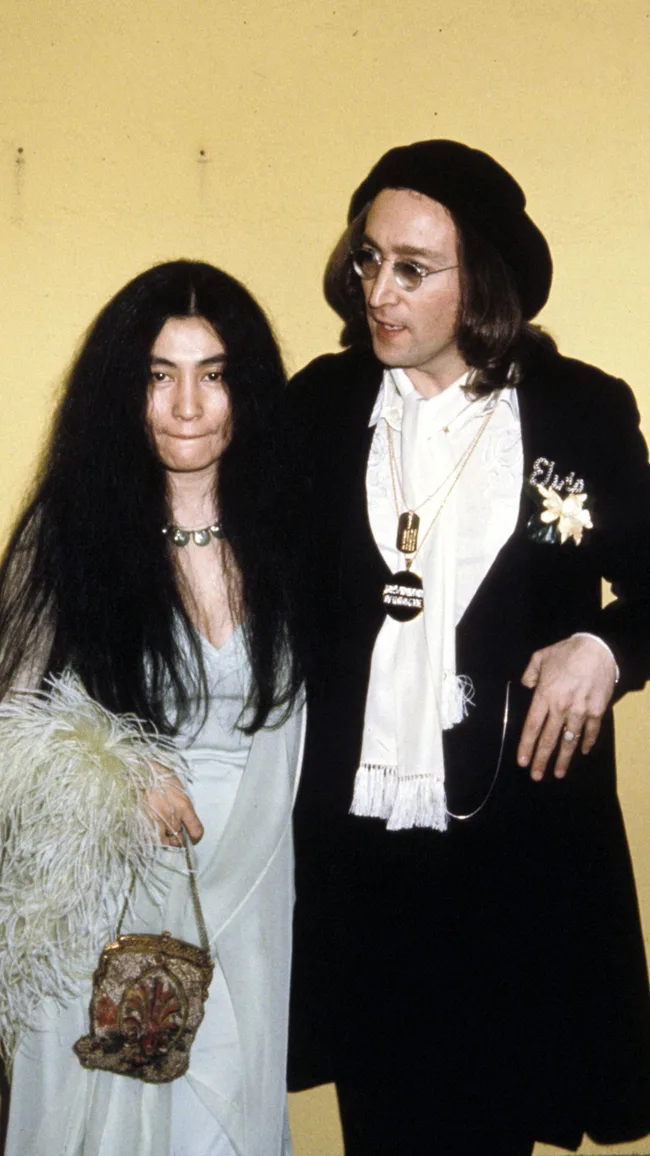
In 1971, the world was spinning out of control. The Vietnam War raged on, the cultural optimism of the sixties had soured into cynical exhaustion, and the Beatles—the band that defined a decade—had shattered into bitter, litigious pieces. Amidst this backdrop of global instability, John Lennon sat down at his white piano in a sun-drenched room at Tittenhurst Park. He wasn’t just writing a song; he was composing a desperate, utopian dream called Imagine. At the time, listeners mistook it for a simple, soft melody, perhaps even a bit naive. They had no idea that beneath the gentle chord progressions lay a radical manifesto that would eventually become the world’s most haunting anthem for peace.
To understand the gravity of John Lennon’s creation, one must step back into the era of the flickering Jukebox and the rise of televised political unrest. Lennon was a man perpetually haunted by his own contradictions. He was a global icon living in the lap of luxury, yet he was singing about having ‘no possessions.’ Critics and peers alike often labeled him a hypocrite, a man preaching austerity while residing in a sprawling mansion. However, this tension was exactly what gave the song its bite. John Lennon wasn’t writing for his past self; he was writing for a future that seemed increasingly impossible to reach. He poured his disillusionment with the rigid structures of society, religion, and national identity into every syllable.
While the world was tuned into the high-octane drama of the burgeoning rock scenes and the glossy hedonism of disco just around the corner, John Lennon dared to strip everything back to a singular, piercing truth. The recording sessions were stark and intimate, a far cry from the complex studio experiments of his past. During these late-night sessions, the ghost of his Beatles identity loomed large, yet he pushed forward. He knew that the only way to pierce through the noise of the seventies was to offer something terrifyingly honest. He traded the screaming crowds of the early sixties for a quiet, contemplative vulnerability that caught the public off guard.
Decades later, the song remains a mirror for our own times. Every time global conflicts ignite, the world turns back to those haunting piano keys. It is a testament to John Lennon’s genius that a melody written in a private moment of domestic peace became a universal language for those protesting war. The song serves as a reminder that icons are rarely as simple as they appear on the back of a vinyl record sleeve. John Lennon was flawed, temperamental, and deeply controversial, yet he captured a longing for humanity that transcends the borders of history.
As we look back at the era of the Walkman and the evolving landscape of music, it is clear that Imagine was not merely a pop song. It was a challenge to the status quo that still vibrates today. It asks us to imagine a world that still feels just out of reach, and perhaps that is why we cannot stop listening. What do you hear when the first notes hit the air—a dream, or a beautiful, impossible lie?