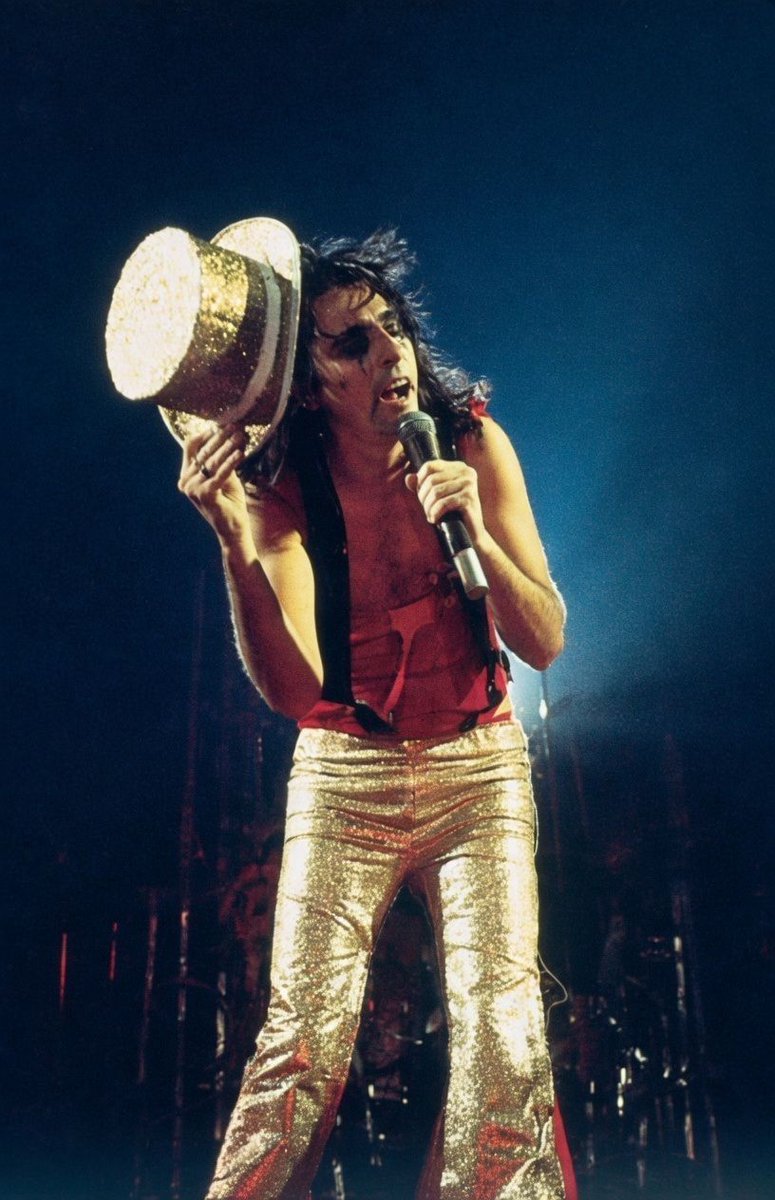
Long before the pyrotechnics of modern stadium tours or the elaborate theatrics of contemporary pop, one man stood in the shadows of the late 1960s, waiting to unleash a nightmare. He was not just a singer; he was an architect of the macabre, a man who saw the rock stage not as a place for simple performance, but as a literal house of horrors. Before the face paint became a pop-culture icon, Alice Cooper was a lightning rod for controversy, challenging the polite sensibilities of the post-Woodstock era with a sinister, theatrical flair that left audiences both horrified and mesmerized.
Born Vincent Furnier, the man who would become Alice Cooper understood early on that rock and roll was becoming too safe. While his contemporaries were busy with peace and love, Alice Cooper was busy choreographing his own execution. He introduced the world to electric chairs, guillotines, and boa constrictors, blending the raw, grit-filled sound of Detroit hard rock with the campy, terrifying aesthetic of a classic horror movie. It was a calculated affront to the status quo, turning every concert into a twisted, high-stakes drama that felt dangerous in a way that modern live music often forgets.
The real turning point came when the public realized this wasn’t just a gimmick; it was a total immersion experience. During the golden age of the 1970s, as the world moved from the haze of the psychedelic era into the crunch of hard rock, Alice Cooper stood at the center of the storm. He thrived on the shock value, becoming the villain that middle-class America loved to hate. Behind the scenes, the pressure was immense, fueled by the relentless pace of constant touring and the temptations that defined the decadence of the era. Yet, Alice Cooper remained the ringmaster of this macabre circus, proving that if you give the audience a spectacle they can’t look away from, you create a legacy that lasts forever.
Beyond the makeup and the morbid props, the music of Alice Cooper remains foundational to the history of the genre. Hits like School’s Out captured the rebellious spirit of the youth, while his darker narrative songs influenced generations of heavy metal and industrial rock bands to come. The sight of a guillotine on stage was more than just a prop; it was a profound statement on the fragility of fame and the theatricality of the human condition. For those who grew up in the era of the Jukebox and the rise of MTV, Alice Cooper was a pivotal figure who bridged the gap between pure musical talent and avant-garde performance art.
Today, the influence of Alice Cooper is seen in everything from the elaborate costumes of pop icons to the stage-craft of modern metal bands. He proved that rock and roll could be a visual language as much as an auditory one. As we look back at the archives of rock history, his story stands out as a dark, exhilarating chapter that reminds us why music was once so dangerous, so bold, and so utterly unforgettable. Whether you are a lifelong fan or a new listener discovering the shock-rock legend, there is no denying that the house of horrors he built still echoes through the corridors of music history today.