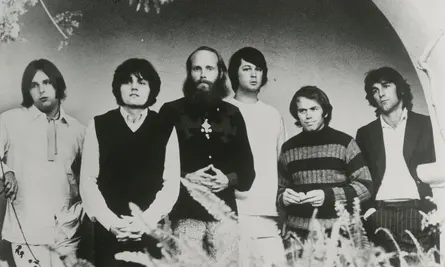
The year was 1968, and the California dream was beginning to fray at the edges. While the airwaves were still saturated with the sun-drenched harmonies of The Beach Boys, a shadow was creeping into the pristine world of drummer Dennis Wilson. It began with an impulsive act of kindness on a Malibu roadside, but it would evolve into a haunting intersection of pop stardom and the most terrifying cult leader in American history. This is not the story of a summer of love; it is the story of how the innocence of the sixties collided head-on with absolute darkness.
Dennis Wilson was the quintessential California rocker, embodying the golden-haired vitality of the surf-rock era. Yet, beneath the veneer of fame and fast cars, there was a restless spirit. When he picked up two female hitchhikers on a lonely highway, he had no idea he was opening the door to the Manson Family. Within days, Charles Manson, a charismatic and manipulative drifter with messianic delusions, had effectively moved into Wilson’s mansion. For Dennis Wilson, it was a creative experiment; for Manson, it was a gateway to the high-society world he desperately craved to corrupt.
Living in a haze of indulgence, Wilson was captivated by the intensity of the man. The recording studio, once a place for polished pop melodies, became the site of a bizarre collaboration. They recorded songs together, with Wilson even helping Manson refine his music, unaware that the man he was feeding and housing was weaving a web of violence that would soon shock the nation. It was a chilling domestic arrangement, where the man who sang about surfing and sunshine was breaking bread with the man who would orchestrate the Tate-LaBianca murders just one year later.
By the time the reality of Charles Manson reached the public consciousness, the association left an indelible, agonizing mark on the reputation of The Beach Boys. The press had a field day, and for Dennis Wilson, the guilt and the terrifying proximity to such evil became a psychological burden he would carry until his own untimely death. It serves as a jarring reminder of how fragile the celebrity bubble really was during that volatile era, where the boundaries between the counterculture and criminal underworld were often dangerously blurred.
Today, this story remains one of the darkest footnotes in music history, a grim contrast to the lighthearted melodies that defined the mid-century sound. The tale of Dennis Wilson and Charles Manson is more than a mere scandal; it is a cautionary fragment of history that underscores how even the brightest stars can be drawn into the orbit of the darkest souls. As we look back at the golden age of American music, let this be a reminder that beneath every hit record lay a human story, often far more twisted than any lyric could ever reveal.