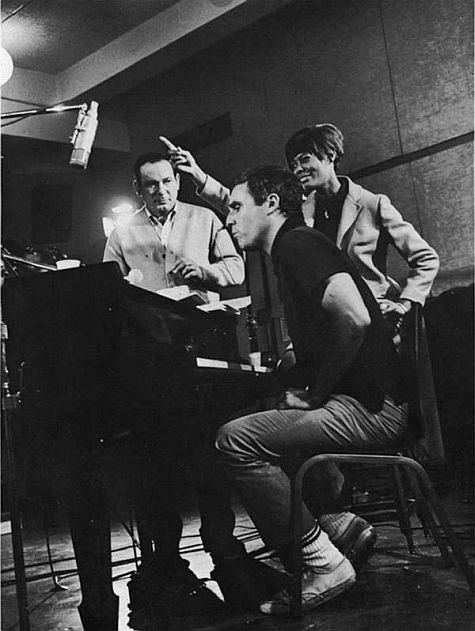
In the mid-1960s, the airwaves were dominated by a sound that felt like polished velvet. It was a sophisticated, sweeping elegance that bridged the gap between Broadway ambition and pop accessibility. At the center of this musical phenomenon stood the golden trio: songwriter Burt Bacharach, lyricist Hal David, and the soulful voice of Dionne Warwick. Their collaboration, defined by complex melodies and heartfelt precision, produced some of the most iconic hits of the decade. Yet, behind the pristine veneer of songs like Walk On By and I Say a Little Prayer, a toxic pressure was building that would eventually fracture this legendary partnership into silence.
The magic of this trio was anchored in the unique synergy of their creative process. Burt Bacharach provided the intricate, jazz-inflected compositions, while Hal David wove lyrics that captured the bittersweet ache of adult longing. Dionne Warwick was the essential vessel for this art, delivering performances that were both restrained and deeply emotive. Throughout the 1960s, they turned the jukebox into a medium for high art. However, as the fame grew, so did the friction between the two songwriters. The professional marriage of Burt Bacharach and Hal David began to suffer under the strain of success, eventually erupting into a bitter legal war that paralyzed their creative output.
For Dionne Warwick, the fallout was devastating. She found herself caught in the crossfire of a legal battle that effectively froze history. As the songwriters clashed in courtrooms and behind closed doors, their star vocalist was left in total creative limbo. The music that once flowed effortlessly was suddenly dammed by lawsuits and wounded egos. It was a tragic realization of the dark side of the music industry, where even the most beautiful artistic legacies could be discarded in the pursuit of contractual superiority. The trio that had defined the era was silenced at the height of their powers.
Looking back from the vantage point of the modern era, the silence that followed feels even more profound. The conflict was not merely a disagreement over royalties or credit; it was a fundamental breakdown of a creative philosophy that had shaped the soundtrack of a generation. The era of the 1960s, so often remembered for its optimism and change, also housed these quiet, destructive moments that stripped legends of their momentum. Dionne Warwick eventually emerged from the shadows to reclaim her status as an icon, yet the sudden halt of that primary creative triad remains a haunting footnote in American pop history.
Today, the legacy of Burt Bacharach and Dionne Warwick reminds us of the fragility of collaboration. Their story serves as a poignant reminder that even the most perfect musical chemistry is susceptible to the ego and legal disputes that define so much of the industry’s history. Whenever you hear the unmistakable opening bars of a classic Dionne Warwick ballad, listen closely to the longing in her voice. It is a reflection of a time when the music was soaring, only to be momentarily grounded by the storms that brewed behind the curtain. Their music endures, standing as a testament to talent that managed to shine long after the drama of their legal battles finally faded into memory.