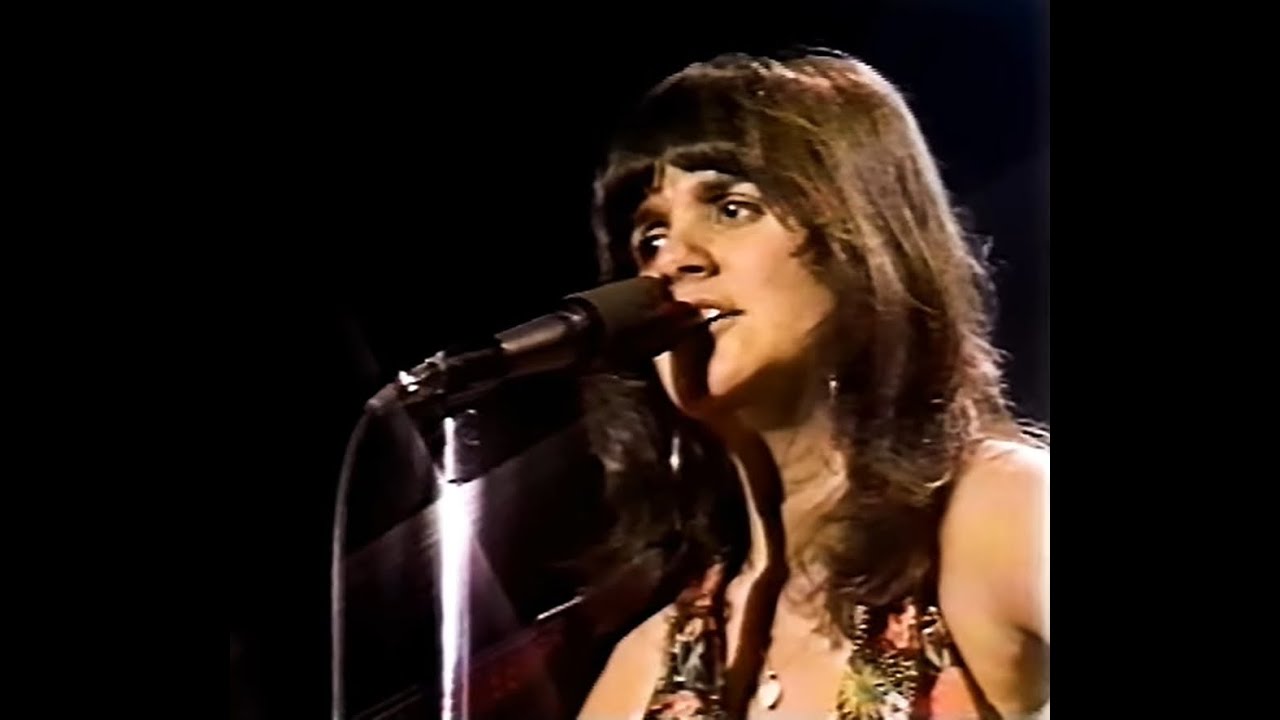
It was 1971, a time when the California sunshine seemed to hum with a secret, electric energy. The air was thick with the scent of patchouli and the promise of something new, a shift away from the psychedelic haze of the late sixties toward the crisp, melodic harmonies that would define the next decade. Before they were the stadium-filling titans who dominated the airwaves, the members of the Eagles were essentially nobodies, hungry musicians scrambling for recognition in the brutal landscape of Los Angeles. They were just four guys with instruments, playing as a nameless backup band for a singer who had already captured the hearts of the nation: Linda Ronstadt.
Linda Ronstadt was the undisputed queen of the country-rock scene, a powerhouse with a voice that could cut through the noise of any crowded dive bar. She recognized a rare, raw chemistry in these men—Glenn Frey, Don Henley, Bernie Leadon, and Randy Meisner—that went far beyond mere session work. When she hired them as her backing group for a gig at Disneyland, nobody could have predicted that the most famous band in American history was standing right there on the stage. It was a fleeting, almost mundane moment under the California sun, yet it became the pivot point upon which the trajectory of seventies rock music turned.
There is a profound, almost cinematic tragedy in how quickly the tides of fame shifted back then. These were the days of AM radio, of sliding a cassette into a Walkman, and of bands living out of suitcases while chasing the dream of a golden record. Linda Ronstadt, ever the intuitive artist, pushed them to find their own sound, encouraging them to step out of the shadows. She wasn’t just their employer; she was their catalyst. Without her steady hand and early endorsement, the intricate vocal arrangements that would later define hits like Take It Easy might never have found their way into the global consciousness.
Watching the history unfold, one can’t help but feel a pang of nostalgia for that era of raw talent and organic discovery. It wasn’t about social media algorithms or manufactured personas; it was about the sound, the sweat, and the grit of the road. Linda Ronstadt’s choice to nurture this band was an act of artistic foresight that forever altered the musical landscape. She was the queen maker who knew that the guys standing behind her were destined to stand on the peak of the mountain.
Today, when we spin those old records, we are transported back to that pivotal time. We hear the echoes of the Laurel Canyon scene and the nascent power of the Southern California sound. The story of Linda Ronstadt and the Eagles is a reminder that even the most legendary empires often begin with a small, quiet moment of collaboration. Sometimes, all it takes to change the course of music history is one great singer with a vision, a stage, and a few guys who were finally ready to find their voices.