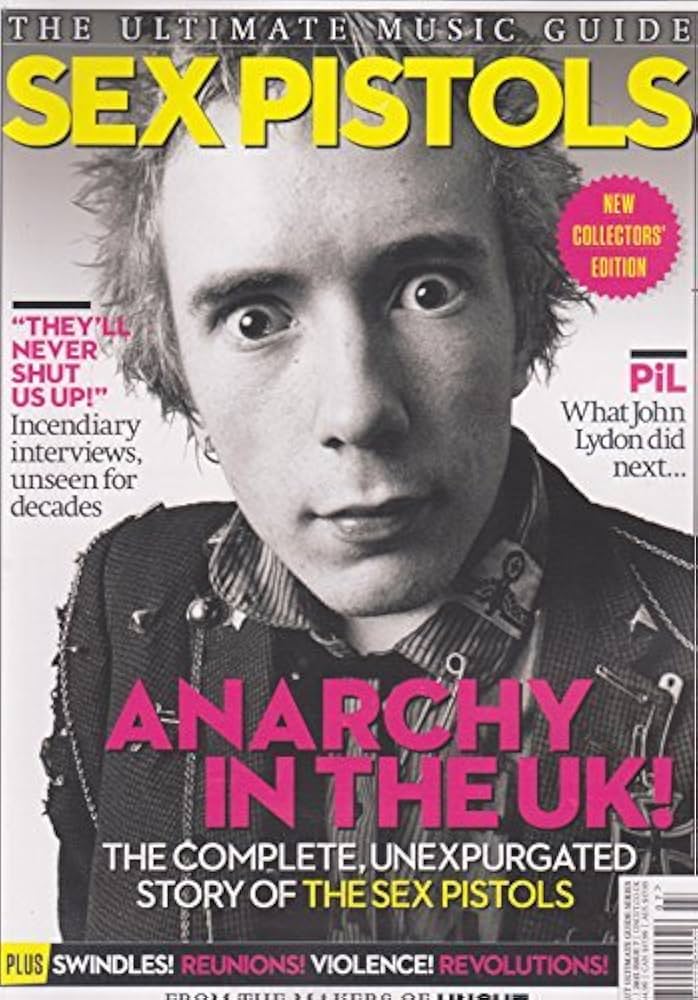
It was 1977, a year when the British establishment was preparing to celebrate the Queen’s Silver Jubilee with pomp and circumstance. But beneath the surface of royal celebrations, a raw, jagged sound was brewing in the damp basements of London. The Sex Pistols were about to ignite a firestorm that would redefine the trajectory of popular culture. When they released their anthem, God Save the Queen, the reaction was not just shock; it was panic. The authorities saw it as a direct, dangerous assault on the monarchy, and they responded with a level of censorship rarely seen in the modern era. The song was effectively banned from the airwaves, blacklisted by the BBC, and scrubbed from public view by a government terrified of the message it carried.
Yet, the attempt to silence the Sex Pistols only served to amplify their roar. To a generation feeling disenfranchised and disillusioned, the track became more than just music; it was a rallying cry. It represented a fundamental shift where the youth stopped asking for a seat at the table and decided to burn the table down instead. The irony, which remains a favorite point of debate among music historians today, is how the song allegedly hit the number one spot on the charts, yet was systematically kept off the list to protect the image of the nation. Was it a genuine chart-topper or a victim of deep-seated institutional manipulation? The mystery lingers, serving as a reminder of how deep the paranoia really ran.
Behind the curtain of this rebellion lay the volatile energy of Johnny Rotten, Steve Jones, Paul Cook, and Sid Vicious. Their lives were a chaotic blur of internal rifts, excessive substance use, and a public persona that blurred the line between artistic genius and self-destruction. The Sex Pistols were never just a band; they were a social contagion. Every snarled lyric was a middle finger to a society that demanded politeness and conformity. Those of us who remember the era recall the electric anxiety in the air whenever they were mentioned on the evening news. They were the villains the media loved to hate, but they were also the only ones speaking a language that felt entirely authentic.
Even today, nearly half a century later, the influence of the Sex Pistols remains undeniable. When you hear the opening chords of their most controversial work, you aren’t just listening to punk rock; you are listening to a moment in time where music dared to be truly dangerous. It was an era before polished social media personas and curated digital lives, back when a record could genuinely threaten the status quo. The raw, unfiltered frustration captured in their songs continues to echo through the halls of rock history, proving that you can ban a record, but you can never truly bury a revolution.
As we look back on the landscape of 1977, it is easy to see the Sex Pistols not as enemies of the state, but as the inevitable byproduct of a society pushed to its breaking point. Their story is a chaotic, tragic, and vital chapter in the American and British music consciousness. Whether you view them as nihilistic provocateurs or the purest voices of a frustrated generation, one thing remains certain: the world has never quite recovered from the impact of their sound. So, turn up the volume, ignore the censors, and let the ghost of that rebellious summer remind you of what it felt like when music actually mattered.