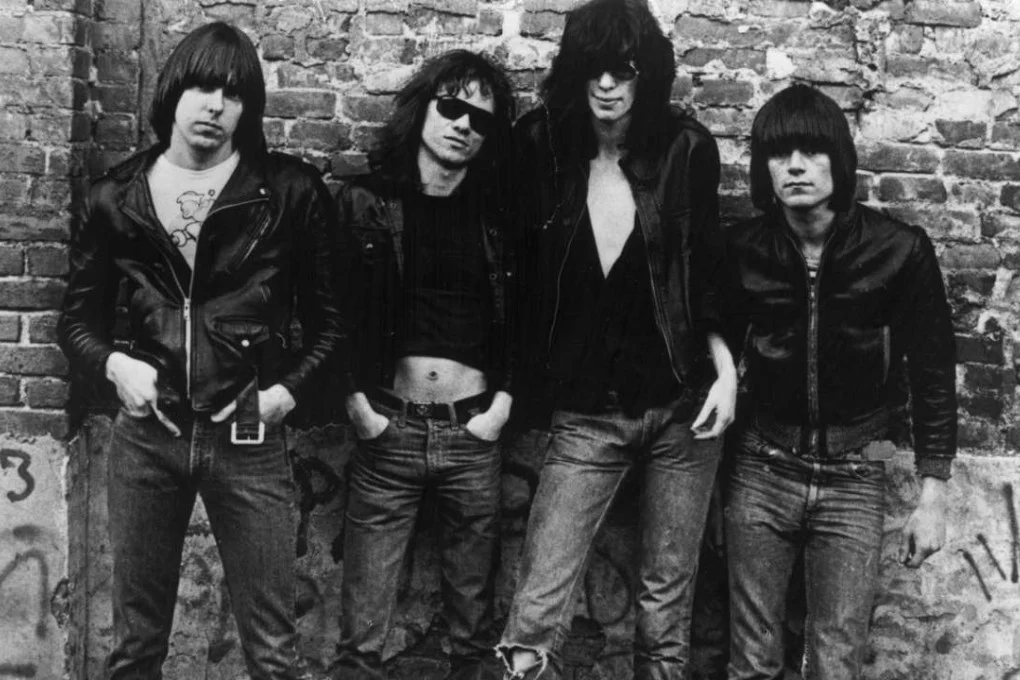
It was 1979, the golden age of punk was colliding with the polished excess of the late seventies, and the Ramones—the leather-jacketed kings of New York’s CBGB scene—were looking for a hit. They sought the legendary Phil Spector, the architect of the famous Wall of Sound, to produce their fifth album, End of the Century. But what started as a desperate bid for mainstream success quickly devolved into a psychological horror story that would leave the band scarred for decades. For the Ramones, the studio did not feel like a place of creation; it felt like a prison cell where the guards were armed.
Phil Spector was a man whose genius was matched only by his volatile, drug-fueled unpredictability. The sessions at Gold Star Studios in Los Angeles became legendary for all the wrong reasons. The band members found themselves trapped in a repetitive, grueling cycle of perfectionism. Spector was notorious for his obsessive, bordering on manic, production style, forcing musicians to play the same chord or note hundreds of times. But with the Ramones, he took things a step further into the macabre. The atmosphere was thick with tension, paranoia, and the heavy presence of firearms, which had become an inseparable companion to the producer’s erratic mood swings.
The most infamous moment occurred during a late-night session when the tension finally snapped. According to band members, Phil Spector pulled a gun on them, effectively holding the Ramones hostage in the studio. Whether it was a demonstration of dominance or a drug-induced delusion, the threat was felt viscerally. For a band synonymous with three-chord rebellion, being forced to march to the beat of an unstable producer’s pistol was a haunting subversion of their punk ethos. The studio, once a sanctuary for musical invention, had been transformed into a locked-down bunker of fear, where the Wall of Sound felt more like a prison wall.
Despite the trauma, the resulting album, End of the Century, remains a strange, fascinating artifact of that era. It sounds massive, polished, and unlike anything the Ramones had recorded before, yet it carries the invisible weight of the madness that birthed it. Tracks like Do You Remember Rock ‘n’ Roll Radio? show the power of Spector’s vision, but listening to them today, one cannot help but think of the band members trapped behind the glass, waiting for the nightmare to end. It stands as a chilling reminder of the dark, often hidden cost of pop music perfection in the late 20th century.
Today, the story of Phil Spector and the Ramones serves as a stark look at the fragility of fame and the blurred lines between artistic genius and pure malice. It was a time when the myth of the eccentric producer was at its peak, and for the Ramones, that myth nearly cost them their peace of mind. As we look back at the era of the Walkman and the vinyl record, it is essential to remember that for every hit that defined a generation, there was often a story of struggle hidden in the shadows. The next time you spin an old record, remember the human cost behind the music.