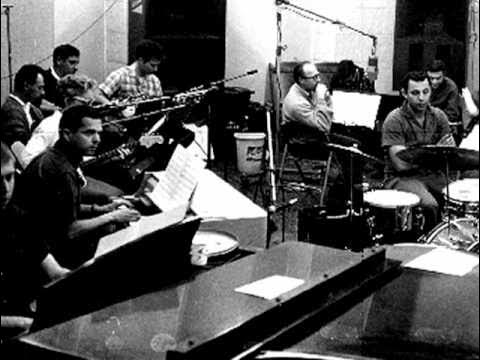
In 1966, the airwaves were dominated by the upbeat, sun-drenched anthems of surfing culture and teenage innocence. Yet, nestled within the landmark album Pet Sounds, a hauntingly beautiful track emerged that would fundamentally alter the trajectory of pop music. When The Beach Boys released God Only Knows, listeners were not just hearing a love song; they were witnessing a spiritual and sonic evolution. While the world was dancing to the frantic energy of the British Invasion, Brian Wilson was inside the studio, quietly orchestrating a revolution of melody that blurred the lines between high art and radio-friendly pop. It was a moment of profound transformation, proving that a three-minute song could carry the weight of an entire lifetime of longing.
To understand the gravity of God Only Knows, one must look at the fractured genius behind it. Brian Wilson was no longer interested in the simple narratives of fast cars and beach parties. By the mid-sixties, the pressures of fame, the weight of his own perfectionism, and the unraveling of his mental health had begun to cast a long, dark shadow over the studio. During these sessions, the vibrant harmonies that defined The Beach Boys became a form of emotional armor. The song itself was an exercise in vulnerability, featuring a complex baroque arrangement that included French horns, accordions, and sleigh bells—an unconventional tapestry of sound that felt both ancient and futuristic for its time.
There is a deeply melancholic drama hidden beneath the track’s polished surface. The song was recorded while the band was under immense internal strain, with Wilson pushing his brothers and bandmates to the breaking point to capture a sound only he could hear in his mind. The legendary producer Tony Asher, who co-wrote the lyrics, helped Wilson translate his internal turmoil into words that felt universal yet deeply personal. When you listen to those opening notes today, you are hearing the sound of a man standing on the precipice of a breakdown, desperately crafting beauty to stay afloat amidst the turbulent rising tide of the decade’s cultural shifts.
Beyond the studio walls, the mid-sixties were changing rapidly. The cultural landscape was shifting from the innocence of the early Jukebox era toward the introspective, psychedelic experimentation that would define the late sixties. God Only Knows served as a bridge between these worlds. It was sophisticated enough for critics, yet it possessed a raw, aching sincerity that resonated with every teenager clutching a transistor radio. It wasn’t just a hit; it was a hymn for the lovelorn, a masterpiece that captured the very essence of human devotion.
Even decades later, the legacy of The Beach Boys and this specific track remains untouchable. It stands as a testament to what can be achieved when raw emotional pain is transmuted into art. As we look back at the era of vinyl records and the analog warmth of the studio, God Only Knows reminds us that the greatest songs are not the ones that merely entertain, but the ones that capture the fragile, fleeting nature of our existence. Take a moment to listen again, and you might just hear the ghost of a genius who changed everything.