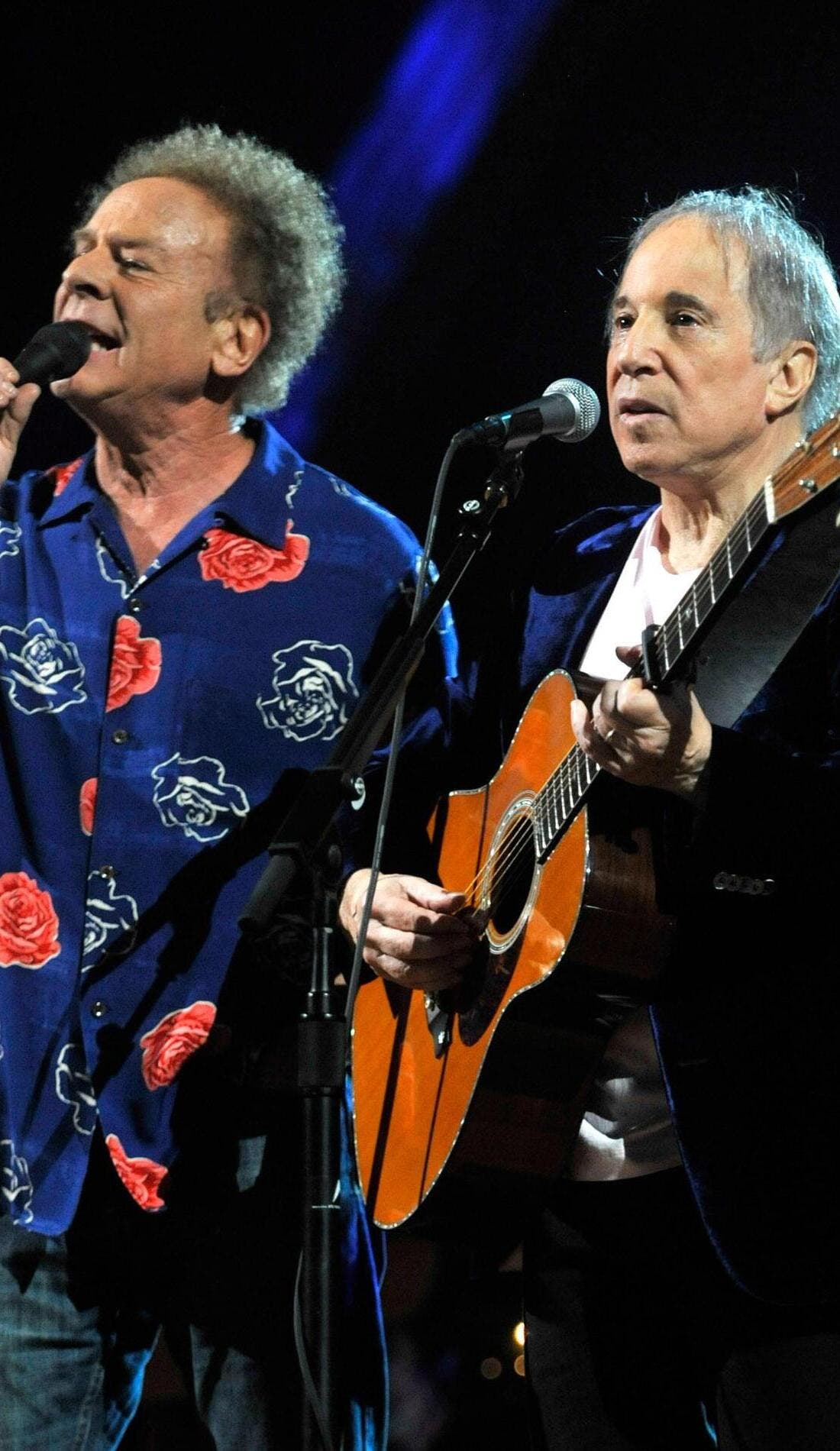
It started as a simple, wandering sketch about Eleanor Roosevelt. In 1967, the folk-rock duo Simon and Garfunkel were struggling to find a name for their latest composition, tossing around ideas for a song that felt like it was searching for a soul. Paul Simon had been tinkering with a melody, but the lyrics were adrift in a sea of half-formed thoughts about the former First Lady. Little did they know that this messy draft would soon be transformed by the magic of cinema, becoming one of the most recognizable anthems in the history of American music.
The turning point arrived when director Mike Nichols approached the duo for his groundbreaking film, The Graduate. Nichols was obsessed with their sound, believing their melancholic harmonies perfectly captured the restless, existential angst of the late 1960s youth. During a meeting, Nichols told Paul Simon, ‘We need a song about Mrs. Robinson.’ Simon laughed, insisting he had nothing prepared that fit such a specific character. Yet, in that creative pressure cooker, the name Eleanor was swapped for the iconic Mrs. Robinson, and a legend was born. The song evolved from a tribute to a political figure into a biting, haunting portrait of a society in transition, echoing through the halls of suburban isolation.
As the song gained traction, Simon and Garfunkel found themselves at the center of a cultural earthquake. This was the era of the Jukebox, the transistor radio, and the slow climb toward the psychedelic explosion of the decade. While the song became synonymous with the movie, its deeper resonance lay in the bittersweet vocal blend of Art Garfunkel’s ethereal high notes and Paul Simon’s grounded, rhythmic storytelling. It captured the specific, aching disillusionment of the era—a feeling that was palpable in every smoky coffeehouse and crowded record store from Greenwich Village to the West Coast.
However, the fame was a double-edged sword. Beneath the polished harmonies of Simon and Garfunkel, internal tensions were beginning to simmer. The pressures of global superstardom, the constant demands of the studio, and their diverging creative visions would eventually lead to their infamous split. Yet, in that brief, golden window of the late 60s, they managed to channel the zeitgeist into a piece of art that felt both intimately personal and universally profound. It was a time when folk music still held the power to sway the masses before the hard edges of arena rock and the excess of the glam metal era took over.
Today, Mrs. Robinson remains a testament to the power of serendipity in songwriting. It reminds us that even the greatest hits often begin as forgotten fragments, waiting for the right moment and the right narrative to bring them to life. Whether you heard it on a worn-out vinyl or through the crackle of an old Walkman, the song invites us back to a time of innocence lost. It is a haunting melody that never truly leaves the room, lingering long after the final chord fades into history, inviting you to listen just one more time.