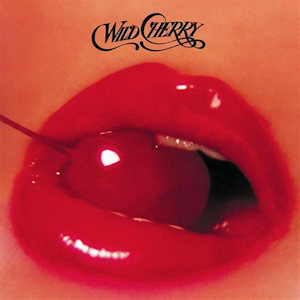
If you spent any time at all in a dimly lit disco or a neon-soaked roller rink in 1976, one sound was guaranteed to cut through the haze of cigarette smoke and strobe lights. It was a rhythmic, scratching guitar riff that felt like electricity hitting the dance floor. Even if you didn’t know the name of the band, you knew the song. You sang along to Play That Funky Music until your lungs ached, yet few people truly know the chaotic, gritty origin story of the men behind the anthem: Wild Cherry.
Before they became one-hit wonders etched into the bedrock of American pop culture, Wild Cherry was actually a hard-rocking band from Ohio. They weren’t born out of a desire to create funk music; they were born out of the sweat and grit of the Midwest rock scene. The band’s frontman, Rob Parissi, spent years grinding away in clubs, trying to make it big by playing the aggressive, guitar-heavy rock that dominated the era. They were struggling, playing gigs where the audience ignored their original tunes, constantly demanding that they ‘play some funky music.’ It was a moment of pure, desperate frustration that birthed a legend.
That one heckle from an audience member became the spark for a musical revolution within the band. Parissi retreated to a dressing room and penned the lyrics in a matter of minutes, channeling the annoyance of being pushed into a genre that wasn’t their own. When Wild Cherry finally recorded the track, there was an unmistakable tension in the grooves of the vinyl. It wasn’t polished pop; it was raw, unfiltered, and carried the heavy weight of a band fighting for their identity. When the song hit the airwaves, it didn’t just climb the charts; it obliterated them, turning the band into instant superstars overnight.
Yet, the glory was as fleeting as the disco era itself. While Play That Funky Music became an eternal staple of every wedding playlist, dive bar jukebox, and classic radio station for the next fifty years, Wild Cherry found it impossible to replicate that lightning strike. The industry, ever fickle, moved on to the next trend, and the band eventually faded into the shadows of the very decade that birthed them. It is a cautionary tale of the music business: one moment you are the king of the airwaves, and the next, you are a footnote in the history of the seventies.
Decades later, the song feels like a time machine. It captures the transition from the heavy rock of the early seventies to the polished, infectious groove of the disco era. It remains a testament to the fact that sometimes, the greatest art comes from the most uncomfortable places. Today, whenever that familiar opening guitar riff starts, we are all transported back to a simpler time, a moment of pure musical joy that proves some songs are simply immortal. It is a legendary legacy that arguably deserves a place in the Hall of Fame, reminding us that even the shortest bursts of brilliance can outlast generations.