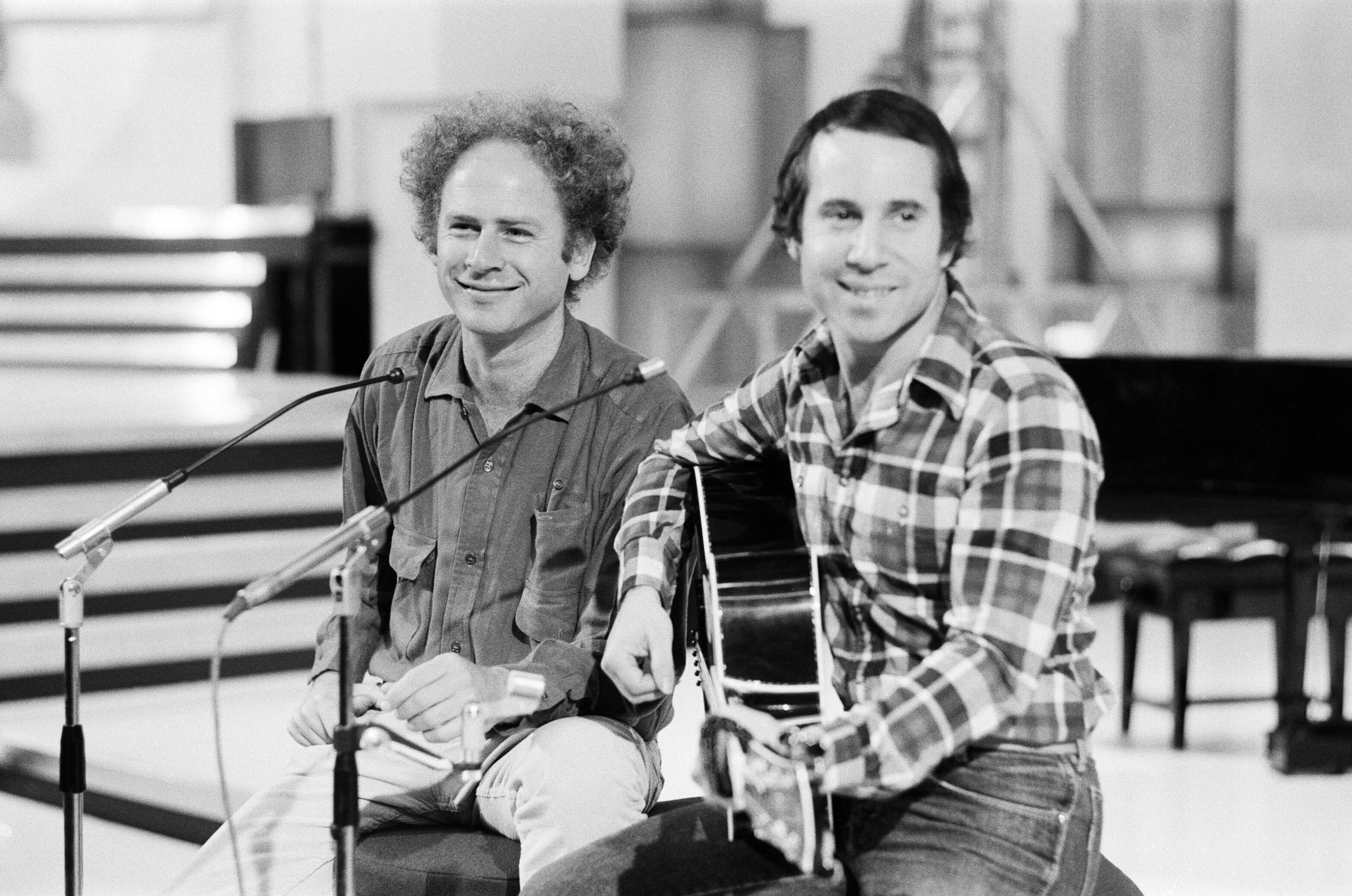
In 1964, the folk duo Simon and Garfunkel were essentially nobodies, nursing the wounds of a failed debut album that had sunk without a trace. They were two guys with an acoustic guitar, hushed harmonies, and a dream that seemed destined for the bargain bin. Their song, The Sound of Silence, was a somber, delicate piece of poetic introspection that drifted through the coffeehouses of Greenwich Village like smoke. It was soft, intimate, and profoundly fragile. Yet, in the back offices of the music industry, a quiet storm was brewing that would change the trajectory of their careers forever, unbeknownst to the artists themselves.
While Paul Simon and Art Garfunkel were busy pursuing separate lives, a Columbia Records producer named Tom Wilson heard potential in the track that the public had ignored. Without telling either Paul or Art, Wilson orchestrated a covert operation. He took the original acoustic master tape and brought in a session band to secretly overdub electric guitars, bass, and drums. It was a bold, unauthorized gamble that flew in the face of the folk purity the duo stood for. By the time Simon and Garfunkel heard the final product, the song had been transformed from a whisper into an electric, mid-tempo anthem, perfectly timed to capture the shifting winds of the mid-sixties.
Imagine the shock of hearing your own work fundamentally altered by a producer behind your back. It was a breach of artistic trust, yet it became the catalyst for one of the most successful chart-topping hits in American history. The electrified version of The Sound of Silence didn’t just climb the Billboard charts; it defined a generation. It became the sonic backdrop for a world on the brink of profound cultural upheaval, moving from the intimate confines of a smoky folk club to the booming speakers of car radios and the flickering screens of an evolving MTV culture that was just starting to find its footing.
This clandestine betrayal highlights the strange, often ruthless alchemy of the 1960s music business. It raises a question that still haunts musicians today: is it better to remain pure in your failure or to be transformed by an act of corporate espionage? For Simon and Garfunkel, it was a painful lesson in the loss of control, but it also opened the doors to a career that would produce some of the most enduring music of the 20th century. Their voices, once lonely and isolated, were now carried on the wings of an electric pulse that demanded to be heard by the masses.
Looking back, the success of that overdubbed track represents a vanishing era where producers acted as puppet masters, shaping the zeitgeist through intuition and sheer audacity. Today, we listen to the song and hear perfection, forgetting the tension and the secret meetings that occurred in a dimly lit studio half a century ago. It is a reminder that some of our greatest cultural treasures were born out of conflict, hidden agendas, and a touch of rebellious experimentation. As you listen to those opening notes today, try to hear the silence that came before the electric shift, and remember the quiet boys who never intended for their ballad to become a thunderous revolution.