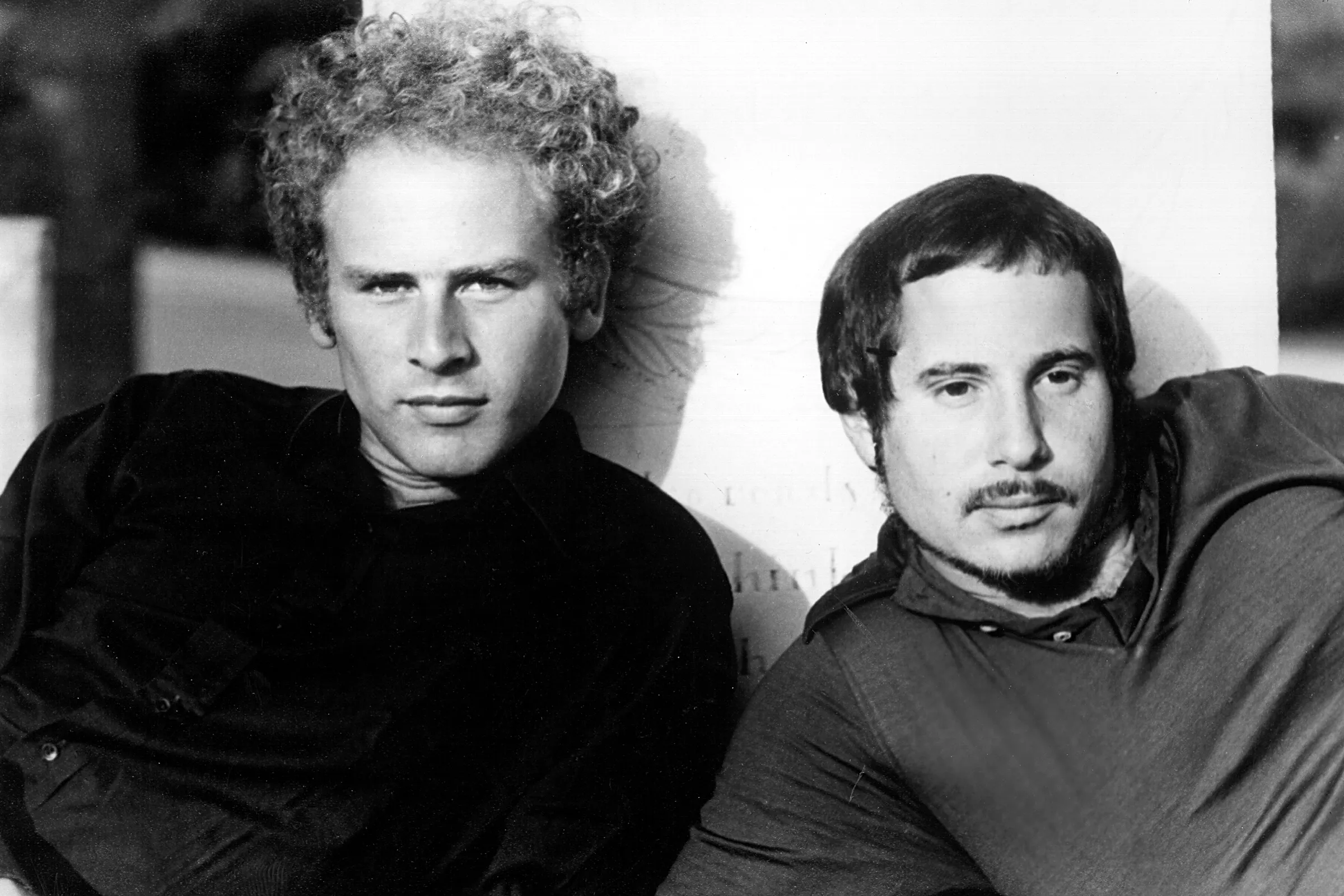
It was 1964, and the folk revival was supposed to be the duo’s golden ticket. Paul Simon and Art Garfunkel had just poured their souls into their debut album, Wednesday Morning, 3 A.M. They were young, ambitious, and convinced they were the next big thing in Greenwich Village. But when the record hit the shelves, the silence was deafening. The album stalled, critics ignored it, and the dream of stardom evaporated overnight. Crushed by the lack of interest, Paul Simon packed his bags and fled to England, while Art Garfunkel returned to his studies. They were finished, or so it seemed, in a world that had moved on to the British Invasion without looking back.
Yet, fate often works in mysterious, behind-the-scenes ways. While the duo was separated by an ocean, their producer, Tom Wilson, noticed something peculiar. Despite the album’s overall failure, a single track—The Sound of Silence—had started to generate a faint, unexpected pulse on college radio stations. Wilson, a man with his finger on the changing rhythm of the sixties, realized that the song’s haunting poetry was being stifled by its stripped-back acoustic arrangement. He didn’t ask for permission; he took a risk that would change music history forever.
Behind closed doors in a studio, Wilson hired a group of rock session musicians. He kept the original acoustic master but layered over it the driving, pulsating energy of electric guitars and a crisp, modern rhythm section. It was a bold, almost blasphemous act in the traditional folk scene. When the new version of The Sound of Silence hit the airwaves in 1965, the world didn’t just listen; it stopped. The transformation was electric, perfectly capturing the existential anxiety of a generation standing on the precipice of the Vietnam War era. The song skyrocketed to number one on the Billboard charts, dragging Simon and Garfunkel back together and catapulting them into the stratosphere of fame.
This dramatic resurrection defined the era of the jukebox and transistor radio. The Sound of Silence became a cultural anthem, a bridge between the introspective folk roots of the early sixties and the impending roar of the rock revolution. It is a story of how a career can be resurrected by a single, audacious creative decision, proving that even the most quiet failures can hold the seeds of a legacy. The tension between Simon’s perfectionism and the chaotic, shifting landscape of the music industry created a sound that still resonates with anyone who has ever felt misunderstood.
Decades later, the tale of this secret remix reminds us of the fragility of success. It highlights a time when a studio producer could alter the course of pop history with a few well-placed overdubs. For fans of classic American music, the journey of Simon and Garfunkel from a broken dream to legendary status remains one of the most compelling narratives in rock history. Their music serves as a nostalgic soundtrack to a complex time, reminding us that sometimes, all it takes is a little bit of noise to be heard.