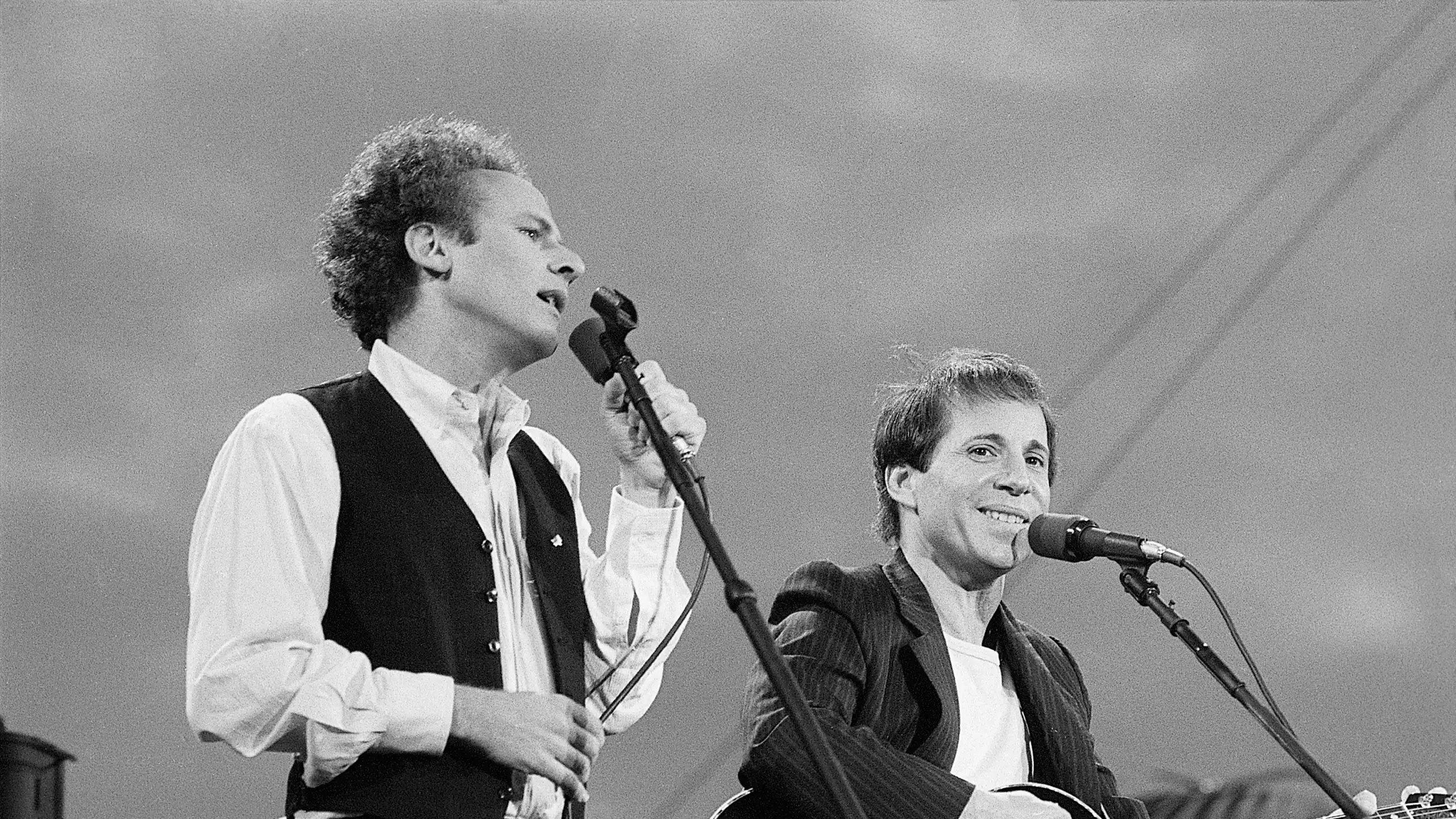
In 1964, the folk duo Simon and Garfunkel walked into a studio full of hope, only to emerge with an album that landed with a thundering silence. Their debut effort was a commercial disaster that shattered their dreams almost as soon as they began. Paul Simon, crushed by the failure, packed his bags for England to chase a solo career, while Art Garfunkel returned to his academic studies at Columbia University. For a brief, haunting moment in history, the partnership that would eventually define a generation was effectively dead, buried under the weight of an acoustic flop that nobody wanted to hear.
Yet, the music business has a strange way of twisting fate behind closed doors. Tom Wilson, a visionary producer at Columbia Records, couldn’t shake the haunting melody of The Sound of Silence. He noticed something that the public had missed, but he knew the original acoustic arrangement lacked the pulse of the changing times. Without telling Paul or Art, Wilson made a risky, unauthorized move. He brought in session musicians to overdub electric guitars, bass, and drums onto the track, effectively turning a quiet folk lament into the birth of folk-rock. It was a gamble that defied the artistic integrity of the original duo, but it captured the simmering tension of a mid-sixties America on the brink of profound cultural change.
By the time the remix hit the airwaves in 1965, the landscape of music was shifting. The era of the simple Jukebox ballad was being challenged by the rising tide of electric rebellion. When The Sound of Silence began climbing the charts, Paul Simon was famously stunned to hear his own voice coming out of a radio in a music store, backed by a rhythm section he never authorized. The song exploded, hitting number one and forcing the duo into a reluctant, albeit legendary, reunion. They were no longer just two friends with guitars; they were suddenly the architects of a sound that would define the decade.
This dramatic turnaround serves as a reminder of the fragility of fame during that golden era of music. Behind the pristine harmonies of Simon and Garfunkel lay a history of personal friction, creative battles, and the relentless pressure of the industry to package perfection. The irony remains that their greatest hit was born from a secret act of defiance that neither man had signed off on. It was a moment of accidental genius that turned a quiet breakup into one of the most storied careers in the history of American folk.
Today, listening to those opening chords feels like stepping back into a hazy, sepia-toned memory of 1965. It is a testament to the fact that sometimes, the most enduring art is born from the ashes of our biggest failures. Whether you remember hearing it on the radio for the first time or discovered it through the cultural lexicon later, the song remains a haunting bridge between the acoustic past and the electric future. Perhaps it is time to put the record on once more and listen closely to the silence that started it all.