In the sweltering heat of the summer of 1969, while the world was obsessed with the mud-caked revolution of Woodstock, a silent revolution was taking place in the boardrooms of New York City. Music mogul Don Kirshner was exhausted. He was tired of temperamental rock stars, ego-driven frontmen who missed recording sessions, and artists who demanded creative control that ruined his bottom line. His solution was cold, calculated, and absolutely brilliant: he would create a band that could never talk back, never hold a grudge, and never demand a raise. He created The Archies.
The Archies were not flesh and blood. They were ink, paint, and cels—a cartoon band ripped straight from the pages of Archie Comics and projected onto televisions across America. It was the ultimate corporate power move to silence the rebellious spirit of the era. If the real-life stars were too difficult to manage, why not manufacture the perfect pop stars who would exist purely for the sake of the hit record? People laughed at the idea at first, dismissing them as a gimmick, but the plan worked with haunting precision. When the infectious bubblegum anthem Sugar, Sugar hit the airwaves, it didn’t just climb the charts; it dominated them, eventually becoming the biggest hit of the entire year.
There is something profoundly unsettling about the success of The Archies when you view it through the lens of history. At a time when the youth were using music to protest wars and fight for civil rights, here was a fictional group singing about sugar and sweetness, carefully engineered to avoid any controversy whatsoever. It was the perfect antidote to the chaotic, dangerous energy of the late sixties. While the Beatles were fracturing and the psychedelic movement was beginning to turn dark, The Archies stood as a clean-cut, plastic monument to commercialism. It was a masterclass in psychological branding, proving that in the music industry, sometimes the most successful act is the one that doesn’t actually exist.
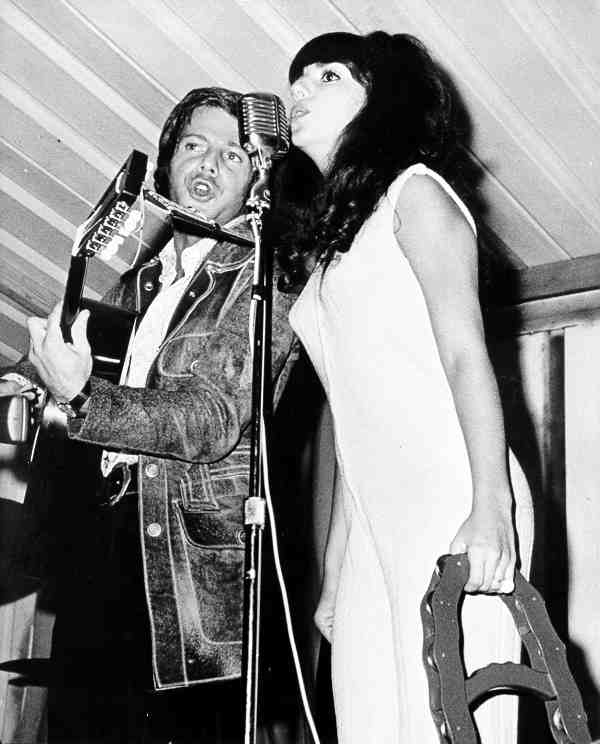
Behind the scenes, however, the human element remained. Though the faces on the screen were cartoon characters, the voices belonged to session musicians like Ron Dante and Toni Wine. They were the anonymous laborers of the studio system, the ghosts in the machine who provided the soul for a project designed to have none. They sang their hearts out, bringing a warmth and energy to these tracks that the audience desperately craved, even if they couldn’t see the people behind the microphone. It is a testament to their talent that the music still holds up today, long after the cynicism of the industry has faded.
Looking back, The Archies remain a strange, shimmering relic of the pre-MTV era. They represent a moment where technology and corporate ambition collided with the sheer power of a catchy melody. Whether you see them as a cynical attempt to strip the soul out of rock and roll or as a masterful piece of pop culture engineering, their legacy is undeniable. They remind us that the line between reality and artifice in the music world has always been thinner than we dare to admit. So, the next time you hear that familiar opening beat of Sugar, Sugar, remember the cartoon stars who were built to be silent, yet somehow managed to scream their way to the top of the world.