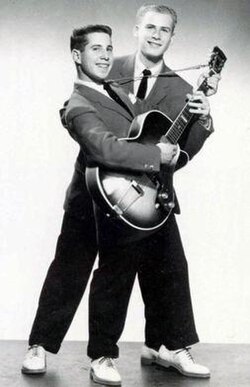
It started as a fragile whisper in a darkened bathroom, a lonely melody hummed by Paul Simon in the shadows of 1964. Most of the world remembers 1965 as the year Simon and Garfunkel finally broke through the static of the airwaves, but the real story of The Sound of Silence is far more jagged than its polished harmonies suggest. At the time, the duo was considered a commercial failure after their debut album flopped, leading them to part ways in frustration. Paul Simon retreated to England to play folk clubs, while Art Garfunkel returned to his studies, leaving their musical dreams to wither away like a discarded reel-to-reel tape. They were two boys from Queens who seemed destined for obscurity, lost in the transition between the innocent early sixties and the impending cultural turbulence of the late decade.
Then, a miracle happened in the cold machinery of the music industry. Without their knowledge, producer Tom Wilson took their acoustic folk recording and overdubbed it with electric guitars and drums, catching the surging wave of the folk-rock revolution. When the song hit the charts, it didn’t just climb; it resonated like a seismic shift. Simon and Garfunkel were suddenly thrust into a spotlight they weren’t prepared for. The haunting, melancholic beauty of the lyrics tapped into a burgeoning sense of alienation that defined a generation struggling with the weight of the Vietnam War and a rapidly shifting social landscape. It wasn’t just a pop hit; it was a hymn for the disconnected souls wandering through the concrete labyrinths of America.
The tension within Simon and Garfunkel, however, was as legendary as their sound. Their friendship was a complex tapestry of artistic brilliance and deep-seated rivalry, a volatile mixture that would eventually tear them apart. Art Garfunkel possessed the ethereal, angelic voice that made the songs soar, while Paul Simon was the architect, the brooding wordsmith who carried the heavy burden of their creative direction. This dynamic created a friction that fueled their greatest work, turning their studio sessions into arenas of psychological warfare. They were perfect on record, yet often barely speaking behind the scenes, a tragedy of two geniuses who could communicate their souls to millions but struggled to say a single kind word to each other.
Decades later, the haunting opening line remains an unshakeable cultural pillar. It captures that specific, aching silence that exists even in the most crowded rooms. To hear it today is to be transported back to a time of transistor radios and dimly lit diners, where the world felt simultaneously smaller and more dangerous. Simon and Garfunkel turned their internal chaos into universal clarity, leaving behind a body of work that continues to haunt us with its impossible beauty. As we listen to those iconic voices intertwine once more, we are reminded that sometimes the most enduring legacies are born from the deepest, most silent of fractures.