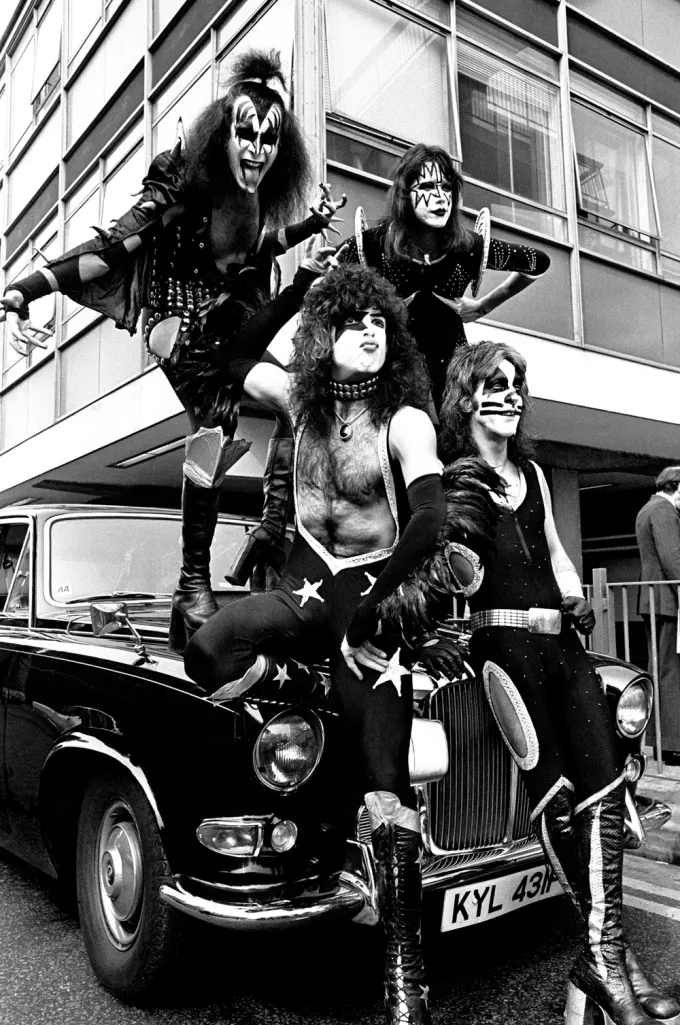
In 1979, the world saw KISS as an impenetrable monolith of rock and roll. To the teenagers clutching their worn-out vinyl copies of Dynasty in suburban bedrooms, they were more than men; they were comic book legends brought to life with pyro-technics and platform boots. But beneath the carefully applied layers of greasepaint and the larger-than-life personas, the band was a pressure cooker on the verge of a total, catastrophic meltdown. While the radio played I Was Made for Lovin’ You, the internal warfare within the group had reached a point of no return.
By the late seventies, the iconic face paint of KISS served as a literal mask for the deep-seated resentment brewing between the members. The ego clashes were legendary, fueled by the relentless pace of their meteoric rise. While the public adored their theatrical spectacle, the band members found themselves increasingly isolated from one another in private. Tensions were not merely professional; they were deeply personal, rooted in conflicting visions for the band’s future and the suffocating weight of being the biggest act in the world. It was a classic tale of success devouring the people who built it.
This fracture was perfectly emblematic of the era. The seventies were coming to a frantic, neon-soaked close, and the glitz of the disco age was colliding violently with the raw, aggressive energy of rock. KISS occupied a strange, hybrid space between the two, an identity crisis that mirrored their internal discord. As they toured, the unspoken rules of the band became increasingly rigid, and the creative spirit that once bonded them turned into a cold, transactional arrangement. The mask stopped being a costume and started being a defensive wall against the reality of a fracturing empire.
One of the most tragic aspects of this period was how the band continued to project strength even as their cohesion vanished. They were masters of the MTV generation before MTV was even a household force, utilizing their mystique to hide the cracks. Yet, the substance abuse and the constant demand for more—more hits, more shows, more money—took a brutal toll on their mental health. The stage lights that once illuminated their success began to highlight the exhaustion in their eyes, and the silence in the tour bus became louder than any guitar riff they had ever recorded.
Looking back from today, the story of KISS in 1979 remains a haunting reminder of the dark side of rock stardom. It is a testament to how quickly a multi-platinum empire can buckle under the weight of ego and burnout. Even now, decades later, the drama surrounding that era keeps fans spellbound, proving that we are just as fascinated by the human struggle behind the music as we are by the anthems themselves. Though the paint was eventually washed off, the scars of those years remain etched into the history of rock and roll forever.