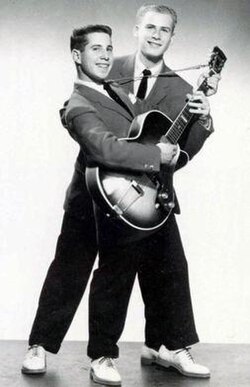
It started with a simple rhythm, but it ended as a 129-day psychological war inside a studio booth. In 1968, the folk-rock icons Simon and Garfunkel were at the height of their powers, yet they were spiraling toward a creative breaking point. While the world was tuned into the burgeoning era of psychedelia and the colorful madness of the late sixties, Paul Simon and Art Garfunkel were retreating into the claustrophobic confines of recording studios in New York and Nashville. They were obsessed with perfection, a pursuit that would turn into a grueling marathon of repetition and tension that nearly destroyed the spirit of their collaboration.
The Boxer was not just a song; it was a testament to the suffocating weight of artistic ego. The recording process became a grueling ordeal, with the duo meticulously carving every harmony and layering every acoustic chord until the tape grew tired. This was the era of the Jukebox and the burgeoning influence of FM radio, where music had to be larger than life to capture the public imagination. Simon and Garfunkel felt the pressure to evolve beyond their folk roots, leading them to experiment in ways that bordered on the absurd to capture the perfect, visceral sound they heard in their minds.
One of the most legendary anecdotes from these sessions involves the pursuit of the song’s thunderous percussive impact. In a moment of pure, desperate genius, the production team decided to drop a bass drum down an elevator shaft to capture a specific, bone-rattling echo. It was a bizarre, dangerous, and inspired move that defined the soundscape of the track. This level of sonic experimentation was unheard of for folk artists at the time, reflecting the shift toward the complex studio wizardry that would soon characterize the rock landscape. The resulting sound gave the listener an immediate, gut-wrenching connection to the song’s narrative of struggle and survival.
Behind the seamless harmonies that captured the hearts of millions, the relationship between Paul Simon and Art Garfunkel was fraying under the strain of the production. The studio, which should have been a sanctuary, became a site of conflict. They were two men bound by a brilliant musical synergy, yet divided by their differing visions of where their sound should go. The 129 days spent recording were marked by arguments, exhaustion, and the silent realization that the magic they were creating was being paid for with the currency of their personal peace.
Today, when we listen to The Boxer, we do not hear the stress or the broken patience of those 129 days. We hear the purity of a masterpiece that defined the late 1960s. It stands as a timeless echo from a pre-digital age, reminding us of a time when music was sculpted by hand and captured in the physical world. Their story remains a poignant reminder that the greatest art often emerges from the deepest rifts, leaving us with a song that, like the boxer himself, remains standing after all these years.