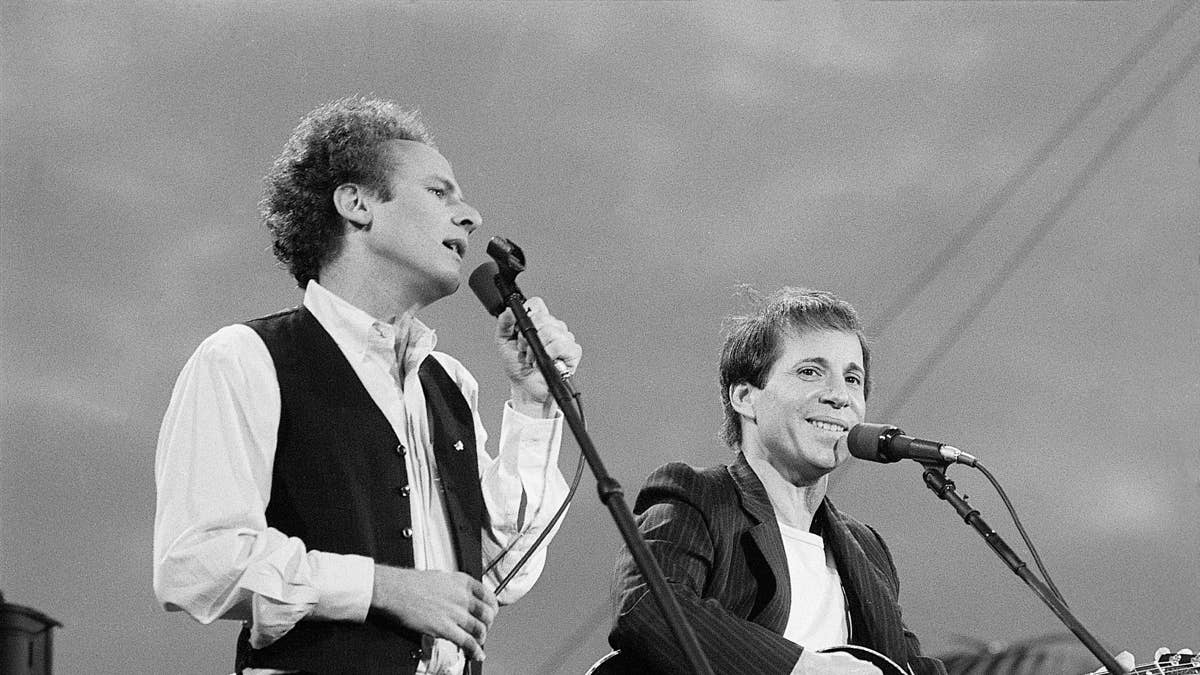
In 1968, the folk duo of Simon and Garfunkel were already cultural icons, but their perfectionism was a double-edged sword. Paul Simon, known for his relentless pursuit of lyrical precision, found himself staring at a blank page, grappling with a song that would eventually become a pillar of American music history. He was stuck in a creative dead-end, struggling to find the right chorus for what would become The Boxer. The track was meant to be a gritty reflection on loneliness and the brutal realities of life in New York City, yet the song felt hollow, lacking that one vital spark that would elevate it from a simple folk ditty to an immortal anthem of the human condition.
As the studio sessions stretched into the late hours, tension within the walls of the recording studio grew thick enough to cut with a knife. This was an era when the airwaves were dominated by the rising tide of psychedelic rock and the dawn of the MTV generation was still a distant dream, but Simon and Garfunkel remained grounded in the raw power of pure melody. Paul Simon paced the room, frustrated by the lack of resolution in the composition. He had captured the mood of the streets—the struggle for survival and the weight of disappointment—but the musical structure remained stubborn, refusing to yield to his initial ideas for a traditional, word-heavy chorus.
Then came the breakthrough that changed everything. Instead of forcing more words into the melody, Simon hit upon a haunting, wordless rhythmic hook. Those three simple sounds—lie-la-lie—became the heartbeat of the song. It was a gamble that almost broke the masterpiece, yet it turned out to be the perfect emotional release for the lyrics. Art Garfunkel’s crystalline voice breathed life into these sounds, turning the track into a cathartic explosion of sound that resonated with the disillusionment of an entire generation. It was a moment of pure musical genius that bridged the gap between acoustic folk and the evolving soundscapes of the late sixties.
Looking back, it is easy to forget that Simon and Garfunkel were navigating an era where the industry was rapidly changing. From the influence of the Jukebox to the impending arrival of more aggressive sounds, they managed to stay relevant through sheer, uncompromising artistry. The success of The Boxer proved that silence, or in this case, wordless melody, often speaks louder than the most poetic lines. It was a testament to the fact that sometimes, the greatest artistic statements are the ones we almost throw away because they don’t fit the conventional mold.
Decades later, the legacy of Simon and Garfunkel continues to haunt us in the best way possible. Their songs are not just records from the past; they are living, breathing entities that reflect the anxieties and hopes of everyone who listens. The struggle behind the creation of their greatest hits serves as a reminder that behind every legendary song lies a mountain of doubt, late nights, and the courage to take a chance on an unconventional idea. As we look back at the era of vinyl and analog warmth, their music remains an essential companion, reminding us that even in our darkest struggles, there is always a melody waiting to be found.