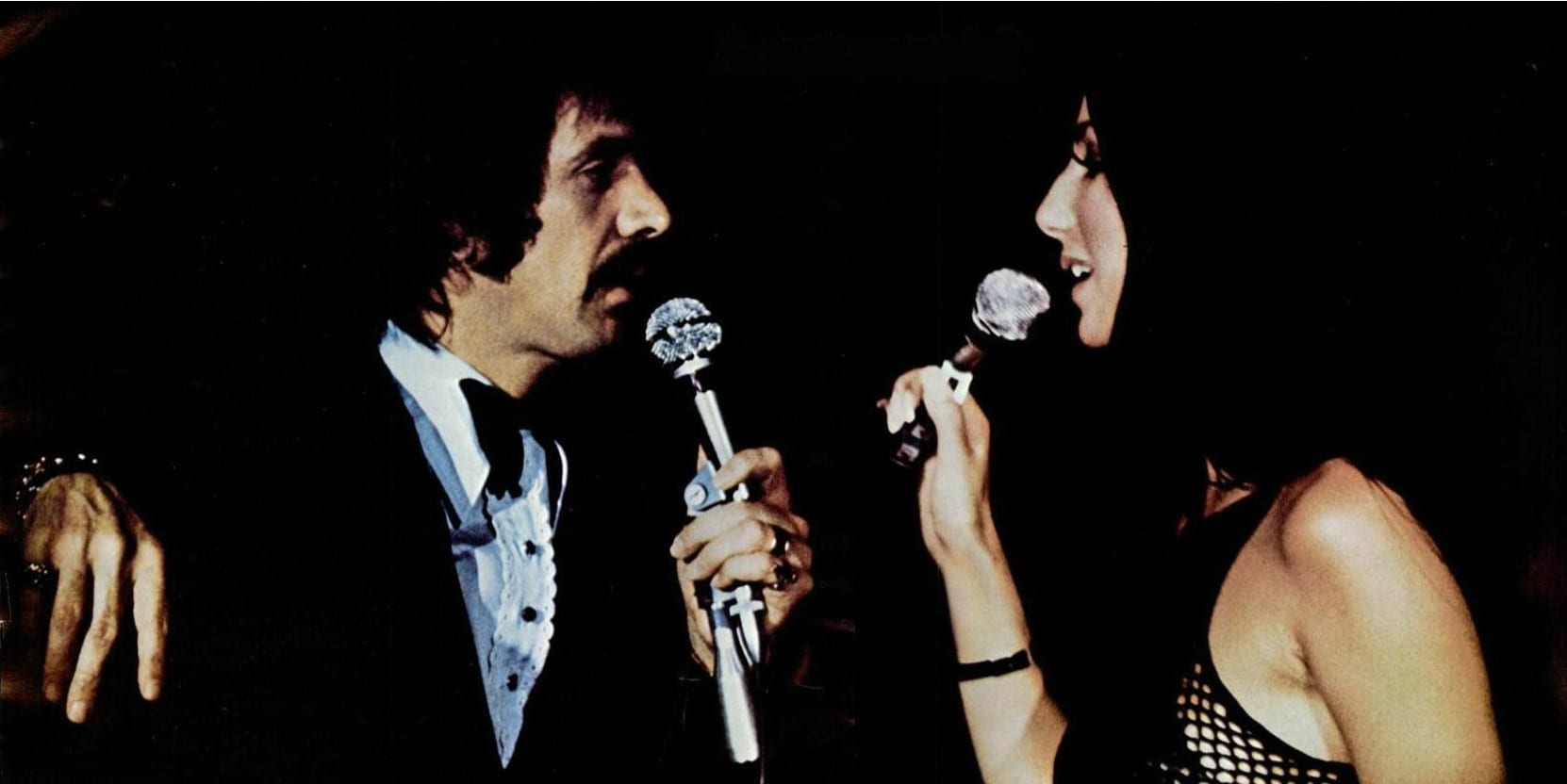
By 1979, the music industry was ready to write Cher off as a relic of a bygone era. Her folk-pop beginnings with Sonny seemed a lifetime away, and the glossy, plastic allure of the late seventies disco movement felt like a world she couldn’t inhabit. The critics were whispering, and the charts were shifting away from the sounds that had defined her earlier fame. Yet, history has a funny way of bending for icons who refuse to fade into the background. Cher did not just survive the transition; she walked into the velvet-roped chaos of Studio 54 and claimed the disco crown for herself.
To understand the magnitude of this transformation, you have to imagine the atmosphere of New York City in 1979. The air was thick with the scent of decadence, expensive perfume, and the desperate energy of the glitterati. At the center of this hurricane was Studio 54, a place where the rules of reality were suspended at the door. When Cher entered that space, she wasn’t just another celebrity guest; she became the living embodiment of the era. She traded in her bohemian fringe for sequined gowns and razor-sharp style, proving that her artistic evolution was far from finished. It was a masterclass in reinvention that left her detractors speechless.
Behind the glitz, the transition was far from simple. Cher faced the immense pressure of staying relevant in a music industry that was rapidly embracing the synthetic sounds of the new decade. She understood, perhaps better than anyone else, that fame is a fickle beast that requires constant adaptation. By leaning into the disco aesthetic, she tapped into the raw, pulsating energy of a generation that wanted to dance away its anxieties. She was no longer just the pop star of the sixties; she was the defiant survivor who could command a room without saying a word.
The drama of her personal life only added to the magnetic pull of her performance. Navigating the messy aftermath of a high-profile divorce and the crushing weight of public scrutiny, Cher used her music as both a shield and a statement. Every note she hit during that period felt like a reclamation of her identity. She proved that you don’t have to choose between vulnerability and power. In those dimly lit, bass-heavy nights, she wasn’t just performing; she was writing a new chapter in the history of American pop music.
Today, we look back at this period as the moment Cher solidified her status as an eternal icon. She proved that a pop star’s shelf life is only as short as they allow it to be. Whether you caught her on the local radio or saw her towering over the dance floor, her influence was undeniable. Her journey remains a testament to the fact that true legends don’t just follow trends—they redefine them. As the synth-pop era beckoned, Cher stood firm, having successfully weathered the storm of the disco revolution. The next time you find yourself listening to a classic record, remember the woman who walked into the fire and emerged more legendary than ever before.