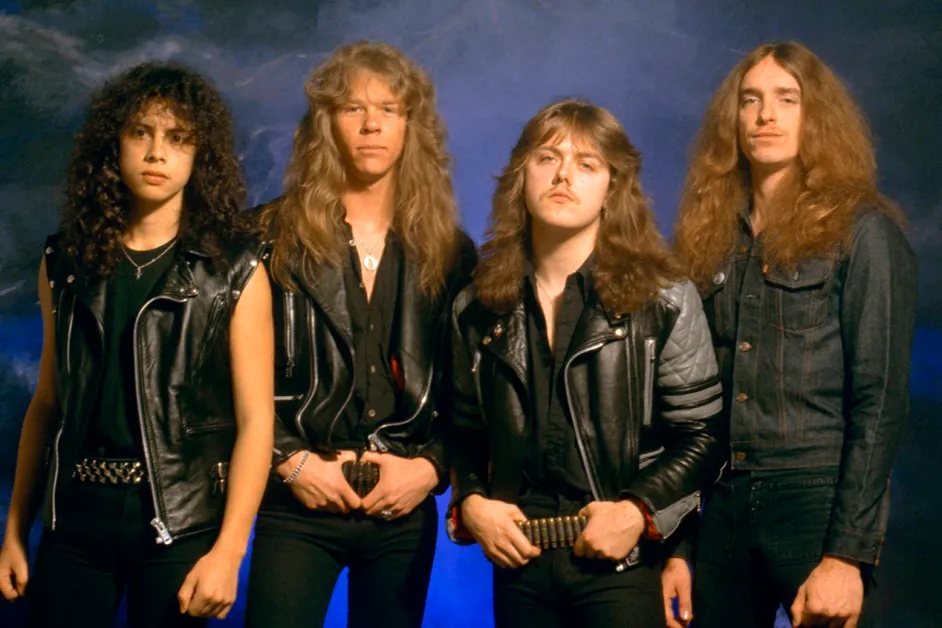
The year was 1992, an era defined by the rise of grunge, the dominance of MTV, and the larger-than-life spectacle of heavy metal arena tours. For the fans who lived through the transition from the glitz of the eighties to the grittier nineties, Metallica was the undisputed king of the stage. But on a fateful night in Montreal, the spectacle they were known for turned into a literal nightmare. Thousands of screaming fans watched in absolute horror as the band’s signature pyrotechnics spiraled out of control, transforming a legendary concert into a brush with death that still haunts the annals of rock history.
As Metallica launched into the opening chords of Fade to Black, the atmosphere was electric, filled with the sweat and intensity of a sold-out crowd. Suddenly, a massive blast of fire—intended to be a simple, calculated theatrical effect—erupted directly beneath frontman James Hetfield. He had inadvertently stepped exactly onto the spot where a pyrotechnic charge was waiting to detonate. The force of the explosion engulfed him, catching his arm and face in a wall of flame. The music screeched to a halt, not because of a technical malfunction, but because the man behind the microphone had been reduced to a human torch in front of an unsuspecting audience.
The seconds that followed felt like an eternity. The stagehands rushed in, the band members froze, and the crowd stood paralyzed by the sheer terror of witnessing a rock god literally burning alive. James Hetfield managed to scramble away, his clothes smoldering, his skin seared, and his spirit deeply shaken. For those of us who grew up with the roar of a Jukebox or the raw energy of stadium tours, it was a chilling reminder that the line between rock stardom and tragic mortality is dangerously thin. The show was canceled, the tour was thrown into chaos, and the industry was forced to reckon with the inherent dangers of the massive pyrotechnic displays that defined the heavy metal era.
In the aftermath, the incident became a cornerstone of the Metallica lore, illustrating the vulnerability hidden behind their wall of sound. While the scars healed, the psychological toll remained, forcing the band to confront the fragility of their own dominance. It was a turning point that brought the group closer, testing their brotherhood during a time when their musical evolution was already pushing boundaries. Even now, decades later, the Montreal disaster serves as a dark cautionary tale about the price of ambition in the pursuit of the perfect live experience.
Today, we look back at this moment with a mix of awe and relief. It stands as a vivid chapter in the story of Metallica, a reminder of a time when concerts were visceral, dangerous, and completely unfiltered. As we listen to those classic tracks on our modern speakers, the echoes of 1992 still resonate, reminding us that for those brief, terrifying moments, we were witnesses to a brush with the end of a legend. Music history is often painted in shades of gold, but sometimes, it is scorched by the very fire that fuels it.