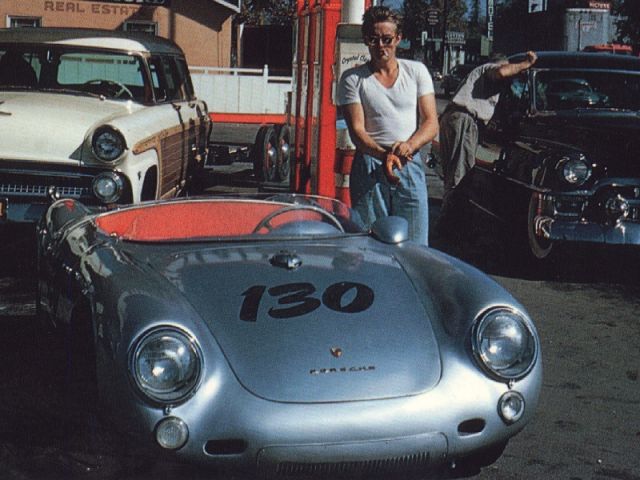
The afternoon of September 30, 1955, remains etched in the collective memory of cinema history as a moment when the golden age of Hollywood paused. On a stretch of California highway near Cholame, the roar of a silver engine was silenced, marking the tragic end of a young man who had only just begun to redefine what it meant to be a movie star. James Dean, at the tender age of twenty-four, was driving his cherished Porsche 550 Spyder—a vehicle he affectionately dubbed Little Bastard. He was en route to a racing event in Salinas, a pursuit that mirrored the restless, high-octane spirit he brought to the silver screen. In a single, devastating collision, the world lost a budding icon, yet paradoxically, it gained an eternal symbol of rebellious youth that has never faded.
To understand the magnitude of this loss, one must recall the atmosphere of the 1950s. It was a time of transition, where the polished perfection of the post-war era began to clash with the raw, unspoken desires of a new generation. James Dean stood at the center of this cultural shift. With his brooding gaze and a sense of vulnerability that defied the rigid tropes of the time, he channeled the Method Acting techniques that were beginning to transform the industry. He was not merely playing a part; he was embodying the anxieties and longings of every teenager who felt misunderstood. Whether he was portraying the troubled Jim Stark in Rebel Without a Cause or the wandering Cal Trask in East of Eden, Dean possessed an authenticity that transcended the screen.
The Porsche 550 Spyder was an extension of his own persona: fast, sleek, and dangerous. For those of us who grew up watching these classic films, the image of James Dean behind the wheel of that silver machine feels almost mythological. It represents the quintessential archetype of the American dreamer who lives life at full throttle. When the news of his passing reached the public, it sent a shockwave through Hollywood that few events have ever replicated. It was the first time that a death felt so personal to millions of fans who saw their own restlessness mirrored in his expressive eyes.
Decades later, as we look back from the vantage point of 2026, the legacy of James Dean remains surprisingly vibrant. He belongs to an era when movie stars were larger than life, yet he possessed a grounded humanity that resonates with every generation that follows. His influence can be traced through the gritty performances of the 1970s and the charismatic A-list powerhouses of the 1990s. Every young actor who strives for emotional transparency owes a quiet debt to the path carved by Dean. He taught us that beauty and brilliance often burn the brightest before they are extinguished.
Though he only left behind three major starring roles, his presence is as vivid today as it was seven decades ago. We often revisit those films, listening to the crackle of the celluloid and marveling at a talent that was stolen far too soon. James Dean is not just a footnote in the history of cinema; he is a constant reminder of the fragility of life and the endurance of art. As we look back on the progress of Hollywood from the mid-century to the turn of the millennium, we find that some stars never truly set; they simply remain fixed in the constellation of our most cherished memories, waiting to be rediscovered by those who still appreciate the magic of a legend.