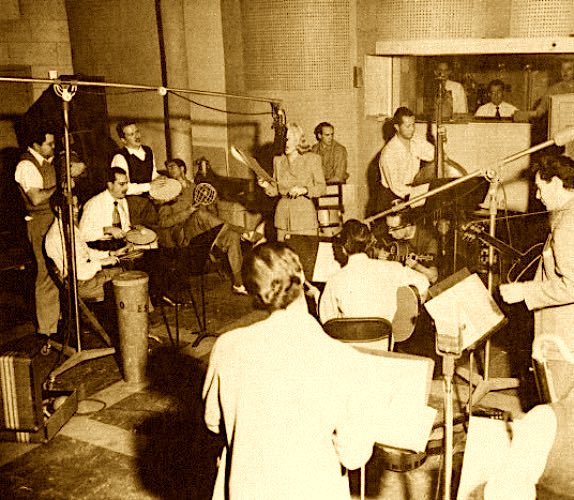
In 1958, the world of music was shifting. The airwaves were crackling with the early energy of rock and roll, and the polished glow of the jukebox was beginning to compete with the raw, rebellious spirit of youth. Yet, in the middle of this sonic transformation, one woman stood apart, turning a song she absolutely despised into a haunting, sultry masterpiece that still echoes through the corridors of time. Peggy Lee was already a star of the silver screen and a jazz powerhouse, but the track Fever would soon become the definitive mark of her legacy. It is a story of artistic defiance and the magic that happens when an icon refuses to follow the crowd.
When Peggy Lee was first presented with the song Fever, she was far from impressed. She famously remarked that she hated it, finding the melody uninspiring and the arrangement lackluster. In an era where orchestral swells and big band production were the standard, the song felt like a hollow shell. Most artists would have discarded it, moving on to the next polished pop hit to satisfy the record label. But Peggy Lee had an intuition that few possessed. She did not hear a failed song; she heard a canvas waiting to be stripped of its clutter. She demanded a complete reinvention, pushing the musicians to strip away everything until only the bare bones remained.
What emerged from the studio was nothing short of revolutionary. By reducing the track to a minimalist heartbeat of a bass line, some haunting finger snaps, and her own breathy, intimate vocal delivery, she created a sound that felt dangerous and incredibly cool. This was not the loud, boisterous rock of the radio; it was a dark, late-night confession delivered in a smoke-filled room. The transformation was so drastic that it stunned the industry. Peggy Lee had effectively turned a discarded tune into a rhythmic seduction, proving that less was not just more—it was everything.
The impact was immediate. Fever climbed the charts, capturing the imagination of a generation transitioning from the post-war calm into a more complex, expressive decade. It became a staple in lounges and on home turntables everywhere, played on the very devices that defined the era. For listeners, Peggy Lee became the voice of sophistication, a woman who commanded the spotlight without ever needing to shout. She proved that artistic control, even when met with initial resistance, could produce something that stood the test of time far better than any focus-grouped hit.
Looking back today, the song remains a masterclass in tension and release. It reminds us of a time when the personality of a performer was the ultimate currency, before the digital polish of modern production took over. Peggy Lee didn’t just sing a song; she breathed life into a cold melody, forever cementing her place as an architect of cool. As we listen to those iconic finger snaps today, we are reminded that sometimes, the greatest art comes from the things we love to hate, provided we have the courage to make them our own.