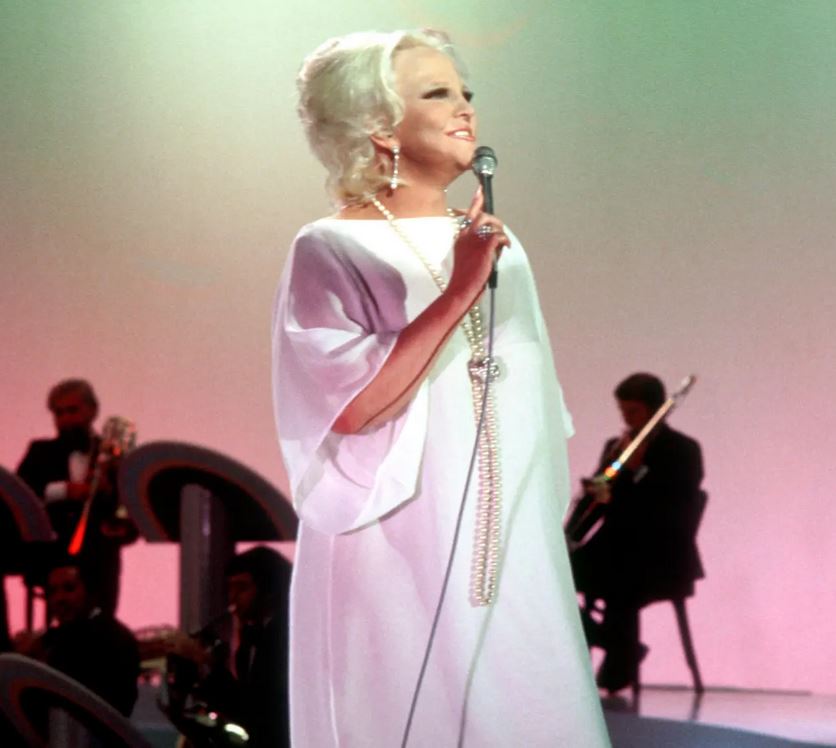
In 1988, the golden age of Hollywood was fading into the neon-soaked era of MTV and synthesizers, yet one woman stood firm against the corporate tide. Peggy Lee, the sultry voice behind countless jazz standards and the iconic Darling, was not just a singer; she was a force of nature. While the world was dancing to pop hits and clutching their Walkmans, Peggy Lee was quietly orchestrating a legal earthquake that would shake the foundations of the entertainment industry forever. Most people assumed that a single legendary artist would be crushed under the weight of a massive studio, but Peggy Lee proved that even the biggest giants could be brought to their knees by the truth.
The conflict centered on the beloved Disney classic, Lady and the Tramp. Peggy Lee had provided the voice for the character Darling and the mischievous cats Si and Am, while also co-writing the film’s haunting soundtrack. When the era of home video arrived, Disney began selling VHS copies of the movie, raking in millions of dollars. However, they failed to account for one crucial detail: the original contract from the 1950s did not grant the studio the right to use her voice or music for the burgeoning home video market. It was a classic tale of corporate oversight clashing with the dignity of an artist, and Peggy Lee refused to be sidelined as an afterthought.
Her courtroom battle became a legend in its own right. Many industry insiders doubted her chances, believing that the legal machine of a juggernaut like Disney was invincible. Yet, Peggy Lee possessed a sharp wit and an unwavering resolve. Throughout the proceedings, she highlighted the immense value of her creative contributions, reminding the world that the magic of film is nothing without the soul of the performer. The trial was not merely about money; it was a crusade for the rights of all artists to control their creative legacies in a rapidly changing technological landscape.
When the verdict finally dropped, it was a stunning victory that sent shockwaves through Hollywood. Peggy Lee won millions in damages, effectively setting a precedent that redefined how performers were compensated for home media releases. This landmark case changed music history forever, ensuring that artists could no longer be easily exploited by the fine print of legacy contracts. The victory solidified Peggy Lee’s reputation as more than just a performer—she was a pioneer for musicians everywhere who found themselves fighting for their seat at the table.
Reflecting on that moment today, it is easy to see why Peggy Lee remains a titan of the American music scene. Whether you remember her from the crackle of a jukebox or the crisp clarity of a remastered record, her voice remains timeless. Her courage in 1988 serves as a poignant reminder that while eras of music change, the fight for artistic integrity remains constant. Whenever we sit back to enjoy a classic film or listen to a timeless jazz standard, we owe a small debt of gratitude to the woman who stood up to a giant and won. The legacy of Peggy Lee is not just in the notes she sang, but in the barriers she broke for the generations of musicians who followed in her footsteps.