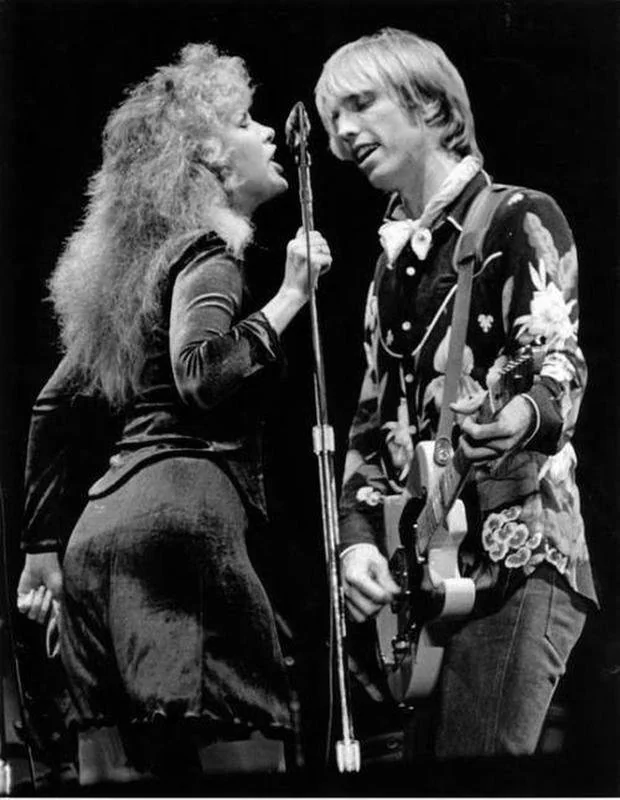
It was 1981, and the airwaves were crackling with the synth-heavy pop of the nascent MTV era, yet in the dimly lit recording studios, a different kind of alchemy was unfolding. Stevie Nicks, the mystical queen of Fleetwood Mac, stood at a crossroads. She was looking for a sound that could ground her ethereal, haunting poetry, and she found it in the raw, electric pulse of Tom Petty and the Heartbreakers. Their collaboration, most famously cemented in the anthem Stop Draggin’ My Heart Around, was not just a hit song; it was a collision of two distinct musical worlds that forever altered the landscape of classic American rock.
To understand the gravity of their bond, one must step back into the gritty, unfiltered atmosphere of the late seventies and early eighties. Tom Petty was the quintessential American rebel, his guitar work echoing the blue-collar spirit of Florida, while Stevie Nicks carried the velvet-draped melancholy of the West Coast. Their chemistry was electric, a fragile tension that shimmered just beneath the surface of the studio monitors. While the world saw two superstars at the peak of their influence, those inside the inner circle witnessed a rare, protective connection—a sanctuary built on shared burdens and the crushing isolation that comes with global fame.
Behind the blinding stadium lights and the whirlwind of touring, the Heartbreakers served as the unseen engine for Stevie Nicks’s creative rebirth. Tom Petty possessed an uncanny ability to strip away the over-produced polish of the era, pushing Stevie to embrace a rawer, more visceral vocal performance. The collaboration wasn’t without its shadows; the toll of the lifestyle, the relentless pace of recording, and the blurred lines between creative passion and personal dependency created a backdrop of intense, high-stakes drama. They were two icons weathering the storms of their own making, finding a brief, resonant peace in the four-minute span of a chorus.
The genius of their partnership lay in its authenticity. Unlike the manufactured duets that cluttered the radio, this was a meeting of spirits. When you listen to their work today, you can hear the ghosts of the era—the clinking of glasses in late-night sessions, the static of a Walkman recording, and the profound, aching reality of two legends testing their limits. Their voices didn’t just harmonize; they engaged in a conversation about longing, resilience, and the cost of the spotlight. It is this human frailty, captured in the crackle of a vinyl record, that keeps their story relevant for every generation that discovers them anew.
Decades later, the legacy of Stevie Nicks and Tom Petty remains a touchstone for rock historians and fans alike. They remind us that the greatest music isn’t born in boardrooms, but in the chaotic, messy, and deeply emotional interplay between kindred souls. As we look back through the lens of time, their story serves as a poignant reminder that behind the legend, there was always just the music—raw, honest, and forever echoing through the ages.