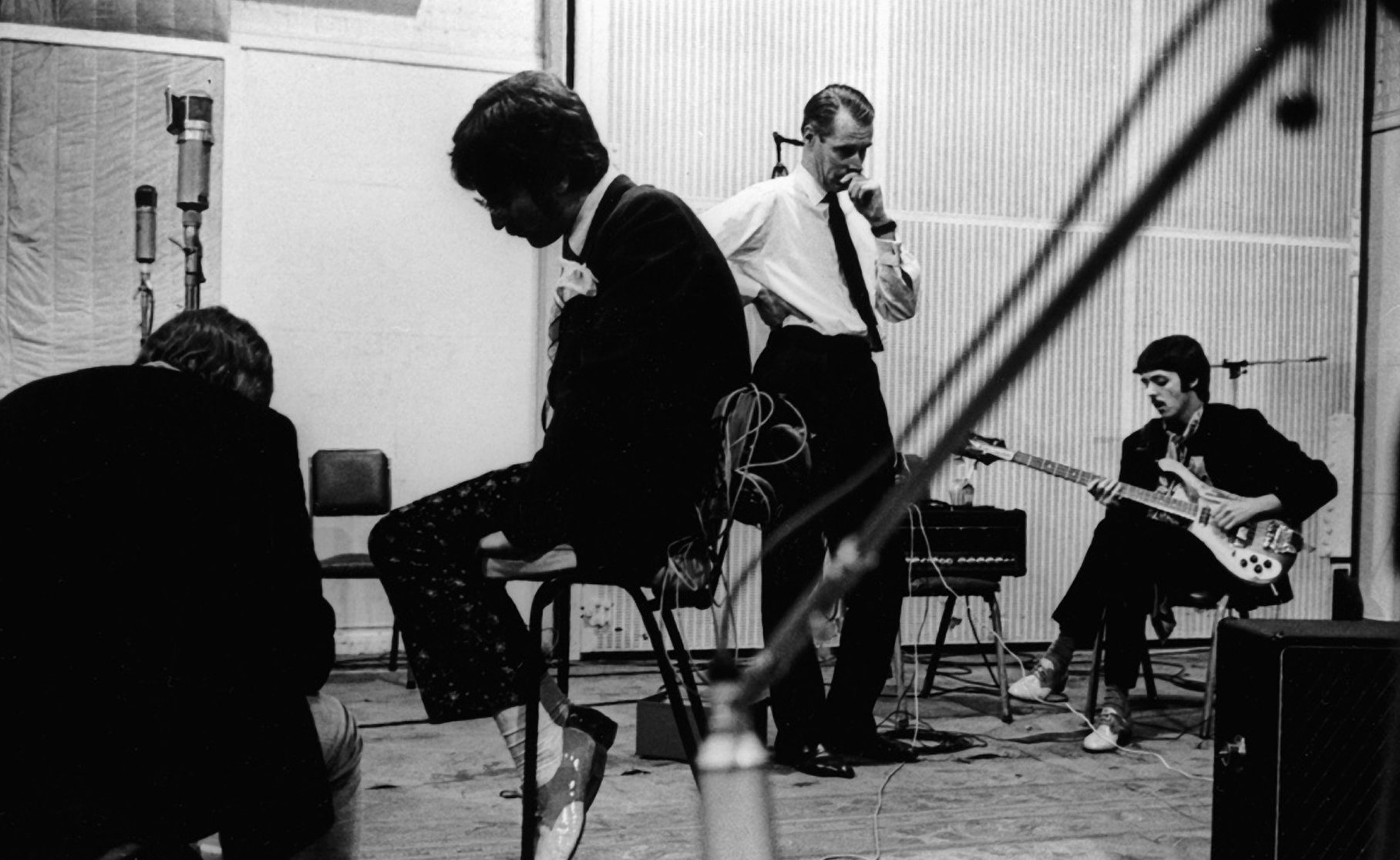
The Beatles are often remembered as four lads from Liverpool who took the world by storm, but the true architect of their sonic revolution remained largely hidden behind the thick soundproof walls of Abbey Road. Before 1962, they were merely a raw, energetic club band with rough edges and unrefined song structures. Then, they met George Martin, a sophisticated EMI producer with a background in classical music and comedy records. He did not just record their songs; he sculpted them. Without his visionary guidance, the transition from simple pop ditties to the complex, avant-garde masterpieces that defined the sixties might have never occurred.
At the time, the music industry was a different beast. Jukeboxes were filled with predictable ballads, and the concept of an artist-producer partnership was still in its infancy. When George Martin first encountered the band, he was unimpressed by their musicianship but captivated by their charm and wit. He took a massive gamble, offering them a contract that would eventually rewrite the history of modern music. He became the fifth Beatle in every sense, acting as a translator for their wilder ideas. He pushed them to try things that were considered musical heresy, such as the string quartet on Yesterday, which forced the band to embrace arrangements that went far beyond the standard guitar-bass-drums setup.
Imagine the atmosphere inside the studio during those sessions. George Martin was the stabilizing force amidst the mounting pressure of worldwide fame. When the band wanted to experiment with tape loops and backward recordings on Revolver or Sgt. Pepper, he was the one who made the physics of the studio bow to their creative whims. He possessed an uncanny ability to balance John Lennon’s cynicism with Paul McCartney’s melodic optimism. Through his ears, the chaotic energy of a live show was distilled into the precise, polished sounds that blasted from every transistor radio across the globe.
His impact went deeper than mere technical proficiency. George Martin brought a level of professional discipline to the sessions that kept the group focused even as their personal lives grew increasingly complex and strained. He treated the studio as an instrument itself, teaching the band that they could create sounds in the recording room that were impossible to replicate on a stage. This shift changed the landscape of the recording industry forever, moving music away from live performance replication and toward the era of the studio as a canvas for artistic exploration.
Even decades later, the influence of George Martin is undeniable. Every producer who views the recording console as a laboratory owes a debt to his pioneering work. When we listen to those iconic tracks today, we are hearing the result of a profound artistic synergy that bridged the gap between raw talent and high art. As the world continues to celebrate the legend of the Fab Four, it is essential to remember the quiet gentleman in the suit who sat behind the glass, meticulously turning their rough sketches into the greatest musical masterpieces ever recorded. His legacy is etched into every groove of the vinyl that still spins on our turntables today.