It was 1985, and the world was staring into the abyss of human suffering through the flickering cathode-ray tubes of our television sets. While the Live Aid concert was intended to be a triumphant display of global unity, one specific moment shifted the tone from celebratory to deeply soul-crushing. As the synthesized, shimmering chords of the 1984 hit Drive by The Cars began to play over a grim, unflinching montage of the famine in Ethiopia, the music instantly transformed. What was once viewed as a catchy synth-pop ballad from the radio became a sonic companion to profound human agony, etching itself into the collective memory of an entire generation.
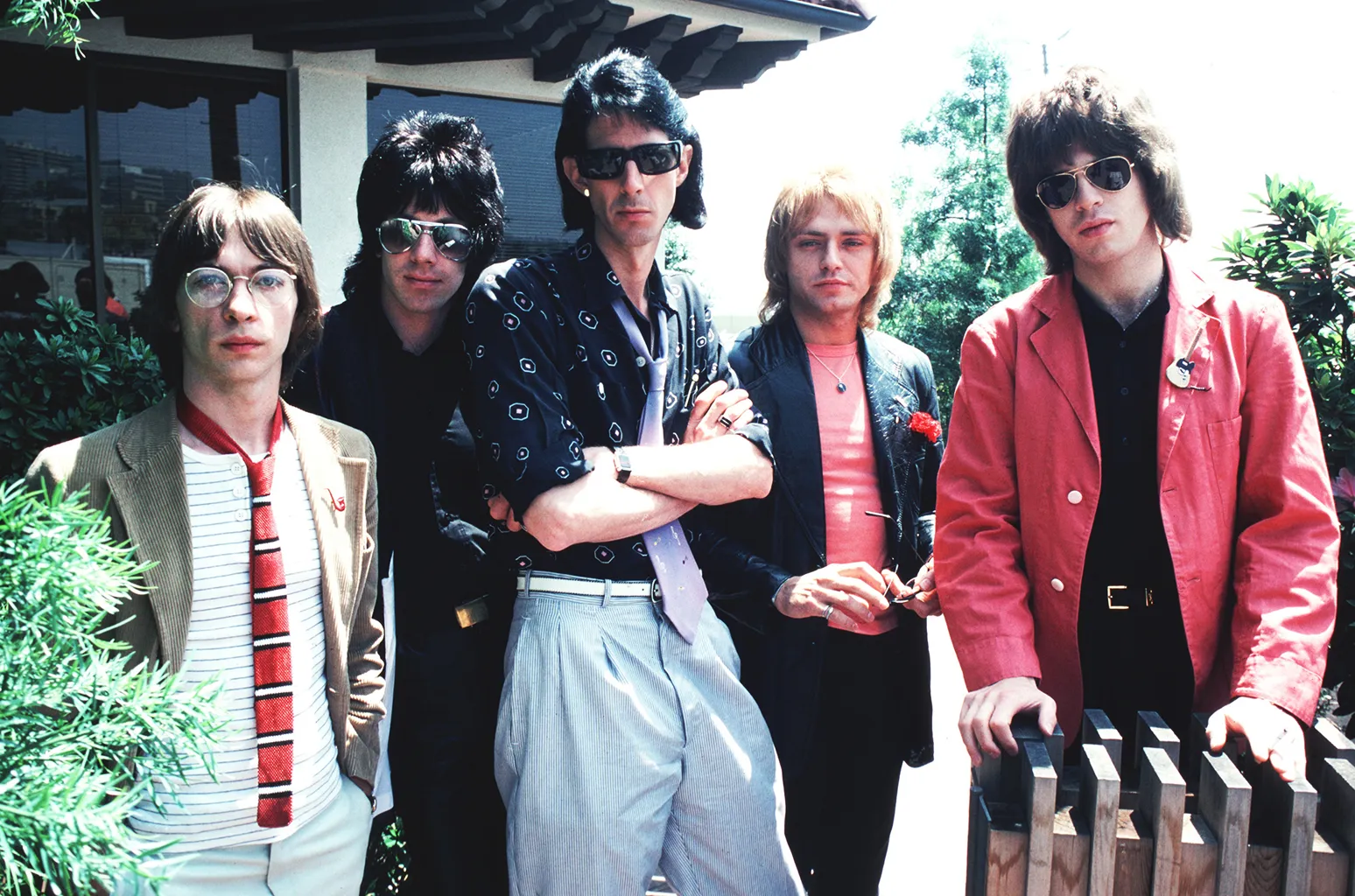
To understand the gravity of that moment, one must look back at The Cars as they were in the early eighties. Led by the enigmatic Ric Ocasek and Benjamin Orr, the band had mastered the art of blending icy, mechanical textures with raw, emotional yearning. Songs like Drive were quintessential products of the MTV era, where production value and aesthetic cool reigned supreme. Yet, beneath the slick synthesizers and the polished studio sheen of the Heartbeat City album, there was always a sense of loneliness. When the producers of Live Aid chose this specific track, they tapped into an unspoken melancholic frequency that Ocasek had captured perfectly, perhaps even accidentally.
Seeing those images of skeletal figures and desolate landscapes set against the crystalline production of The Cars was a sensory collision that few who lived through it can ever forget. It was an era defined by the Walkman and the constant search for the next big sound, but in that flickering blue light of the TV, the music became something more. It was no longer just a top-forty hit meant to sell records; it became a requiem. The song’s refrain, who is gonna drive you home tonight, took on a haunting, double meaning that resonated far beyond the intended lyrics of a romantic breakup.
This specific broadcast moment served as a stark reminder of the fragile bridge between pop culture and reality. For those watching, the shift was visceral. The Cars had suddenly provided the backdrop to a humanitarian catastrophe, forcing the audience to reconcile their love for polished eighties pop with the harsh, brutal realities of a global crisis. It was a cultural pivot point that proved how music can fundamentally alter our perception of an event, turning a stadium anthem into a soundtrack for mourning.
Even today, nearly four decades later, listening to The Cars brings back that specific, heavy feeling of the mid-eighties. We remember the hairspray, the neon lights, and the burgeoning digital age, but we also remember the profound sadness of that Live Aid afternoon. The legacy of The Cars is cemented not just in their chart-topping success, but in that singular, devastating cinematic moment that proved that even the most synthetic pop can possess the heaviest of hearts. Sometimes, a melody is all we have to carry the weight of the world.