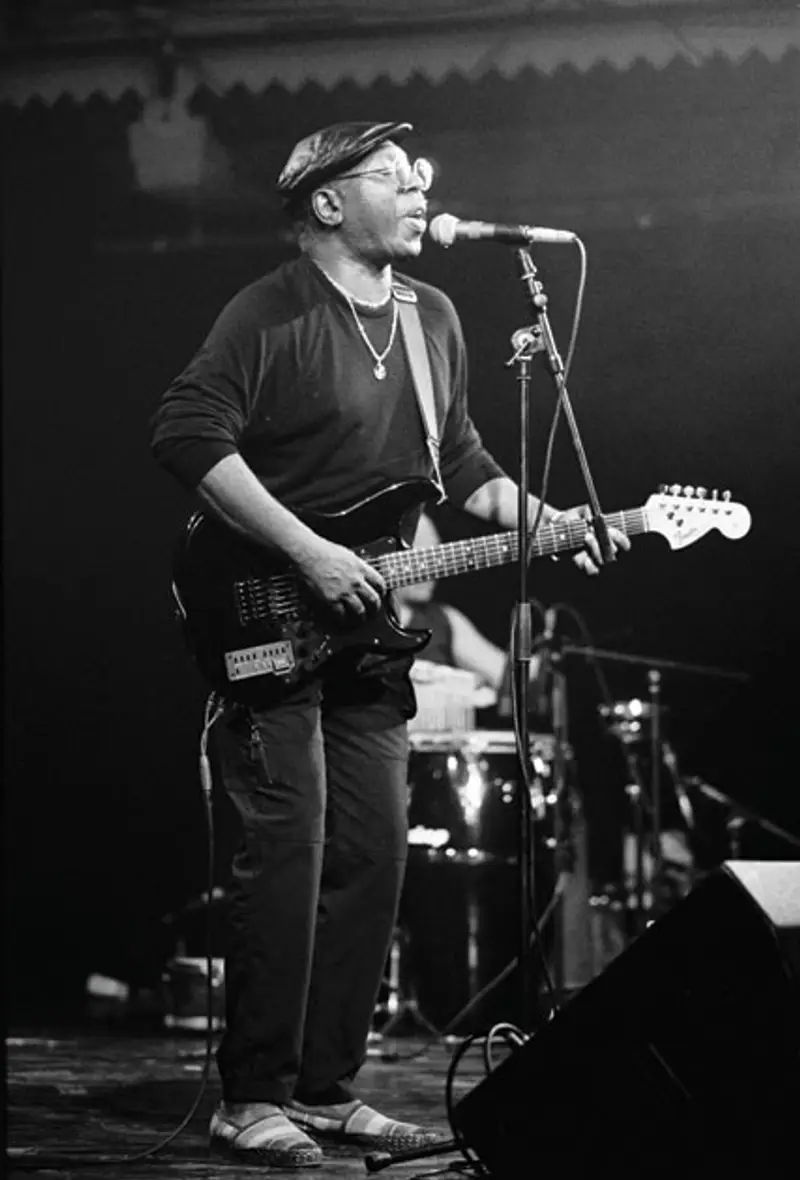
It was August 1990, a time when the world of soul music was already shifting toward the synthetic polish of the MTV era. In the humid heat of New York, a freak accident occurred that would haunt the music industry for decades. During a soundcheck at a concert, a massive stage lighting rig collapsed, pinning the legendary Curtis Mayfield beneath its crushing weight. The icon, known for his velvet voice and anthems of social justice, was left paralyzed from the neck down. To the casual observer, the career of the man who defined the Chicago soul sound seemed to have come to a tragic, silent end. But for Curtis Mayfield, silence was never an option.
While the world expected him to fade into the shadows, Curtis Mayfield summoned a defiance that defied medical explanation. He returned to the studio, not as the energetic performer who had once graced the stage at festivals, but as a man fighting for every breath. Because he could no longer stand or sit upright, the legendary artist had to record his vocals lying flat on his back. Each line of his final masterpiece, New World Order, was recorded one agonizing segment at a time. It was a Herculean effort, a testament to the raw power of the human spirit when anchored by the weight of artistic purpose.
To understand the magnitude of this struggle, one must recall the era Curtis Mayfield dominated. Growing up in the shadow of the civil rights movement, he was the heartbeat of the 1960s and 70s. His guitar riffs were as iconic as the Jukeboxes in dusty diners, and his lyrics served as a beacon of hope during America’s most turbulent chapters. Whether through the smooth grooves of his work with The Impressions or his gritty, cinematic soundtracks like Superfly, Curtis Mayfield transformed the cultural landscape. His music was the soundtrack to a generation, bridging the gap between street-level storytelling and soulful, orchestral arrangements.
Lying in the studio, paralyzed, he wasn’t just recording an album; he was completing a life’s mission. The engineers would record a line, pause, and wait for him to catch his breath before he could whisper the next. Every note was layered with the physical toll of his injury and the immense emotional weight of his legacy. This was not the pristine, digital precision of 90s radio; it was something far more visceral. It was the sound of a man refusing to let his story end in a tragedy, choosing instead to leave his final words etched into history with painful, beautiful clarity.
Today, we look back at the career of Curtis Mayfield not just through the lens of his chart-topping hits, but through the lens of his indomitable will. His final studio sessions stand as a haunting, triumphant reminder that art is not about convenience or perfection, but about the urgency of the soul. As long as his voice echoes through the speakers, his story remains a powerful reminder of resilience. We listen to him now, not just for the melody, but for the courage he found when the lights went out.