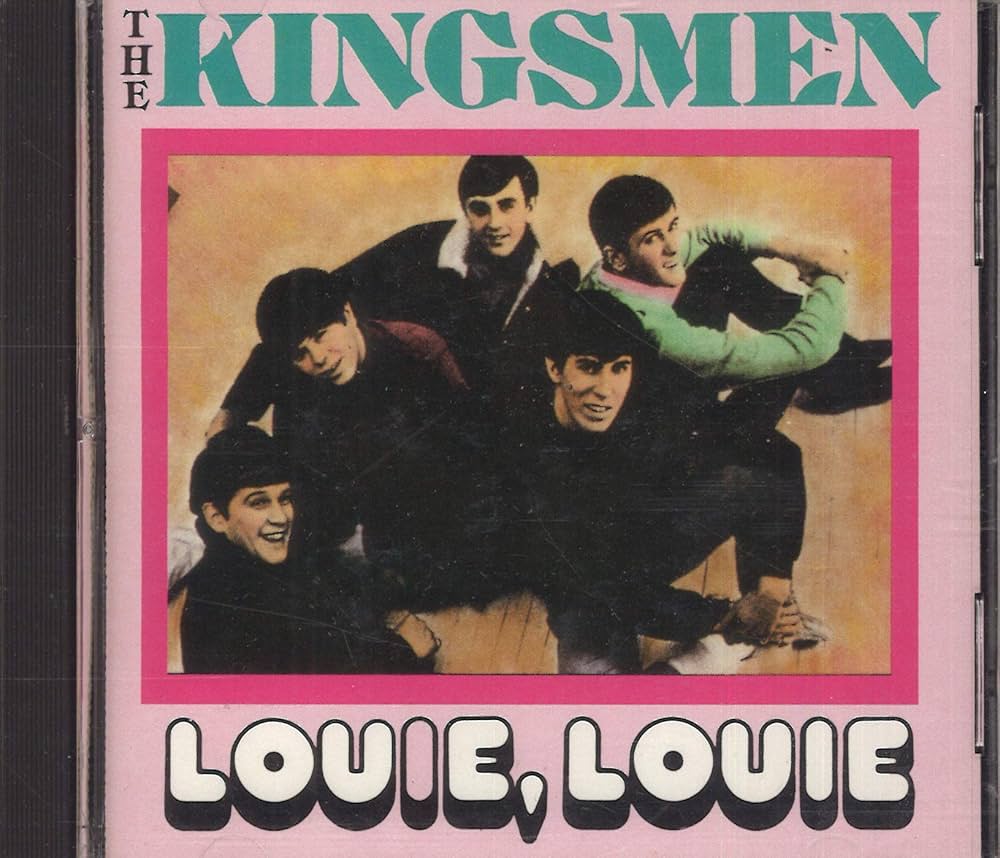
What if a slurred party song could trigger a federal manhunt for obscenity? That improbable headline is the true beginning of the tale behind The Kingsmen’s Louie Louie, a raw, rattling three-chord explosion that turned a garage-band recording into a national controversy and an FBI file that read like a detective novel gone comical.
In late 1963 a working-class group from Portland cut what they thought was a rollicking take on an obscure R&B number. The Kingsmen’s version of Louie Louie was rough around the edges by design: a booming organ, a stuttering backbeat, and a young singer whose vowels blurred into the mix. When the record broke nationally in 1964, it wasn’t just DJs and dance floors that noticed — parents, ministers and civic groups claimed the lyrics were obscene. Calls poured into radio stations. Some stations banned the record outright. The rumor mill declared the song filthy; the truth was stranger.
Rumors metastasized: were sailors swigging rum, were there hidden sexual boasts, was this defiance of decency? The FBI, responding to public uproar and complaints, opened an inquiry that lasted years. Agents listened to tapes and produced transcripts — only to conclude what hip kids already knew and what furious pundits refused to accept: the words were mostly unintelligible. The mystery that had roiled PTA meetings and editorial columns collapsed into a bemused footnote: a garbled vocal, a room full of noise, and a hysteria that said more about American anxieties than about a three-minute pop record.
At the heart of that unintelligibility was Jack Ely’s voice — ragged, urgent, and unusually forceful. His delivery, together with the cramped studio setup and mic placement, made the verses sound like a secret code that nobody could crack. Instead of crediting the genius of miscommunication, much of the press and many alarmists invented obscene conspiracies to explain what they couldn’t hear. Propaganda of prudish panic turned a simple rock’n’roll performance into a cultural Rorschach test.
The scandal propelled The Kingsmen into the spotlight but it also exposed the darker gears of fame. Overnight success brought management fights, lineup changes, and money disputes that would haunt the band for years. The messy afterlife of Louie Louie became another kind of American drama: the cost of unexpected fame, the erosion of friendships, and the leverage of those who claimed credit. For listeners who lived through it, the song was less about the words than about the feeling — that electric, slightly dangerous glee of youth colliding with adult alarm.
Decades on, Louie Louie remains a cultural artifact of contradictions: a stone-cold garage-rock classic and a moral panic talisman. The FBI files — absurd, earnest, and revealing — are a reminder of how seriously institutions take symbolic threats, and how quickly rumor can outpace fact. When The Kingsmen’s Louie Louie blares now through a car radio or a reunion set, it carries the ghosts of that panic and the grin of its original transgression: loud, messy, and beautifully unclear.
Isn’t there something tender about a generation so frightened of a muffled chorus? When you next hear The Kingsmen’s Louie Louie, listen for the slur, the organ, and the laughter under the anger. The story that once made headlines still hums in the chords — an echo of youthful rebellion that never quite got spoken, only shouted and misheard.