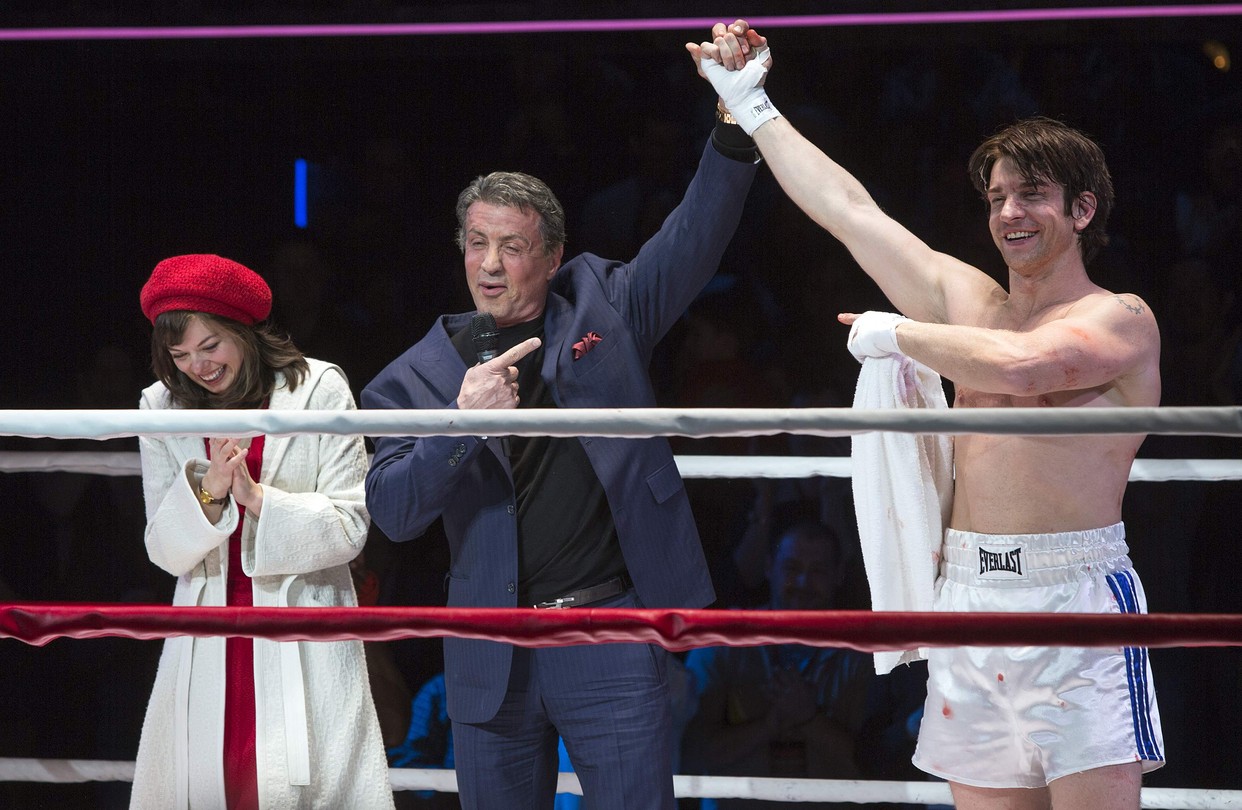
There was a unique, gritty magic to the American cinema of the 1970s. It was an era defined by raw realism and complex characters who fought hard against the odds. In the winter of 1975, a struggling young actor named Sylvester Stallone found himself living this very reality on the cold streets of New York and Los Angeles. With merely a few dollars left to his name, a pregnant wife, and a beloved dog he could barely afford to feed, he represented the quiet desperation of countless dreamers of his generation. Yet, it was during this darkest hour that inspiration struck, leading to a script that would change film history forever.
Inspired by the legendary championship bout between Muhammad Ali and Chuck Wepner, Sylvester Stallone penned the screenplay for Rocky in a feverish three-day burst of creativity. It was a story about a working-class boxer given a million-to-one shot at the heavyweight title. The script was raw, poetic, and filled with a profound sense of hope that resonated deeply with the spirit of the decade. When Stallone began shopping the manuscript around Hollywood, executives immediately recognized its immense potential. They saw a blockbuster in the making, but they did not see the unknown writer as their leading man.
The offers from major studios began to pour in, climbing from tens of thousands to a staggering three hundred and sixty thousand dollars. For a man who was practically broke, this was an unimaginable fortune that could secure his family’s future instantly. However, the offer came with a non-negotiable condition: a famous, established Hollywood star of the era would play Rocky Balboa. Sylvester Stallone faced an agonizing choice. To accept the money meant giving away his soul, but to refuse meant staying in poverty with no guarantee of success. In a legendary display of artistic integrity, he flatly refused to sell unless he starred in the film.
Ultimately, the producers relented, offering a fraction of the original price and a shoestring budget to make the movie with Sylvester Stallone in the titular role. What followed was a cinematic miracle. Released in late 1976, Rocky captured the heart of the world, becoming a monumental box office triumph. By the spring of 1977, the film stood victorious at the Academy Awards, taking home the coveted trophy for Best Picture. The real-life underdog had triumphed, mirroring the very story he had written on those cheap yellow legal pads.
Looking back from our vantage point in 2026, the legacy of Sylvester Stallone and his beloved creation remains as powerful as ever. It reminds us of a time when Hollywood believed in the power of the human spirit and the vision of a single artist. This timeless story of perseverance continues to inspire generations, proving that sometimes, the greatest victories require us to risk everything we have. Do you remember the first time you heard that iconic brass theme play as Rocky ran up those majestic museum steps?