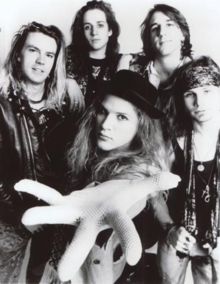
In the damp, gray landscape of late 1980s Seattle, a revolution was brewing in the shadows of the underground. While the world was still dancing to the synthetic pulses of pop, a young, charismatic frontman named Andrew Wood was busy crafting a new sonic religion. He was the golden boy of the scene, a performer with the theatrical flair of Freddie Mercury and the raw, unhinged spirit of a poet. As the driving force behind Mother Love Bone, Andrew Wood seemed destined to lead the grunge movement into the mainstream spotlight. The anticipation for their debut album, Apple, was palpable, a ticking clock that promised to change rock history forever.
But fate, as it often does with the brightest stars, had a cruel plan. Just days before the album was set to hit the shelves and catapult his band to international stardom, the music stopped. In March 1990, Andrew Wood was found unresponsive in his home following a heroin overdose. He died shortly after, leaving behind a heartbroken band, a devastated Seattle scene, and a legacy that was tragically cut short. The news rippled through the community like a shockwave, turning what should have been a moment of triumph into a mourning period that defined the emotional tone for the decade to come.
To understand the gravity of his loss, one must look at the impact he had on his peers. Andrew Wood was the glue that held the Seattle music community together. His influence was so profound that in the wake of his passing, his former roommates and bandmates—including members who would later form Pearl Jam—came together to record a tribute album under the name Temple of the Dog. This spontaneous act of grief gave birth to some of the most hauntingly beautiful songs of the nineties, forever cementing the memory of Andrew Wood as the man who set the stage for giants.
His style was a brilliant defiance of the grit that would later define the grunge aesthetic. While others favored flannel and angst, Andrew Wood draped himself in sequins, glitter, and color, bringing a campy, glam-rock electricity to the dirty basement clubs of the Pacific Northwest. He was a bridge between the excesses of the eighties and the raw, vulnerable soul of the nineties. When you listen to the tracks on Apple today, you can hear a man who was on the verge of inventing a new musical vocabulary, a sound that was at once heavy, melodic, and deeply personal.
We often wonder what might have happened had he survived. Would Mother Love Bone have become the biggest band in the world? Would the trajectory of alternative rock have shifted toward a more vibrant, theatrical direction? These questions remain unanswered, suspended in the amber of 1990. Andrew Wood was more than just a talented musician; he was the first true casualty of a movement that would soon conquer the MTV generation. Today, he remains a poignant reminder of the fragility of genius and the thin line between immortality and the quiet silence of a life unlived.