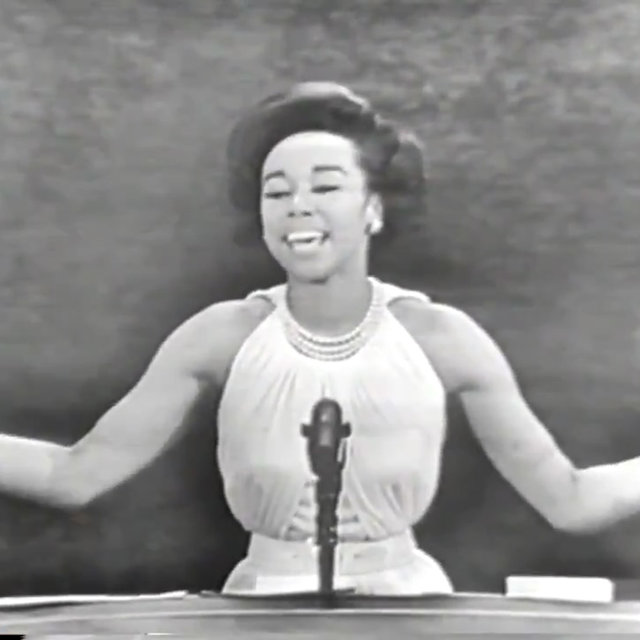
In 1968, the glow of the television set was the modern fireplace around which families gathered, yet the flickering images rarely mirrored the vibrant reality of the American experience. At the peak of her career, Diahann Carroll was the epitome of sophistication. A refined nightclub singer with a voice that could silence the chatter of a smoke-filled lounge, she was a fixture of elegance in an era defined by the crackle of vinyl records and the pulse of the jukebox. But beneath the glamorous facade of her professional life, Diahann Carroll was restless. She stood on the precipice of a decision that would either cement her status as a pampered performer or ignite a cultural firestorm that would redefine the medium of television forever.
She risked her entire reputation to take on the titular role in the show Julia, becoming the first Black woman to star in a non-stereotypical television series. At the time, this was a radical, almost dangerous departure from the status quo. Networks were hesitant, advertisers were skittish, and the cultural landscape was deeply divided. While the rest of the world was dancing to the sounds of Motown or contemplating the psychedelic shifts of the late sixties, Diahann Carroll stepped into the spotlight of NBC, carrying the weight of a generation’s expectations on her slender shoulders. She wasn’t just playing a nurse; she was dismantling the narrow, restrictive archetypes that had kept Black characters in the shadows for decades.
The drama behind the scenes was as intense as any script. Diahann Carroll faced immense pressure, navigating a gauntlet of critics who questioned whether the audience was ready for a Black lead in a primetime sitcom. She was a woman of high fashion and refined poise, traits that some activists criticized as being too sanitized for the turbulent reality of the civil rights movement, yet she persisted. She understood that visibility was a form of progress. Every time she walked into a scene, she wasn’t just performing; she was forcing a national conversation about race, aspiration, and the humanity of a community often ignored by the small screen.
Looking back from the vantage point of today, it is easy to forget how jarring her presence was to the 1968 status quo. Diahann Carroll transformed the living room into a space of potential change. She proved that style and substance could coexist, and that a nightclub singer could hold the moral compass of a nation. The success of the show, despite its limitations, opened doors that would eventually lead to the diversity we expect in modern media. Her legacy is not just in the records she cut or the songs she sang, but in the quiet, dignified defiance she displayed in front of millions.
The music of the sixties was revolutionary, but Diahann Carroll made her own kind of noise—one that echoed far beyond the charts. Her journey reminds us that true influence often requires stepping away from the safety of the stage to challenge the world as it exists. As we look back at the golden age of television, we see her, still poised, still groundbreaking, and forever a pioneer who dared to change the narrative.