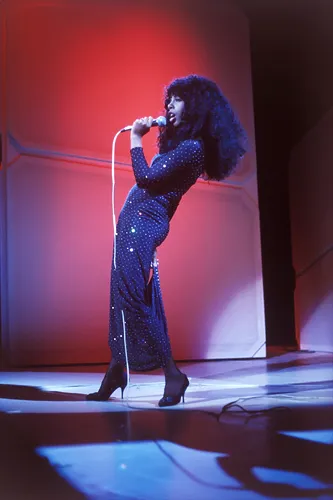
It began as a rhythmic pulse in a dimly lit Munich studio, but it ended as a cultural firestorm that would redefine the boundaries of pop music forever. In 1975, Donna Summer was not yet the undisputed Queen of Disco, but with the release of the seventeen-minute epic Love to Love You Baby, she became something else entirely. The track was a hypnotic, relentless exploration of desire, punctuated by twenty-two simulated orgasms that were so explicit, they sent a seismic shock through the buttoned-up moral fabric of the mid-seventies. It was a bold, experimental move that transformed Donna Summer from an aspiring singer into an overnight international scandal.
The world was a different place in the era of the Jukebox and the burgeoning influence of Studio 54. When the song hit the airwaves, the backlash was swift and unforgiving. The BBC famously banned the track, fearing it was too erotic for the public to handle. Critics scrambled to label Donna Summer as a sex goddess, a sultry siren of the dance floor whose artistic merit was being overshadowed by the sheer audacity of her performance. Yet, the song was more than just a provocation; it was a masterclass in production, crafted alongside the legendary Giorgio Moroder. The heavy, synthesized basslines became the blueprint for the disco era, cementing Donna Summer as the voice of a decade defined by glitter, excess, and liberation.
For Donna Summer, however, the fallout was deeply personal and incredibly exhausting. While the song catapulted her to the top of the charts, the label of a sex icon felt like a gilded cage. For years afterward, she found herself constantly fighting against the public persona that the media had constructed around those seventeen minutes of breathless audio. She was a deeply spiritual woman, often at odds with the sensual image that had been projected onto her by record executives and shocked radio hosts. The irony was that the very song that made her a household name also forced her into a decades-long struggle to be recognized for her true vocal range and creative vision.
Looking back, it is impossible to ignore how this single moment changed the trajectory of pop culture. The hysteria surrounding the song served as a mirror for the era, reflecting the tension between the conservative remnants of the early seventies and the burgeoning sexual revolution. Donna Summer remained the eye of the storm, navigating the pressure of constant media scrutiny and the dark, often isolating reality of global superstardom. She navigated the spotlight with a grace that masked the immense toll of being a pioneer in an industry that preferred its female stars to be compliant.
Today, the legacy of Donna Summer goes far beyond the initial shock of her most controversial hit. Her voice, rich with emotion and technical precision, remains the heartbeat of the disco revolution. She was not just a symbol of the dance floor, but a resilient artist who reclaimed her narrative long after the smoke cleared. Whenever we hear that iconic, rhythmic sigh, we are reminded of the power of a woman who dared to challenge the status quo, forever altering the sound of the world. Her story remains a testament to the fact that while fame is fleeting, true musical revolution echoes through the generations, proving that the Queen of Disco always had the final say.