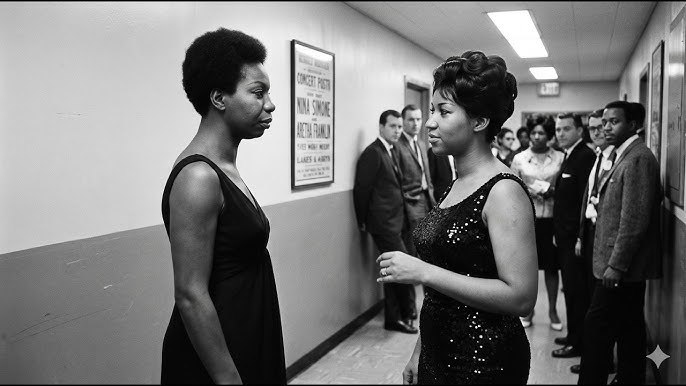
In 1967, the world of music was still a boys’ club. Most radio waves were dominated by male voices singing about women as if they were mere decorations in a man’s life. Otis Redding had written and performed a song called Respect, a gritty plea from a man asking his woman to bring him home some money and show him some love after he had been working all day. It was a catchy tune, but in the hands of the Queen of Soul, Aretha Franklin, it transformed from a man’s request into a declaration of independence that would echo through the decades.
When Aretha Franklin walked into the Atlantic Records studio, she wasn’t just looking for another hit. She was looking for a voice. She took Redding’s original composition and stripped it bare, rearranging the rhythm and demanding a new kind of energy. With the help of her sisters, Carolyn and Erma, who provided the iconic backing vocals, she turned the song into a structural masterpiece. The spelling of the word—R-E-S-P-E-C-T—wasn’t just a gimmick; it was a rhythmic demand for recognition that had been long overdue in the mid-sixties.
The air in the studio was thick with the scent of cigarettes and the hum of analog tape machines. As the track came together, those present knew they were witnessing something profound. Before this moment, Aretha Franklin had been searching for her true identity as an artist after years of moderate success. This song became her vehicle. It arrived at the perfect cultural juncture, just as the Civil Rights Movement was gaining intensity and the second-wave feminist movement was beginning to challenge traditional gender roles. It was a time of transformation, fueled by the crackle of vinyl on a turntable and the rebellious spirit of a generation refusing to settle.
What made the performance so iconic was the sheer authority Aretha Franklin commanded. When she sang, she wasn’t just performing; she was reclaiming power. The song became an anthem for everyone who had been silenced. It wasn’t about a man needing his dinner on the table anymore; it was about every individual’s fundamental right to dignity and human decency. The song resonated in the crowded living rooms of the suburbs and the gritty streets of the inner cities alike, playing on every jukebox from Memphis to Detroit.
Decades later, the legacy of Aretha Franklin and her bold reinterpretation remains untouched. It serves as a reminder that music is never just about melody and rhythm. The songs we cherish are the ones that capture the raw tension of their time and turn it into something eternal. Whether you hear it on a scratchy record or through modern streaming, the message remains as sharp as it was in 1967. Next time you listen to those opening notes, take a moment to appreciate the woman who changed the conversation forever, proving that sometimes, all it takes is one voice to demand the respect we all deserve.