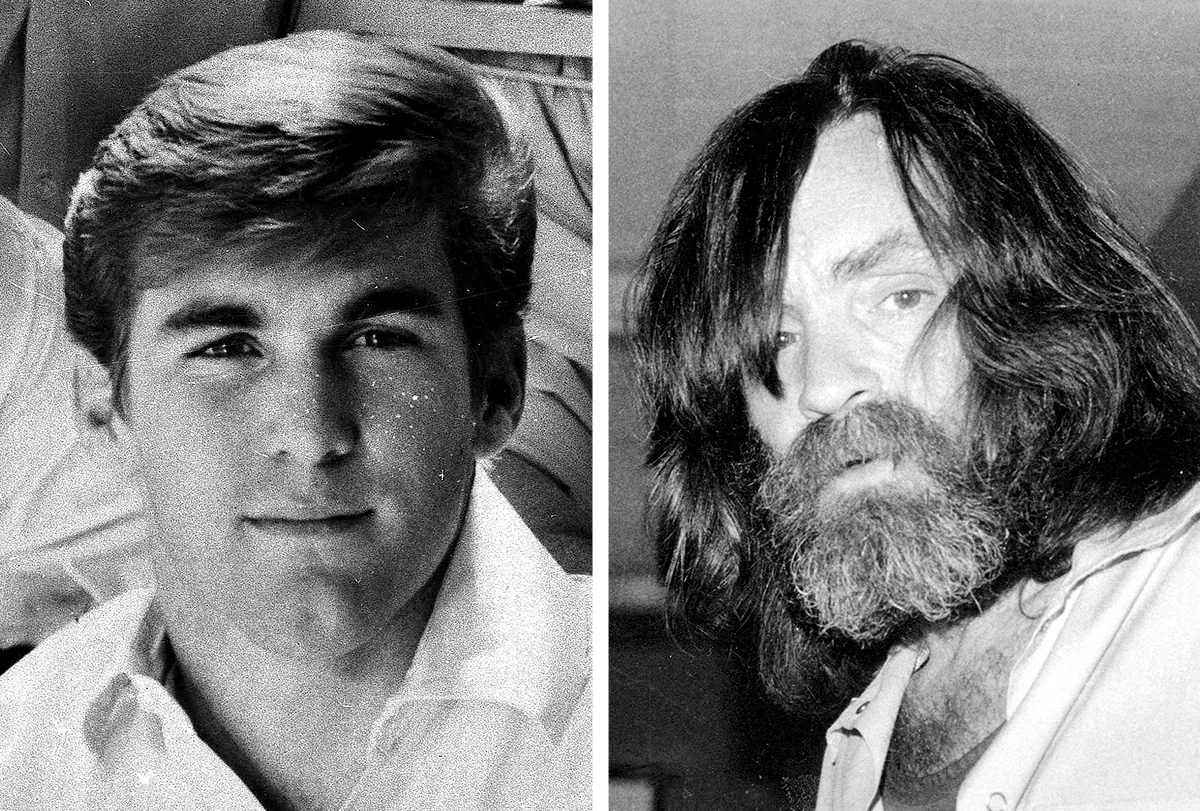
The golden age of California rock was supposed to be about sunshine, surfboards, and the sweet harmonies of The Beach Boys. But behind the shimmering veneer of the 1960s, a chilling shadow was creeping toward the heart of the music scene. It all began with a casual act of kindness that turned into a harrowing piece of rock history. In 1968, Dennis Wilson, the restless drummer of The Beach Boys, picked up two female hitchhikers on a Pacific Coast Highway. He did not know then that this impulsive gesture would lead him directly into the orbit of one of history’s most dangerous figures: Charles Manson.
Dennis Wilson was living the quintessential rock star life, complete with lavish parties and a rotating door of houseguests at his Sunset Boulevard mansion. When the hitchhikers eventually invited their leader to the residence, Dennis Wilson found himself strangely drawn to the charismatic, albeit erratic, cult leader. Charles Manson was a failed musician himself, and the prospect of recording in a professional studio with a Beach Boy was the ultimate validation he craved. For a brief, terrifying moment, the pristine world of American pop collided with the apocalyptic ambitions of the Manson Family.
It is difficult to fathom today, but Charles Manson actually recorded tracks in the same studios where the legendary ‘Pet Sounds’ was conceived. Dennis Wilson, fueled by his own hedonistic lifestyle, seemed oblivious to the encroaching darkness. He even helped Manson record demos and reportedly covered his massive bills for alcohol and incidentals. The collaboration went as far as The Beach Boys recording a version of a Manson song titled ‘Cease to Exist,’ which they renamed ‘Never Learn Not to Love’ for the B-side of a single. It stands as a haunting relic of a time when the boundaries of the counterculture were dangerously blurred.
As the months passed, the atmosphere at the Wilson home grew toxic. Dennis Wilson eventually realized the magnitude of his mistake when he began to fear for his own life. The cult leader’s obsession with fame and his erratic outbursts became impossible to ignore. Dennis Wilson finally packed his belongings and moved out, effectively abandoning his own home to escape the predator he had unwittingly invited into his inner circle. When the gruesome Tate-LaBianca murders shocked the world in 1969, the connection between the drummer and the cult leader became a permanent, disturbing footnote in the annals of music history.
Looking back, this saga serves as a somber reminder of the dark underbelly of the 1960s. While the era is often romanticized through the lens of Woodstock and the flower power movement, the encounter between Dennis Wilson and Charles Manson reveals the vulnerability that defined the rock elite. It remains a cautionary tale about the high price of fame and the dangerous strangers that lurk on the periphery of our lives. Even decades later, the story reminds us that not every melody in the golden age of rock ended in harmony.