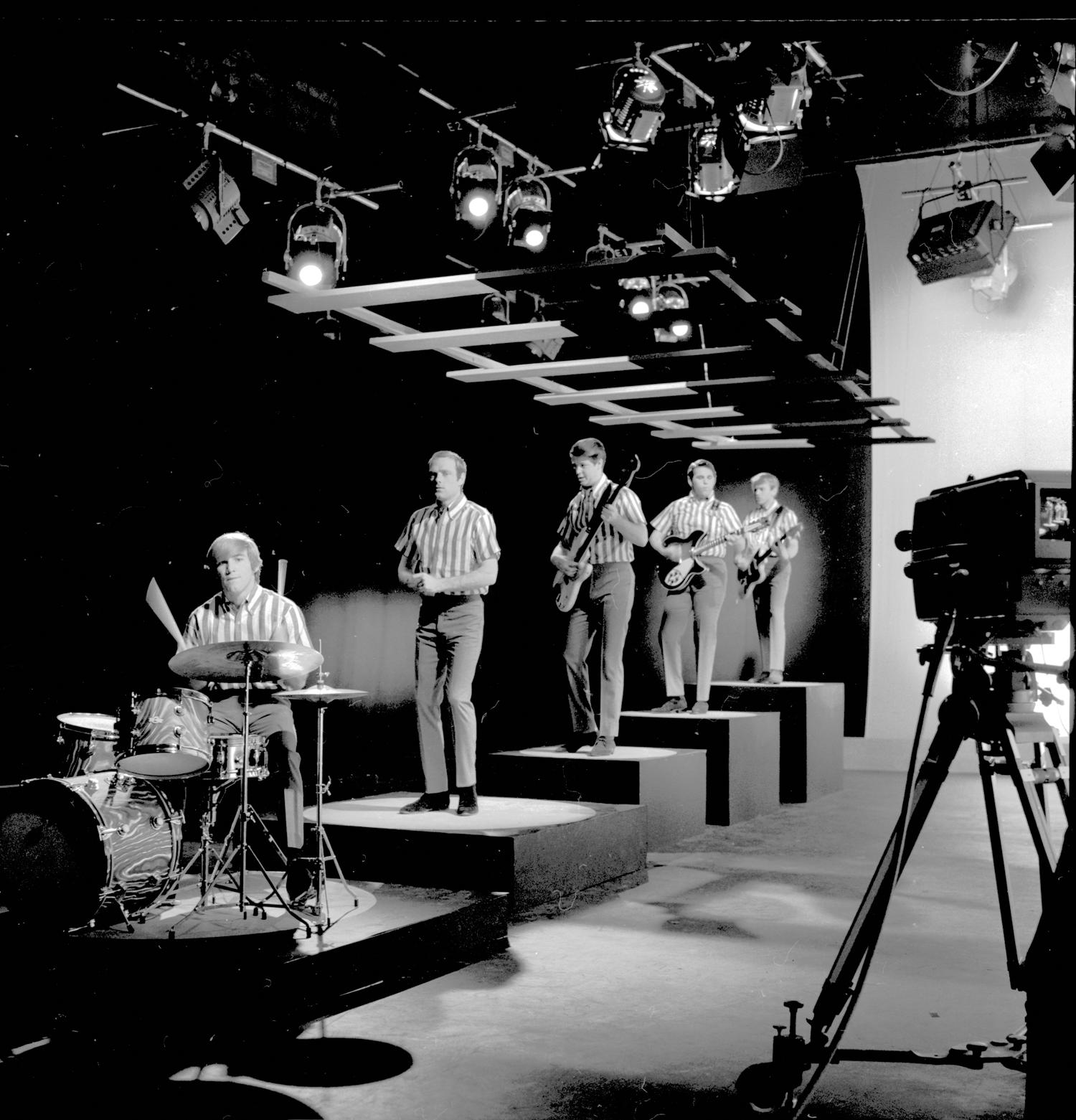
In the sweltering heat of a 1966 recording studio, the world was expecting another upbeat surf-rock anthem from The Beach Boys. They had become the quintessential symbol of California sunshine, blonde hair, and fast cars. Yet, as the tape rolled on the sessions for the album Pet Sounds, something far more haunting was manifesting. Brian Wilson, the mastermind behind the band, was pushing the boundaries of what a pop song could be. He wasn’t just chasing the charts; he was chasing the sound of his own fractured psyche. What emerged was not merely a song, but a sonic revolution that left critics and fans stunned.
At the time, the release was met with confusion. The public wanted more songs about surfing and high school crushes, but The Beach Boys were spiraling into a deep, symphonic exploration of complex emotions. The track in question, God Only Knows, was an anomaly. It featured French horns, sleigh bells, and vocal harmonies so intricate they seemed to float outside the constraints of traditional music. It was dismissed by some as a pretentiously slow departure from their classic sound, yet it contained a raw vulnerability that would eventually cement its place in history as one of the most perfect records ever crafted.
Behind the curtain of the band’s squeaky-clean image, the reality was a stormy sea of drama. The Beach Boys were not just a group of brothers and friends; they were a pressurized vessel of conflicting visions. Brian Wilson, isolated by his own genius and struggling with the relentless pressure of fame, pushed his bandmates to the brink. The tension within the studio was palpable. While the world saw the coordinated stripes and smiles, the internal friction was carving out a darker, more artistic path for the group. It was a transition from the lighthearted Jukebox era into the complex maturity of mid-sixties rock.
This era was defined by rapid change. The cultural landscape was shifting from the innocence of early rock into the psychedelic experiments that would soon dominate the airwaves. The Beach Boys were caught in the middle, trying to reconcile their past with a future they were inventing in real-time. The sheer technical demand of the recording sessions often led to exhaustion, tears, and shouting matches that would have broken lesser bands. Yet, they persevered, crafting layers of sound that required absolute precision, a far cry from the amateurish garage-band roots they had started with.
Today, the legacy of this masterpiece remains untarnished. It resonates because it captured a moment of profound human fragility wrapped in an impossible arrangement. We look back at The Beach Boys not just for their beach anthems, but for their ability to transcend pop culture and touch the ethereal. Even now, listening to those haunting, layered vocals, one can almost smell the ozone and the California twilight. It stands as a reminder that the best art is often born from the deepest, most difficult struggles. Next time you hear those opening chords, remember the ghosts in the machine that made it possible.