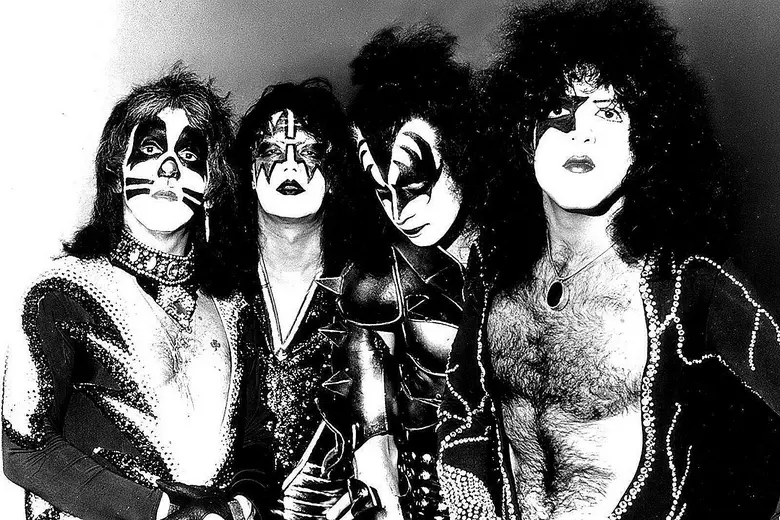
The year was 1976. The air in America was thick with the scent of hairspray, gasoline, and the impending decadence of the disco era. In the world of rock and roll, KISS was a juggernaut of pyrotechnics and greasepaint, a band built on the foundation of loud, brash, comic-book anthems. Yet, behind the scenes, the polished armor of the Demon, the Starchild, the Spaceman, and the Catman was beginning to crack. The catalyst for this fracture was an unlikely, heart-wrenching ballad that would paradoxically become the band’s biggest commercial triumph: Beth. While the fans were singing along to the emotional vulnerability of the song, the band members were locked in a boardroom war that would permanently alter the destiny of the group.
At the center of this storm was the legendary producer Bob Ezrin. Having worked with Alice Cooper to create theatrical rock masterpieces, Ezrin brought a level of sophisticated production to the KISS camp that they had never experienced. When he insisted on including a ballad sung by the drummer Peter Criss, he wasn’t just suggesting a musical shift; he was challenging the established hierarchy of the group. The other members saw the song as a departure from the hard-hitting rock image they had painstakingly cultivated. The studio became a pressure cooker of resentment, with Bob Ezrin acting as both the visionary genius and the unwitting architect of a deep, festering divide that would haunt the band for years to come.
For Peter Criss, the success of the track was a double-edged sword. It proved his vocal prowess and softened the band’s jagged edges, allowing them to conquer the airwaves of the mid-seventies, but it also painted a target on his back. As Beth climbed the charts, the professional jealousy and creative friction grew unbearable. The band’s internal dynamics shifted from a collaborative brotherhood into a fractured ecosystem of competing egos. The sessions were marked by long hours of silence, icy stares, and the constant, nagging presence of Bob Ezrin, who stood by his decision to highlight the Catman’s emotive, rasping vocal style.
Looking back, it is easy to see why this story still resonates with fans today. It was a moment where the gritty, unpredictable nature of human emotion collided with the industrial machine of 1970s rock music. It wasn’t just about a chart-topping hit; it was about the crushing weight of fame and the fear of losing one’s identity in the name of progress. The tension created by the track serves as a poignant reminder that even the most iconic bands were built on human fragility.
Whether you were listening to it on a flickering Walkman or watching them live in a smoke-filled arena, Beth remains a bittersweet artifact of a bygone era. It stands as a testament to the fact that sometimes, the music that brings us the most joy is born from the deepest personal sorrow. Next time you hear those iconic opening piano chords, remember the ghosts in the studio and the delicate, dangerous balance that defined the golden age of American rock.