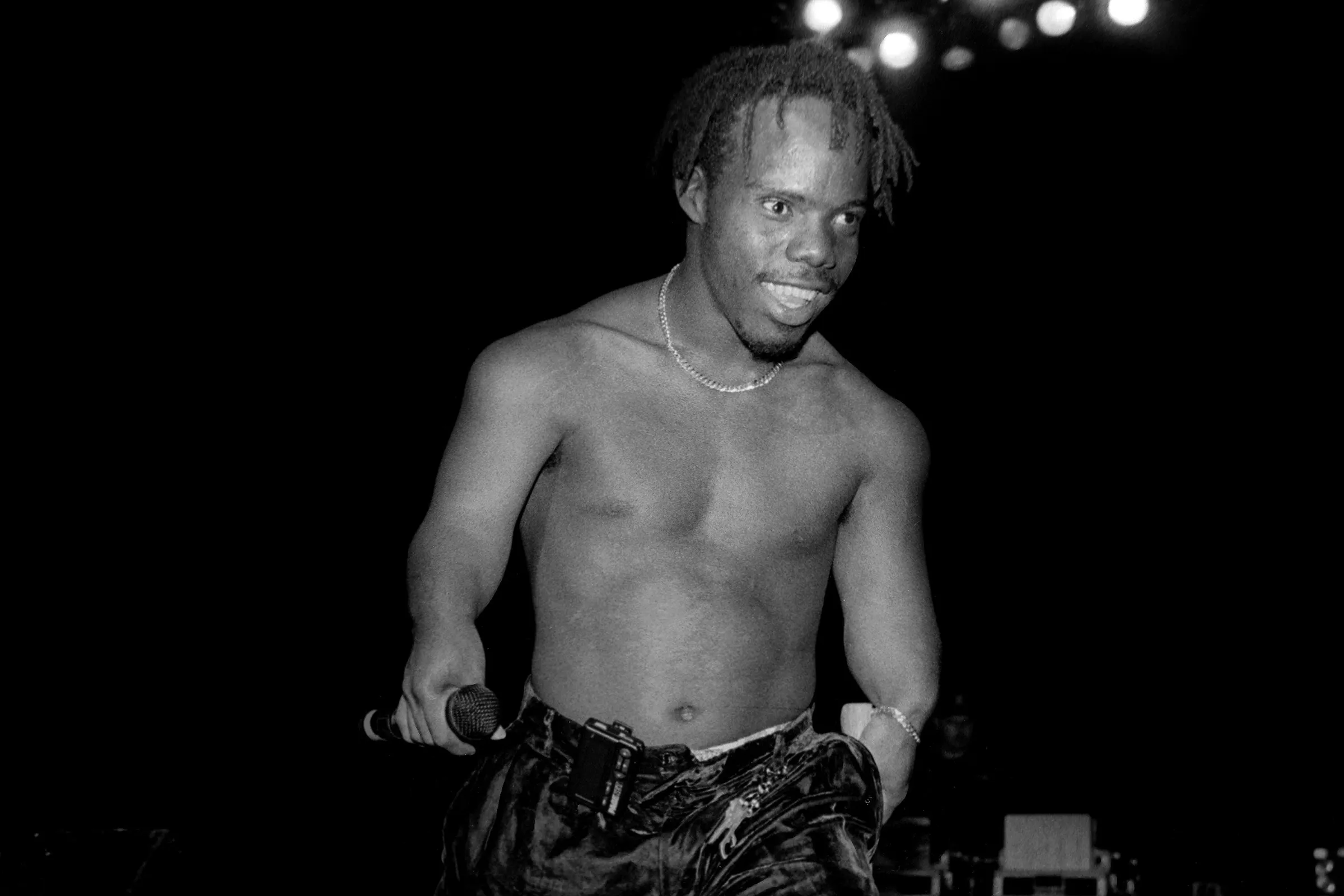
In the golden era of hip-hop, album covers were meant to be bold, flashy, and aspirational. Yet, in 1991, one image shattered the polished aesthetic of the industry, leaving an indelible mark on the psyche of music fans. It was not a staged photoshoot on a Malibu beach or a glossy studio portrait. Instead, it was a photograph taken from a hospital bed, capturing a man who had stared into the void and returned to tell the tale. This was the raw, haunting cover of the Geto Boys album We Can’t Be Stopped, featuring the group’s member, Bushwick Bill, bandaged and bloodied, looking directly into the camera with an intensity that forced the world to confront the brutal reality of life in the streets.
To understand the shockwave this image sent through the culture, one must remember the landscape of the early 90s. Music was shifting from the disco remnants of the 80s into the gritty, unfiltered narrative of reality rap. The Geto Boys, hailing from the humid heat of Houston, were pioneers of this transition. When Bushwick Bill was shot in the eye during a domestic altercation involving a gun, he didn’t retreat from the spotlight. In an act of defiance that blurred the lines between performance art and genuine tragedy, his bandmates sneaked a camera into the hospital. They captured the immediate aftermath of his survival, presenting the scars of his trauma to the public as the definitive symbol of their album.
This decision was met with immediate, visceral backlash from record labels and retailers who were terrified of the image’s uncompromising nature. It was a stark departure from the safety of MTV-friendly pop visuals. However, for those who lived through the era, the image of Bushwick Bill resonated because it felt authentic in an age that was rapidly becoming commodified. It wasn’t just a gimmick; it was a testament to the survival instinct that defined the Geto Boys. The image effectively captured the dangerous intersection of fame, violence, and the desperate need to keep one’s story alive.
Looking back from a distance of over thirty years, the legacy of Bushwick Bill and that infamous hospital photograph remains a pivotal moment in hip-hop history. It forced the industry to acknowledge that the artists were living the same volatile lives they described in their lyrics. The image became a cultural touchstone, often cited in discussions about how hip-hop transitioned from local storytelling to a major global movement that demanded to be seen and heard, regardless of how uncomfortable the truth might be.
Today, the memory of Bushwick Bill serves as a haunting reminder of the grit that built the foundations of modern music. While genres and trends have shifted, the raw human emotion captured in that frame remains timeless. It serves as a bridge to a time when artists were willing to put everything on the line, even their own physical vulnerability, to ensure their truth was documented. We invite you to revisit the music of the Geto Boys and reflect on the artist who looked into the lens of history and refused to blink.